
We began our safari with Visit Wilpattu in Wilpattu National Park. It immediately felt peaceful compared with busier parks such as Yala. There were far fewer jeeps around during our visit.
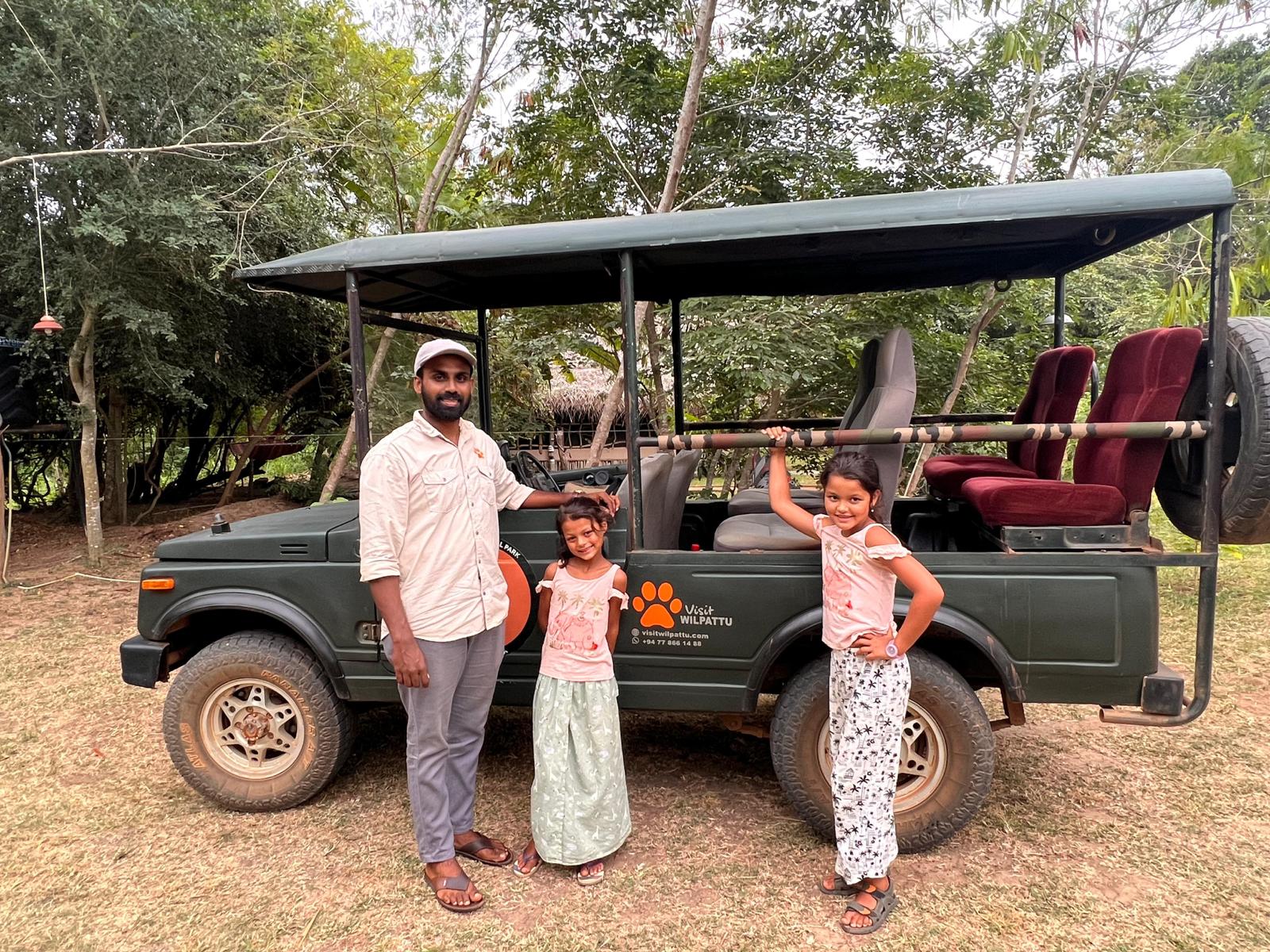
Our guide Bhashi, from visitwilpattu.com, had a particularly good jeep for travelling with children. It was a compact, customised vehicle without a barrier between driver and passengers, making it easy to speak quietly or point out wildlife. The four-passenger jeep was well suited to the park’s tracks.
Bhashi knew the park extremely well. Soon after entering, he spotted deer and explained the different species and how their antlers developed.
Naturally, we hoped to see Sri Lanka’s land-based big five:
Leopards
Sloth bears
Elephants
Buffalo
Crocodiles.
Sri Lanka’s wider big-five list also includes:
Leopards
Sloth bears
Elephants
Blue whales
Sperm whales
Although Wilpattu is known for leopards, seeing one is never certain. A sign at the entrance put it humorously: ‘You probably will not see me, but do not be disappointed. I saw you.’
At around 06.30, Bhashi drove us towards an area where he had seen leopards in previous days. After a challenging fifteen-kilometre drive, we saw a mother and cub on the road. A second cub remained hidden in the bushes.
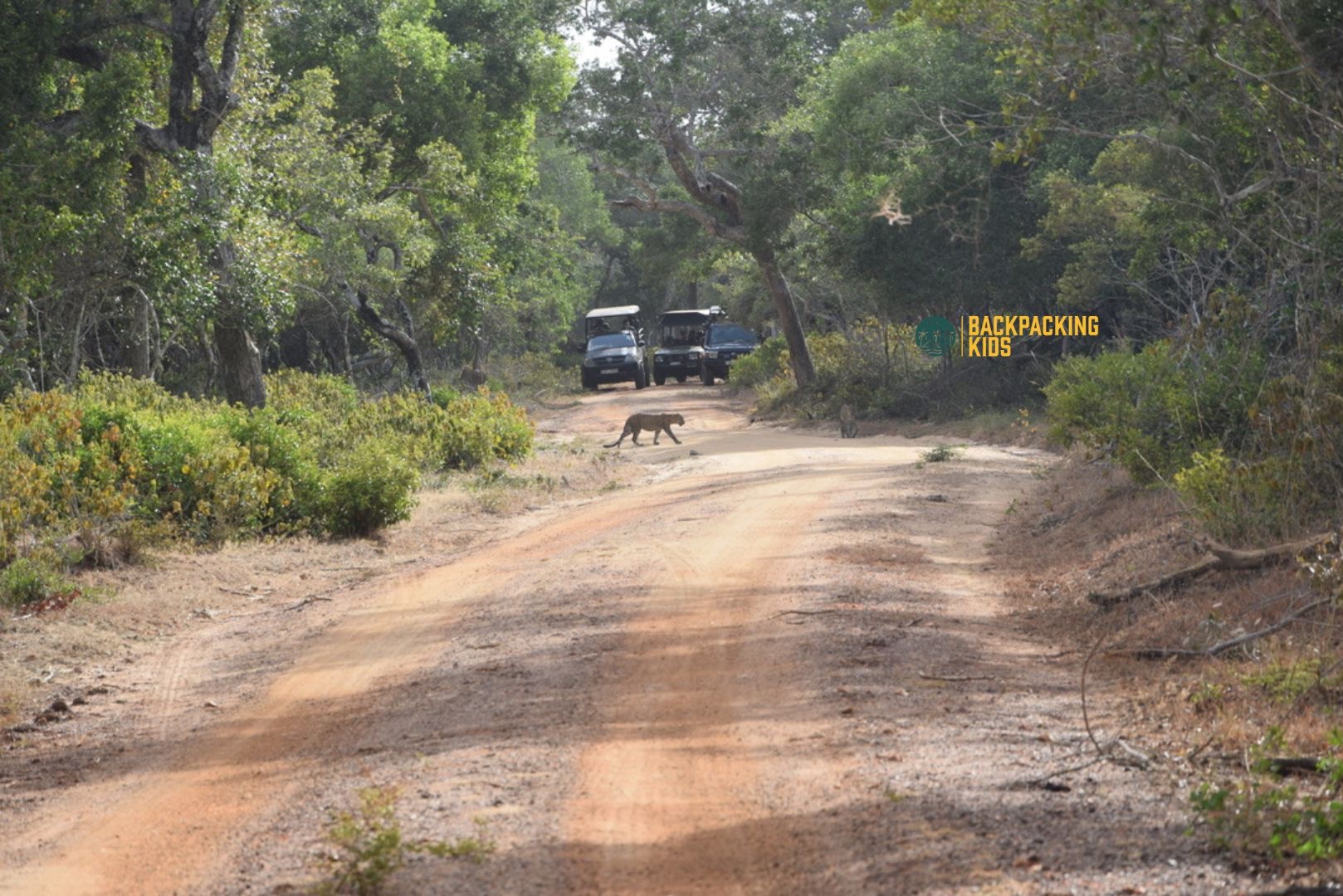
Four other jeeps soon arrived, but kept their distance without chasing or disturbing the leopards. When the animals disappeared into vegetation, Bhashi thought they would cross the road towards a waterhole. He carefully signalled another jeep to stop, leaving around five hundred metres of clear road for them.
We waited twenty minutes without seeing them again, but heard one roar. An impressive moment.
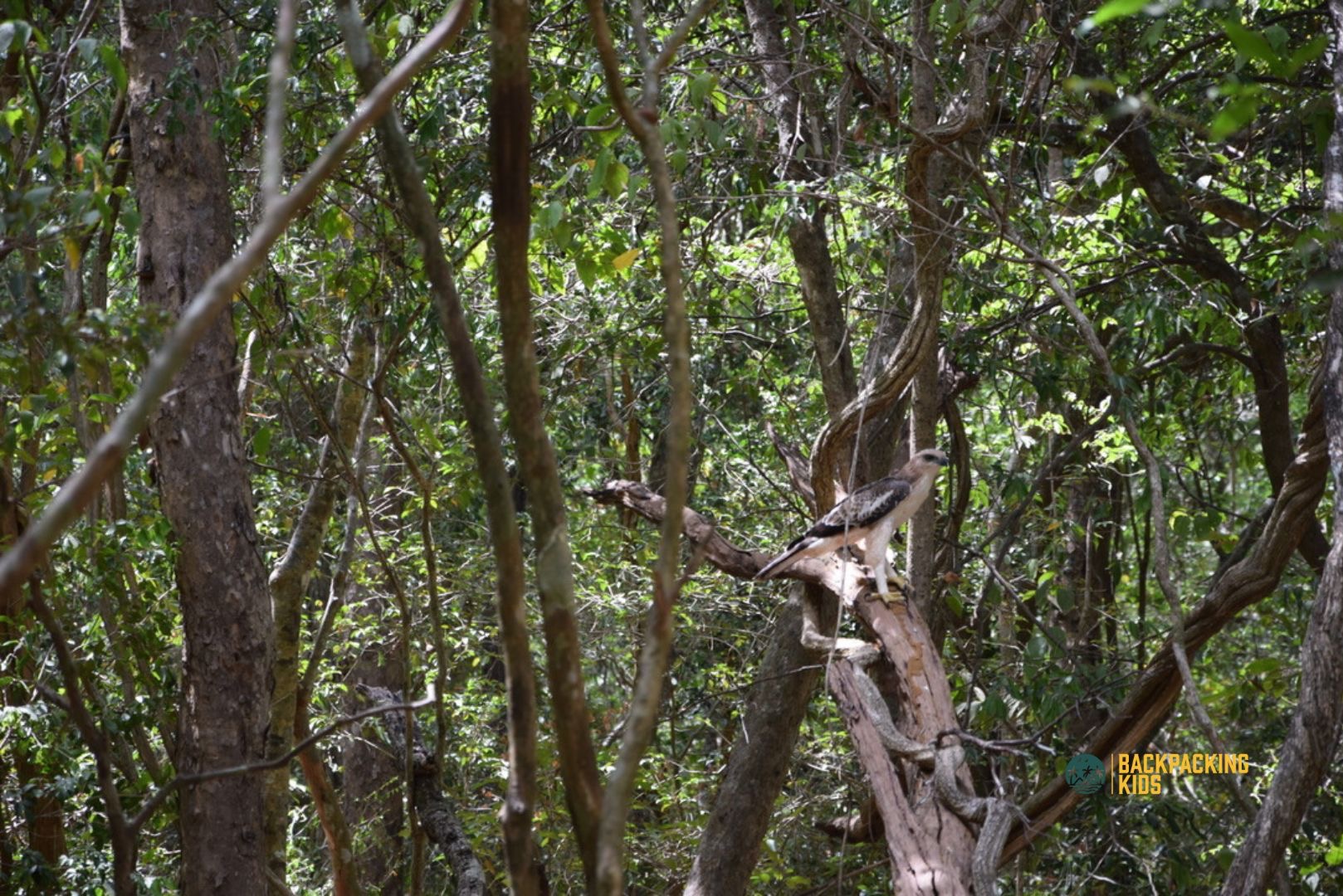
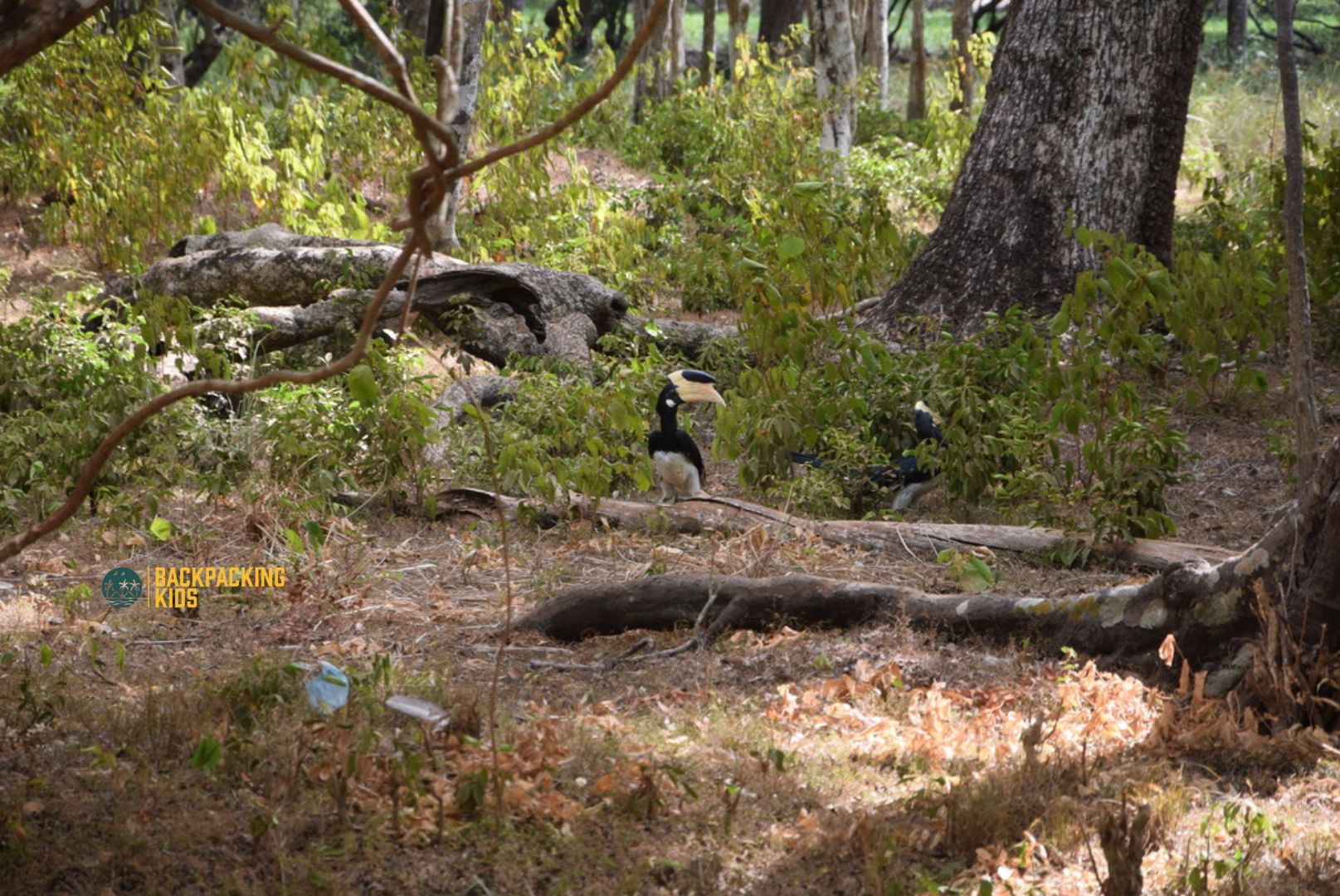
Bhashi then showed us a variety of birds. As this was not our first safari, we particularly appreciated seeing more of the birdlife. Choosing a full day worked well. Bhashi preferred that to rushing through a half-day visit.
In the middle of the park was a rest area with clean toilets. We had breakfast there while Bhashi planned the rest of the day.
We waited over half an hour at another promising spot without seeing a leopard. During the afternoon, though, we saw plenty of birds, buffalo, peacocks, monkeys, lizards and crocodiles. We had lunch at the rest area, where Bhashi warned us to eat inside because of the monkeys.
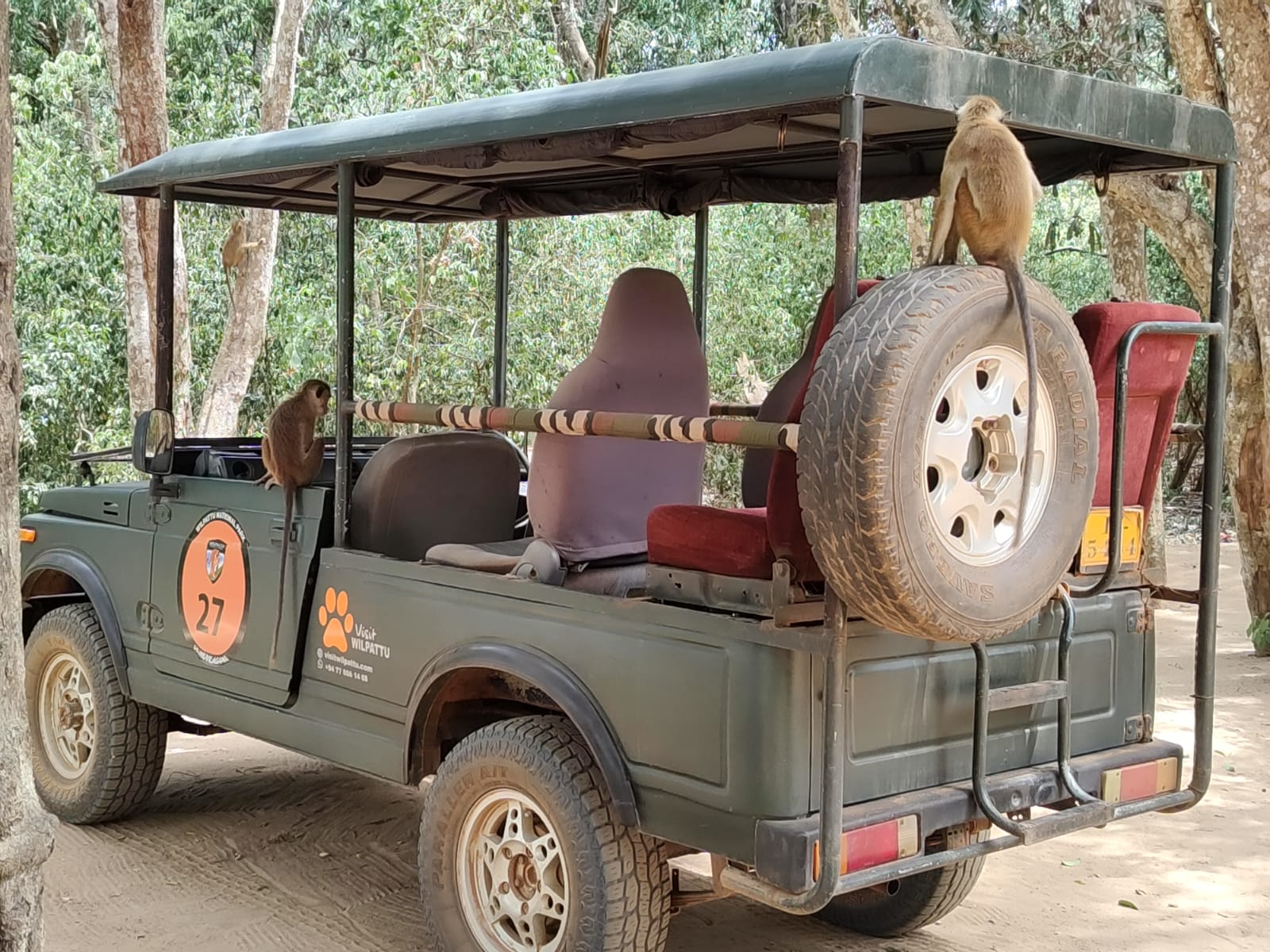
As we enjoyed homemade rice and curry and Bhashi had his meal, other visitors suddenly became excited. Monkeys had climbed into a jeep. They had targeted ours too: one opened a cool box and took a food container. Nearby, another opened a driver’s door from inside as though it did it every day.
Some visitors I spoke to were disappointed by how few animals they had seen, especially elephants. Bhashi had already warned us that seeing elephants was unlikely, with better chances towards the end of the day.
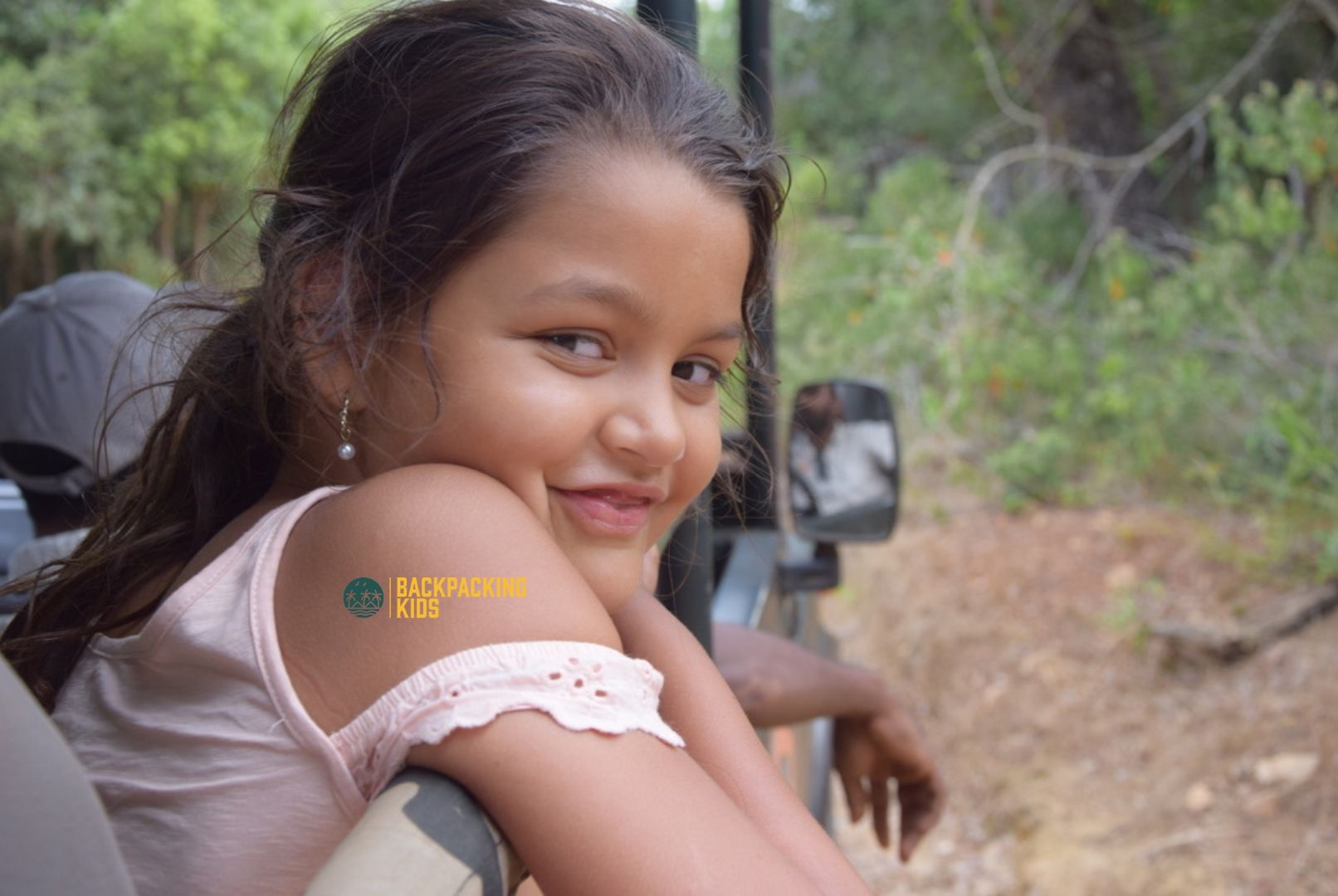
We tried for another leopard in the afternoon. Bhashi advised waiting until after 15.00 to look for bears, as they were usually inactive earlier. Then Shamila spotted a leopard beneath a large tree about two hundred metres away. Through Bhashi’s binoculars, we could see it clearly, although photographing it was difficult. The girls were fascinated too; Jaïra remarked on its beautiful coat.
On the almost forty-minute drive back towards the entrance, two bears crossed our path. We watched their interactions from close by for about twenty minutes. An extraordinary encounter.
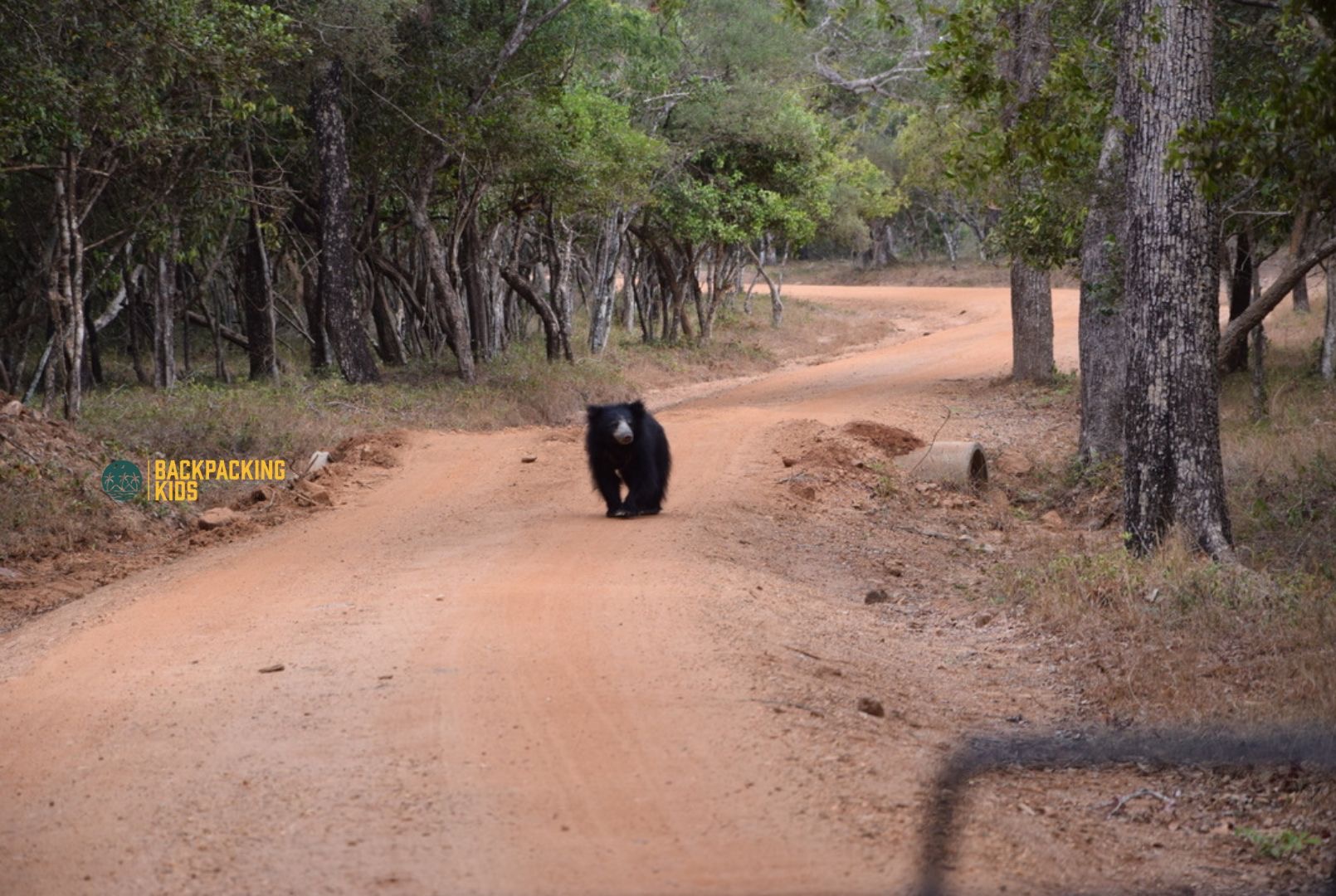
With the bears, we had seen our land-based big five across two parks. We were delighted, and the girls had loved the day. If you plan a safari, think about the animals you hope to see and choose a suitable park.
Do not expect to see everything. For us, a full-day safari was worth the extra cost, and we valued having a guide who gave the animals space.
Contact Bhashi through www.visitwilpattu.com or on WhatsApp at +94778661488.
Bhashi could also arrange accommodation for up to four people around five minutes from the entrance. At the time, he quoted 20,000 rupees for four people, including dinner and breakfast. Ask directly about current options and prices.