
The Rosmead Place by Thilanka is a boutique hotel near the centre. It was full of art and looked very modern. Our room was lovely, the beds were comfortable and the smell of breakfast woke us up. After sleeping off the jet lag until eight, we ventured downstairs. Nowhere are our children greeted with as much affection as in Sri Lanka.
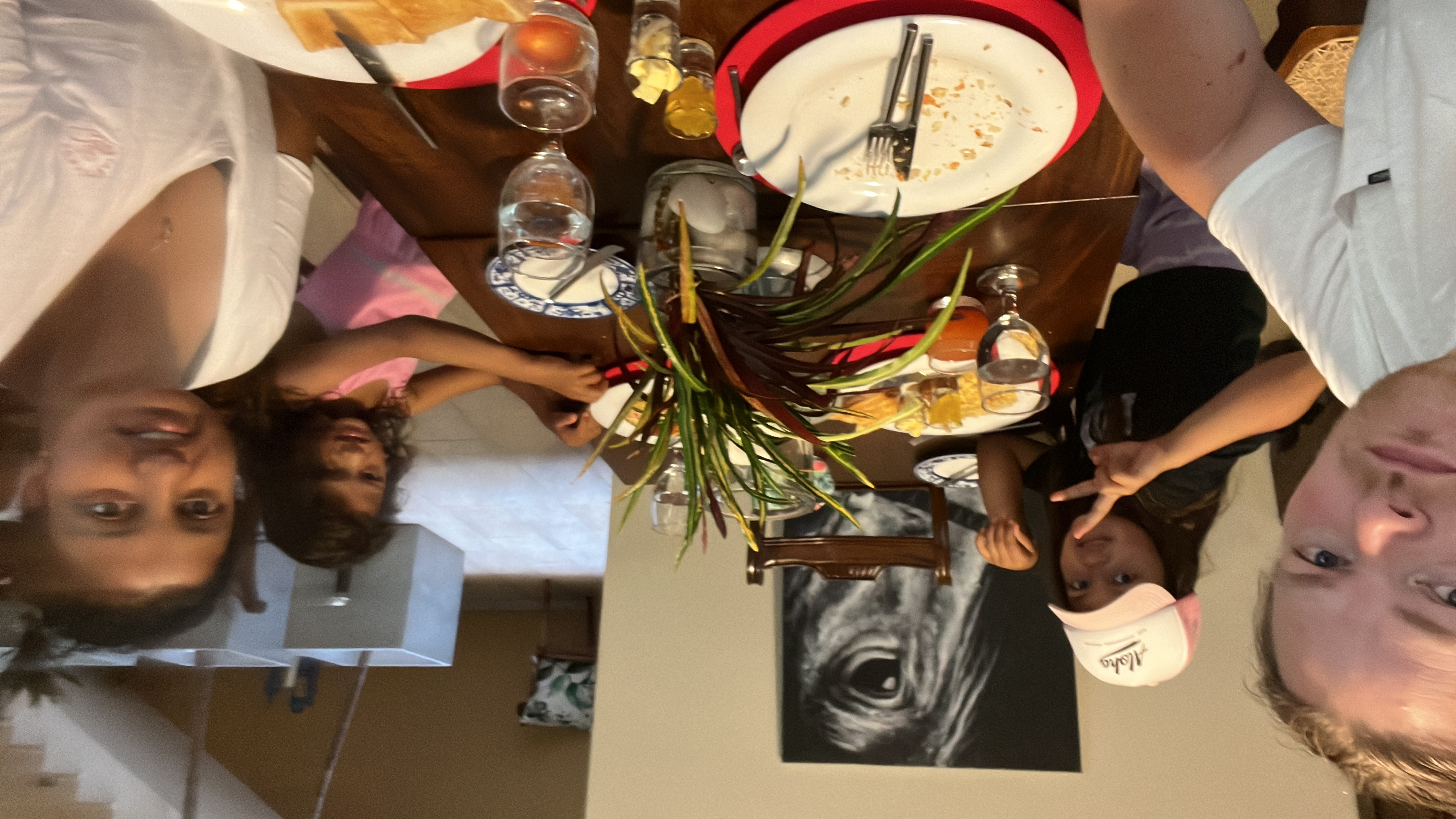
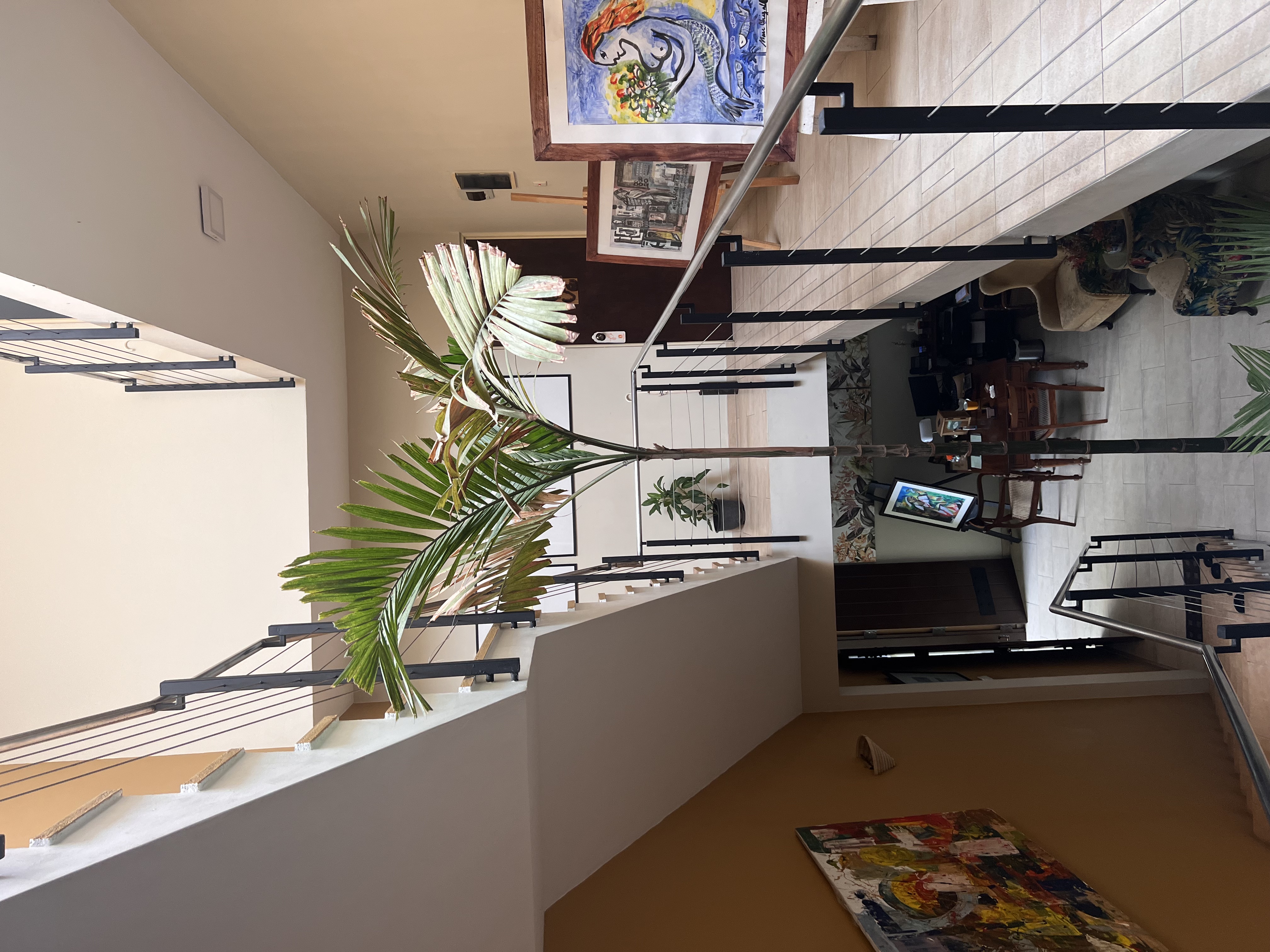
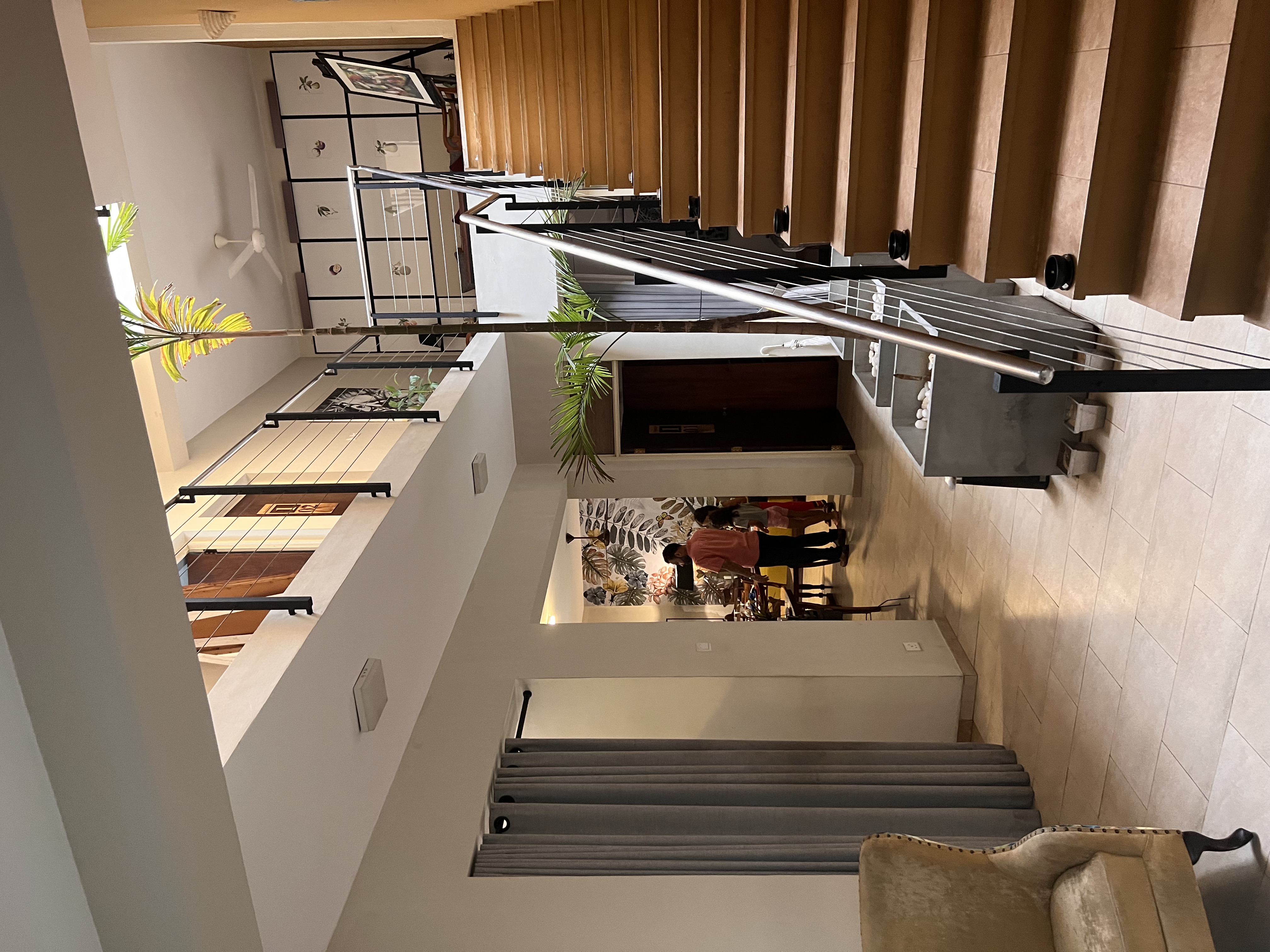
The dining area was open, with beautifully laid tables and large planters full of greenery, indoors and out. The hotel felt like an oasis in the city. Breakfast included fruit and fresh juices, ideal for children who enjoy fruit.
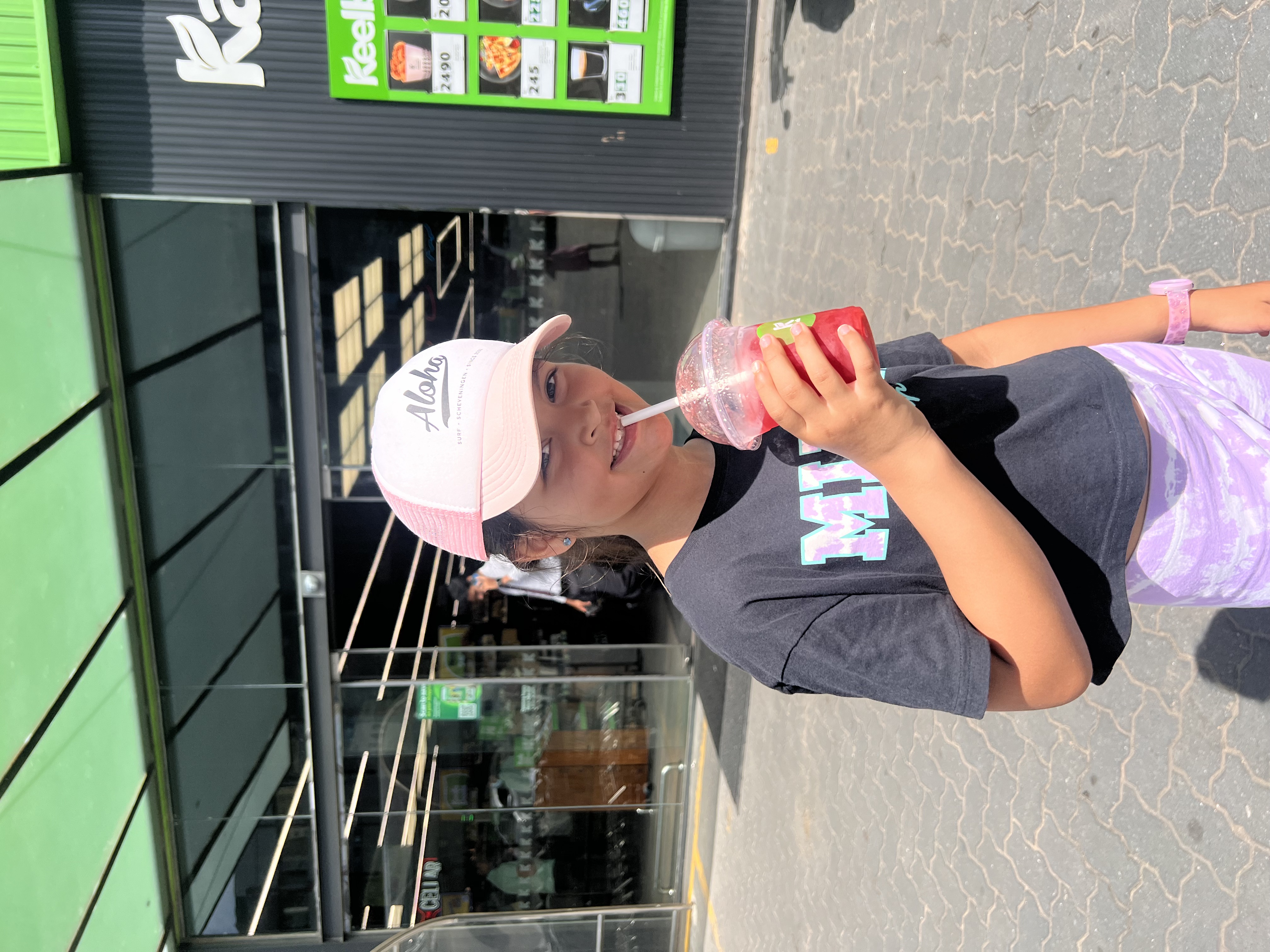
After breakfast, we began our day in Colombo with the children. First stop was Keells supermarket, a short walk away. It was large, with fresh produce and handheld scanners, much like Albert Heijn at home. I mention that because some people imagine the whole of Sri Lanka as desperately poor and old-fashioned. Colombo showed another side.
It was reassuring for the children to find something familiar in new surroundings. We bought cold water and biscuits for later. Jaïra chose a cup of fresh watermelon juice. At seven, she mainly drank water, milk or tea, so fresh fruit juice with no added sugar was a real treat for her.
LOTUS TOWER
After the supermarket, we headed north around Beira Lake. On its northern side stood the 350-metre Lotus Tower. The Chinese-funded project was intended as a technological landmark. It had also attracted allegations of corruption and questions about the transparency of its contracts. Several Sri Lankans spoke openly to us about their concerns over Chinese influence.
Even so, visiting the tower seemed a good way to get our bearings in Colombo.
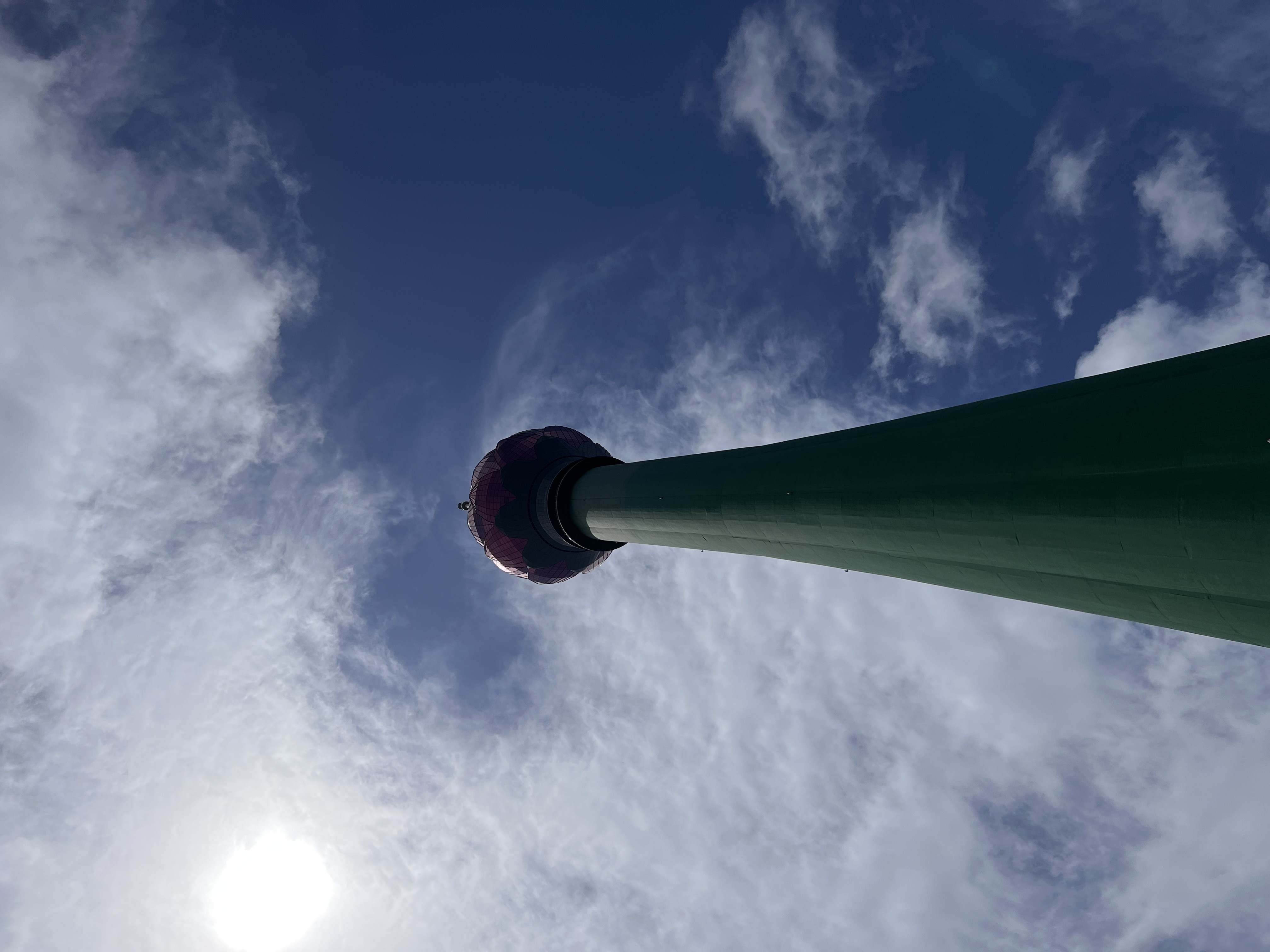
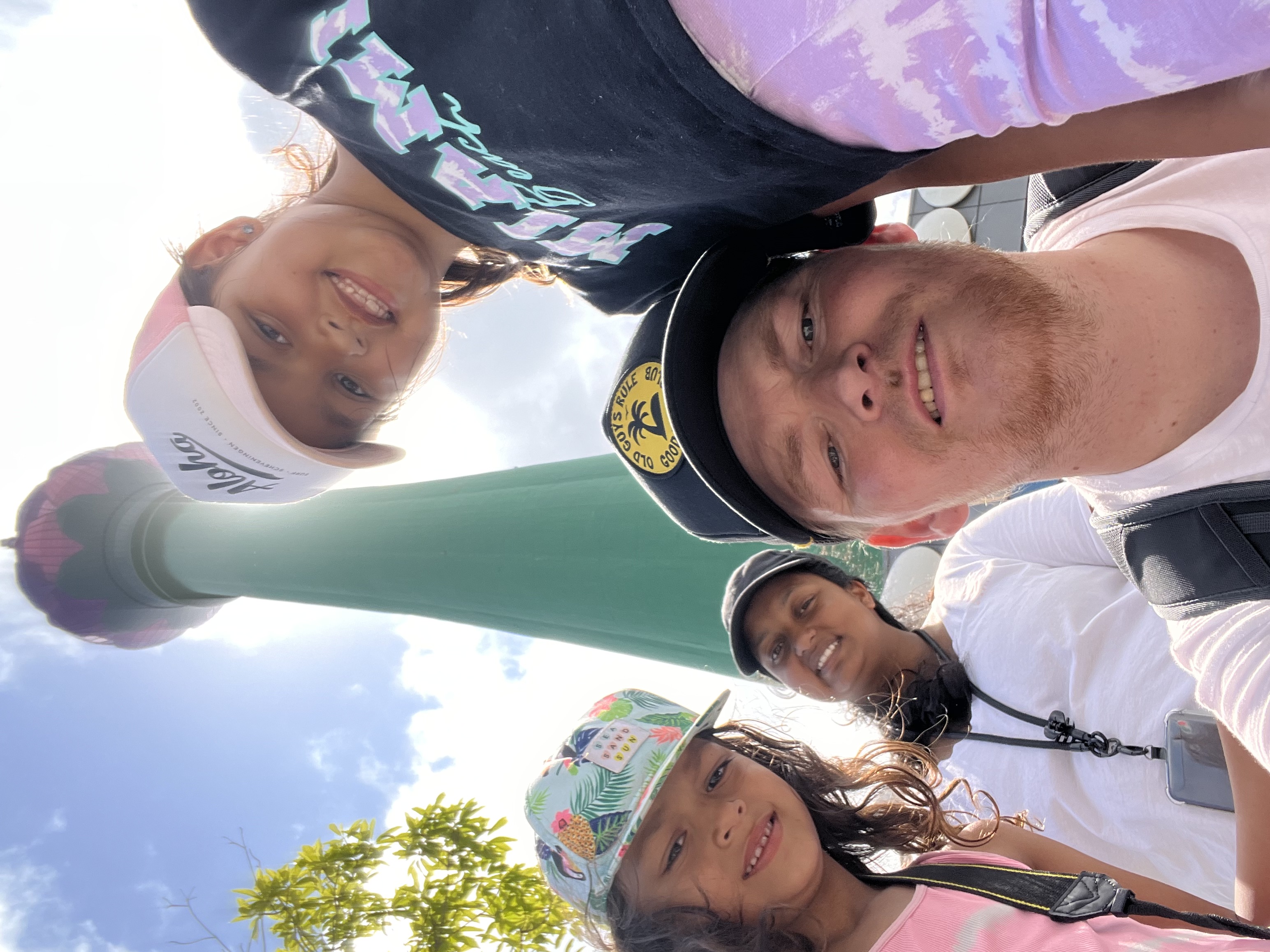
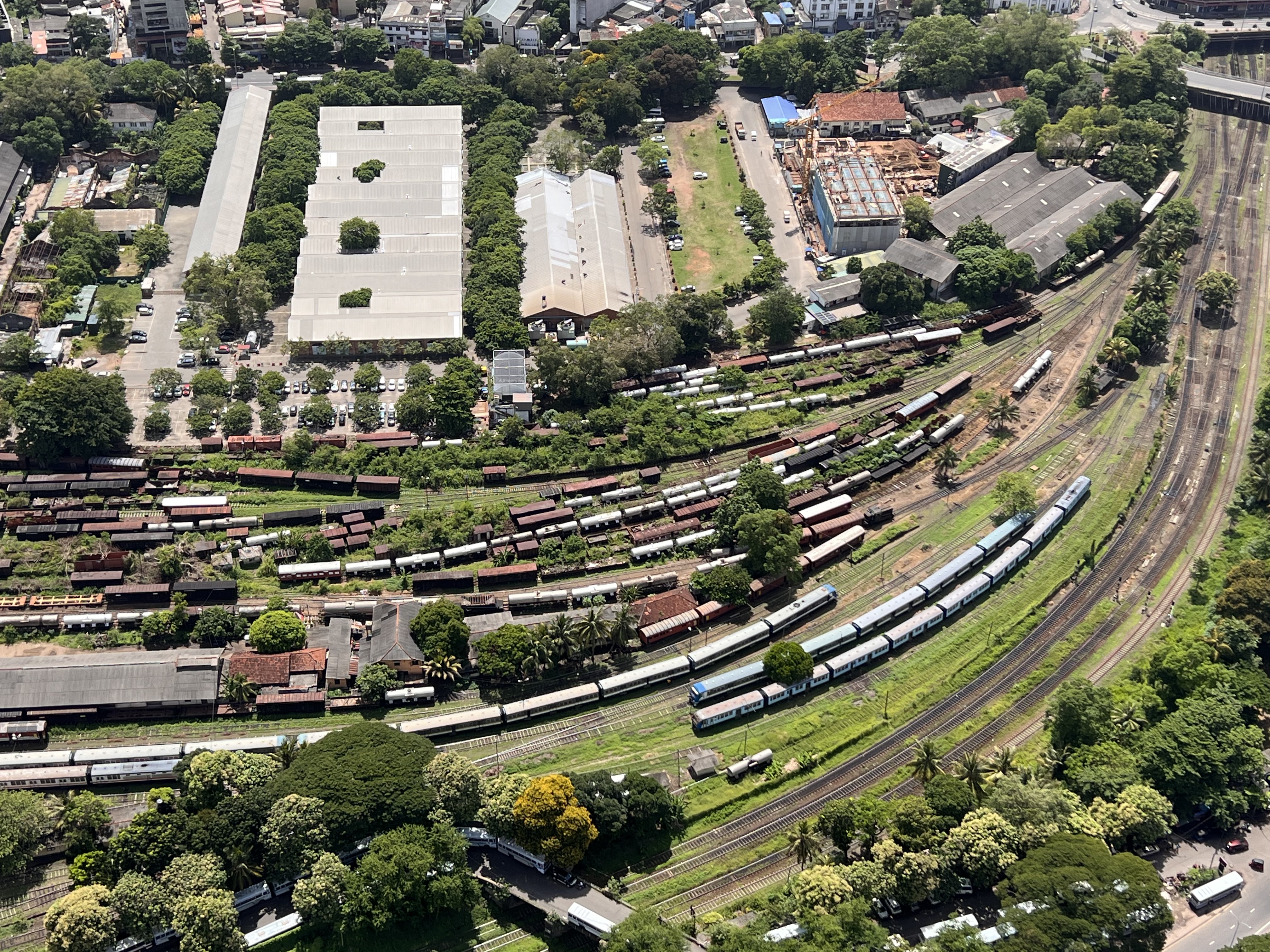
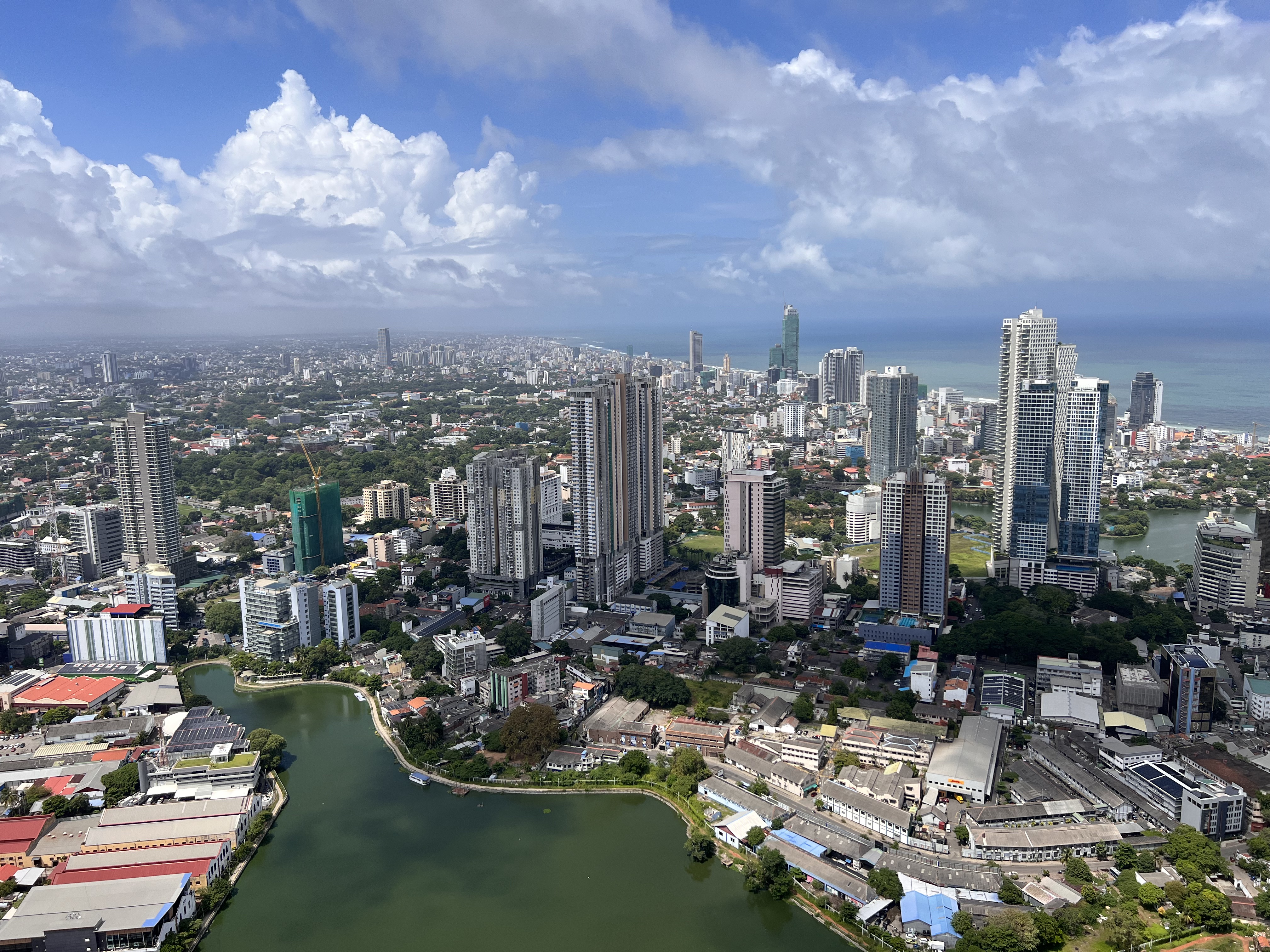
It was relatively expensive:20 US dollars per adult and 10 per child at the time.
Colombo’s historic Wolvendaal Church
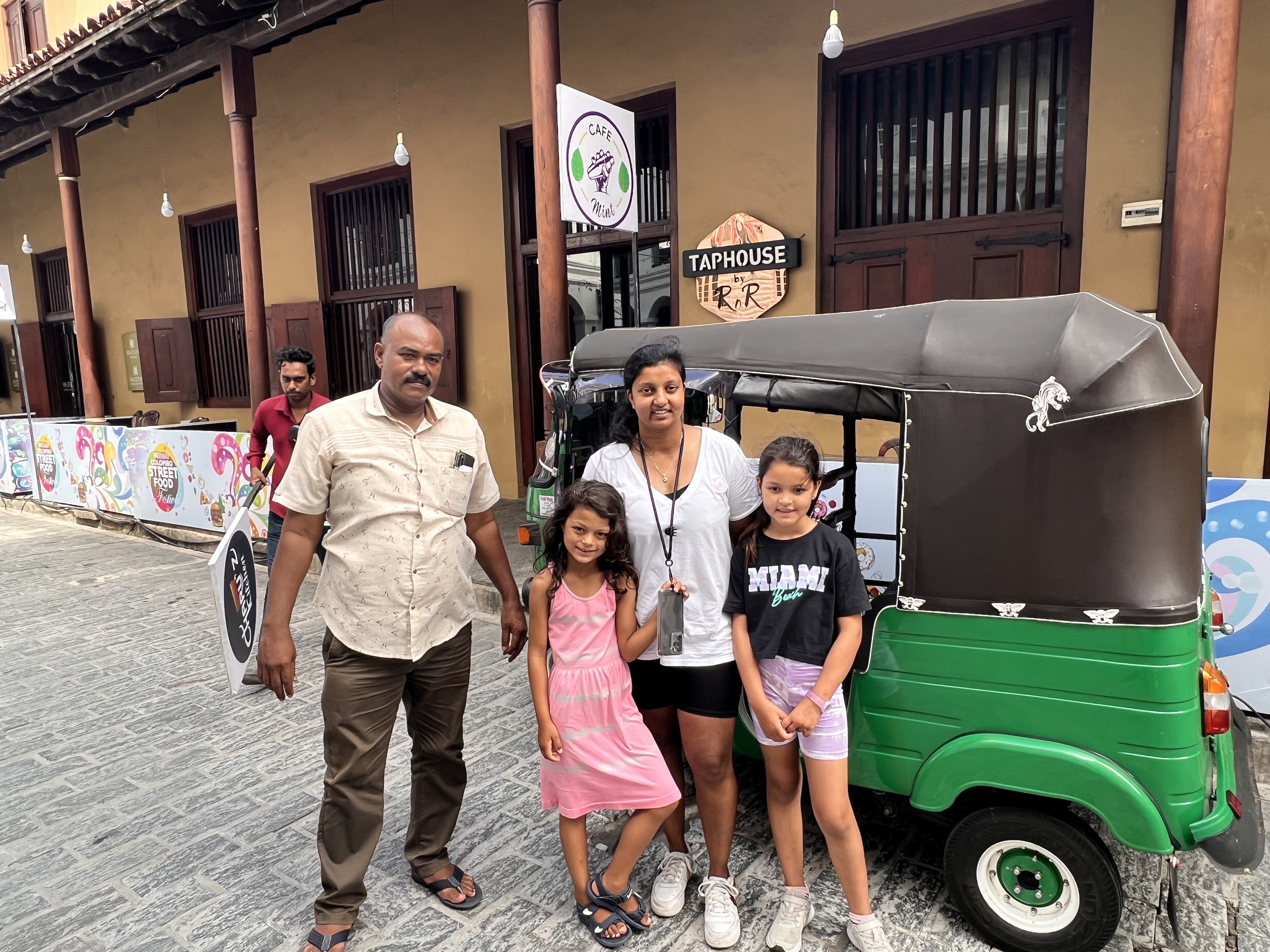
After leaving Lotus Tower, we asked a tuk-tuk driver, Ranjeeth, to take us to Wolvendaal Church. He agreed on around 800 rupees. Founded in 1749, the church is one of Sri Lanka’s old Protestant churches, with Dutch colonial architecture.
The church’s architecture reflects the Dutch colonial period, with a wooden pulpit, substantial columns, carved woodwork and old furniture inside.
For the children, the history made it interesting. Besides the Dutch name, there were inscriptions in old Dutch they could recognise. It was a good opportunity to explain the connections between the Netherlands and Sri Lanka. The Dutch Museum would normally have been useful for that too, but it was closed for renovations during our visit.
Sri Bala Selva Vināyagar Temple in Colombo
Ranjeeth drove us from Wolvendaal Church to Sri Bala Selva Vināyagar Temple, in central Colombo. Its elaborate architecture and quiet atmosphere caught our attention.
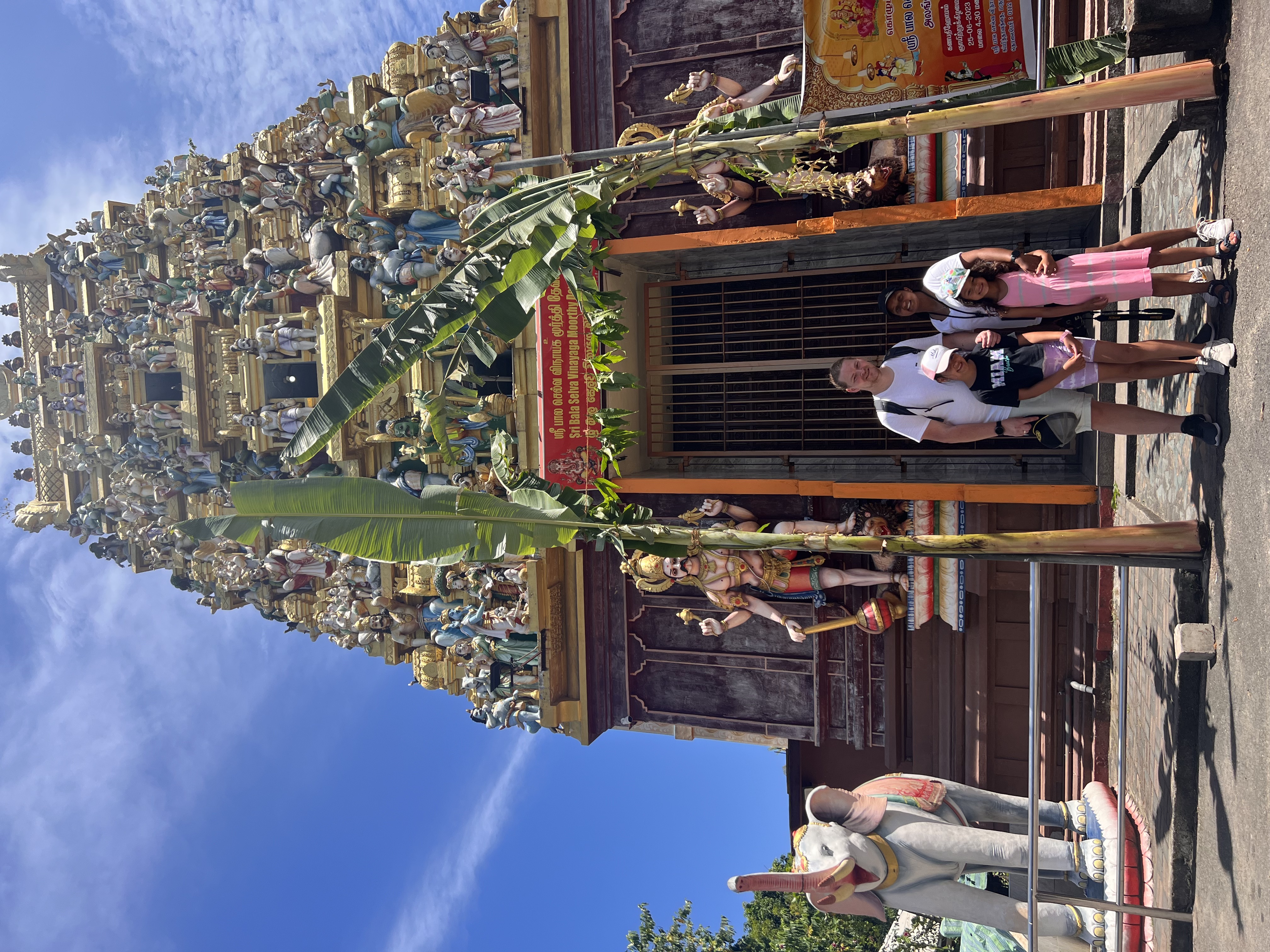
This Hindu temple is dedicated to Vināyagar, also known as Lord Ganesha. Its decorated façade, colourful figures and intricate sculptures reflect South Indian temple architecture.
The children did not know where to look first. Questions about why the place was sacred and why people worshipped this god came naturally. We like introducing them to different religions, even though they are Christian themselves.
They often notice parallels with our faith more quickly than we do. They focus on similarities, while we unconsciously notice differences. Visiting the temple gave us another chance to talk about Sri Lanka’s religious traditions.
Sri Lanka’s white house
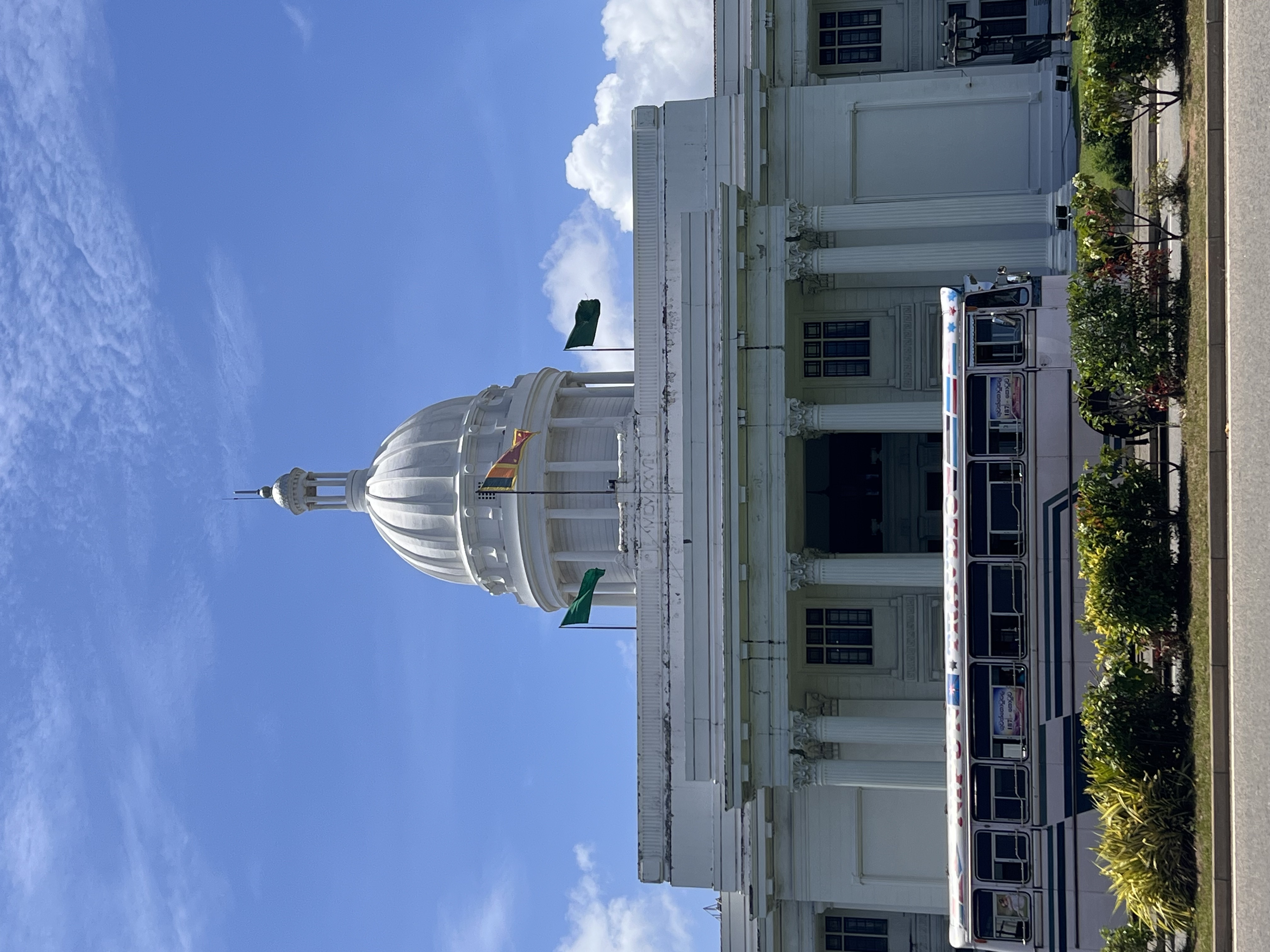
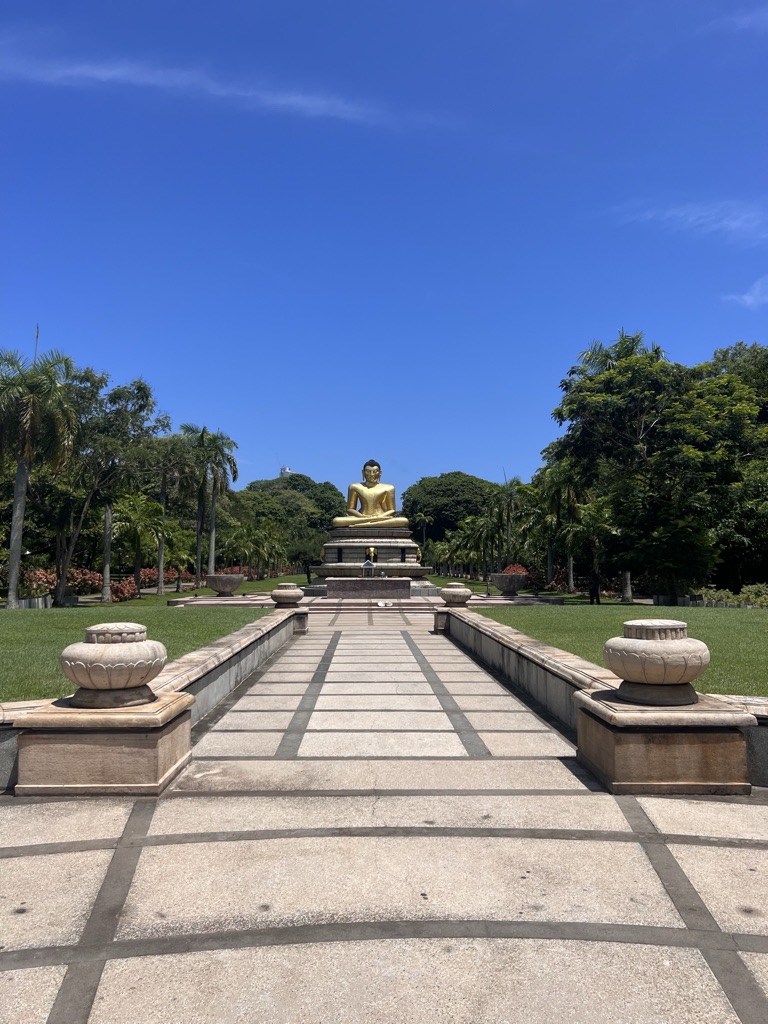
A little further on, we reached a familiar-looking white building. We had not suddenly arrived in Washington: the white neoclassical building, reminiscent of the US Capitol, was Colombo’s Town Hall.
Construction began in 1924, when Ceylon was still under British colonial rule, and was completed in 1927. It housed the mayor and municipal council. After independence, it continued to serve as the city council’s offices.
Opposite, near the entrance to Victoria Park, stood a large golden seated Buddha. The Town Hall was an understated name for such an impressive building.
Independence Square and Independence Memorial Hall in Colombo
Ranjeeth drove us to Independence Square and Independence Memorial Hall, commemorating Sri Lanka’s independence. With its many columns, the hall resembled a temple. It also gave us a place to sit in the shade. The children had done well so far, but it was very hot in the sunshine.
Gangarama Seema Malakaya
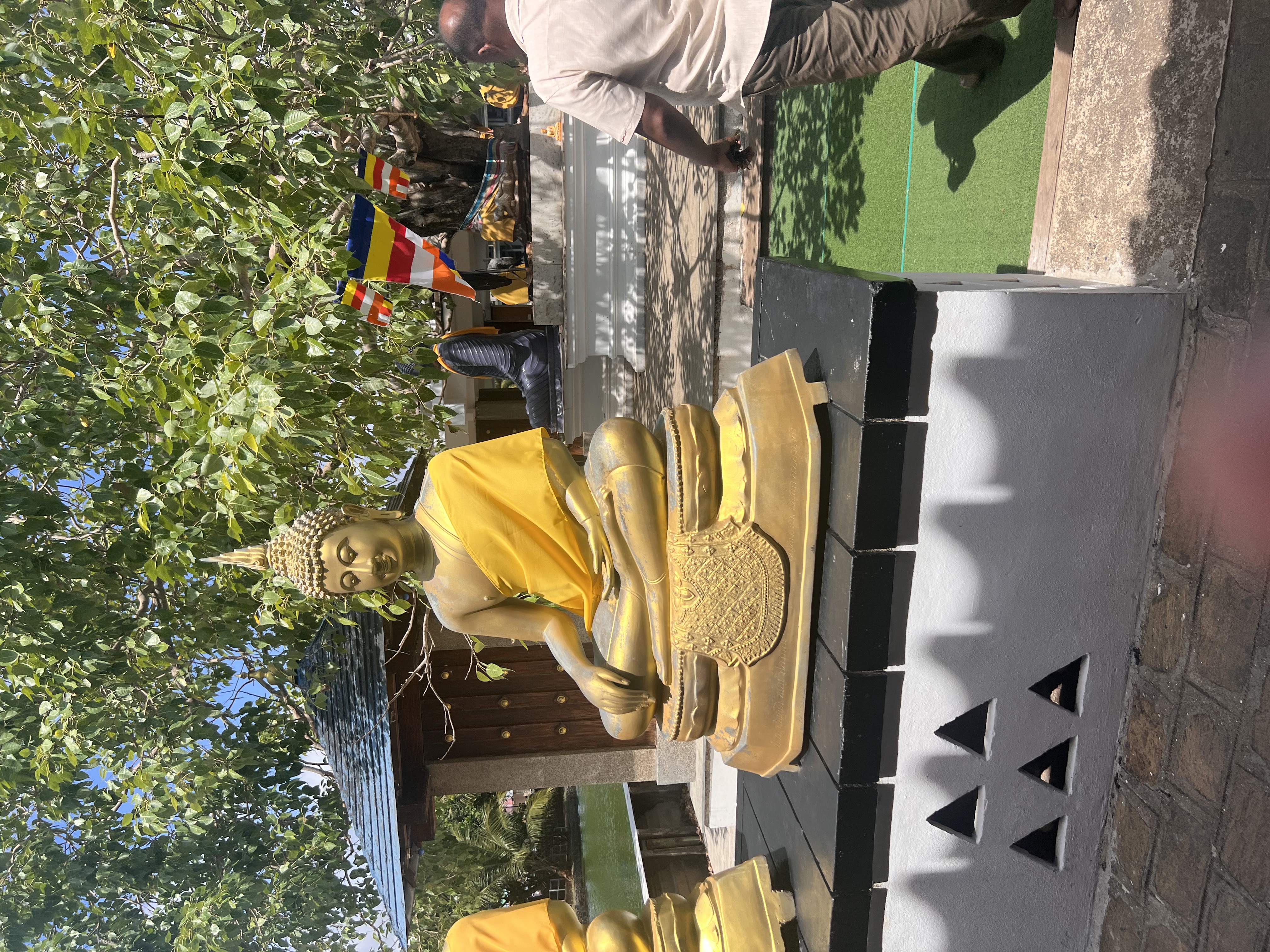
Next, we visited Gangarama Seema Malakaya, a Buddhist temple beside and over the water. With its walkway and collection of Buddha figures, it offered a quieter place to pause during our day in Colombo.
From that quiet spot, we could see how many luxury towers and hotels were being built nearby. Colombo was changing quickly.
Our last temple of the day: Gangaramaya
Gangaramaya Temple was close by. Its buildings combined architectural elements from Sri Lanka, Thailand, India and China. At the entrance were two figures of Guan Gong with large blades, an unusual sight.
Inside were hundreds of large and small Buddha figures from different Asian countries. A relic said to be a hair of the Buddha was among the temple’s treasures, though it was not normally displayed. I did not see it.
It was not the most beautiful or impressive temple for us, perhaps because our understanding of Buddhism was rather limited. For someone wanting to learn more about Buddhism, it could be an interesting place to visit.
Dutch Hospital
We asked Ranjeeth to take us to Dutch Hospital. Once a hospital during the Dutch colonial period, the historic building had become a shopping and dining area. Its old architecture remained alongside modern facilities.
We looked for somewhere to eat. It seemed quiet until one of the children asked about all the signs fixed to the columns. A street-food festival was due later that day. We were too early, but decided to return. For lunch, we chose Java Lounge, a Sri Lankan coffee chain that began in Colombo and had since expanded.
I enjoyed seeing a coffee culture developing alongside Sri Lanka’s famous tea culture.
Galle Face
With a few hours until the festival, we walked to Galle Face, Colombo’s seafront promenade. It is a lovely place at sunset, when people gather to eat, talk and play. It was still hot and fairly quiet, so we cooled down in One Galle Face Mall opposite. The large, modern shopping centre challenged some familiar preconceptions about Sri Lanka.
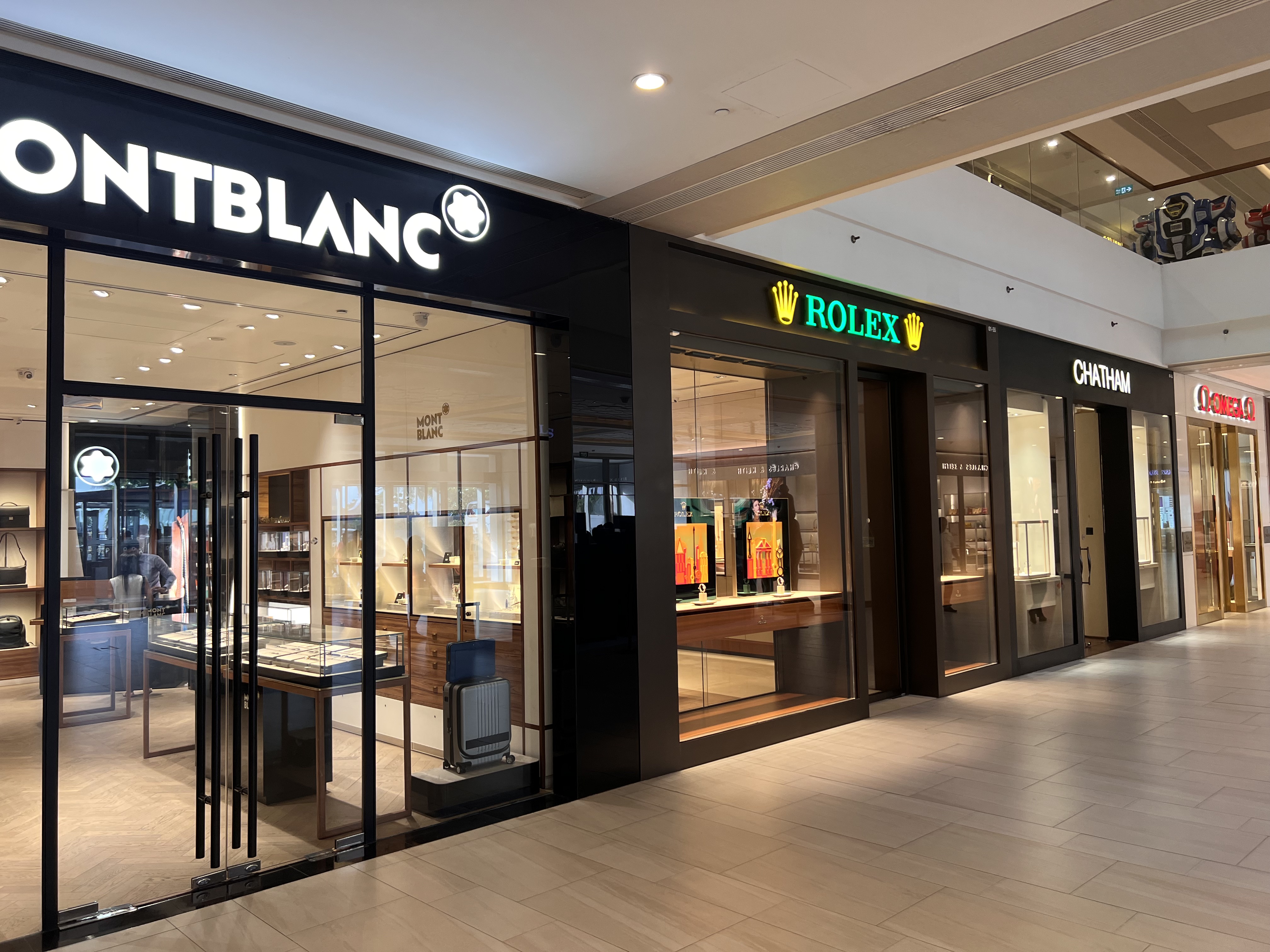
There were international brands including Montblanc, Victoria’s Secret, Adidas, Nike and Benetton, as well as local shops. Jaïra wanted to spend her pocket money on a long skirt ‘so I can wear it properly when visiting temples’. What could I say to that?
After shopping, with Jaïra and me secretly very grateful for the air conditioning, we went outside onto the grass beside the sea. We found a spot and watched everything around us. As the sun went down, Jaïra danced, children flew kites and Joëlla was startled by a long snake passing nearby. It belonged to someone who was keeping an eye on it.
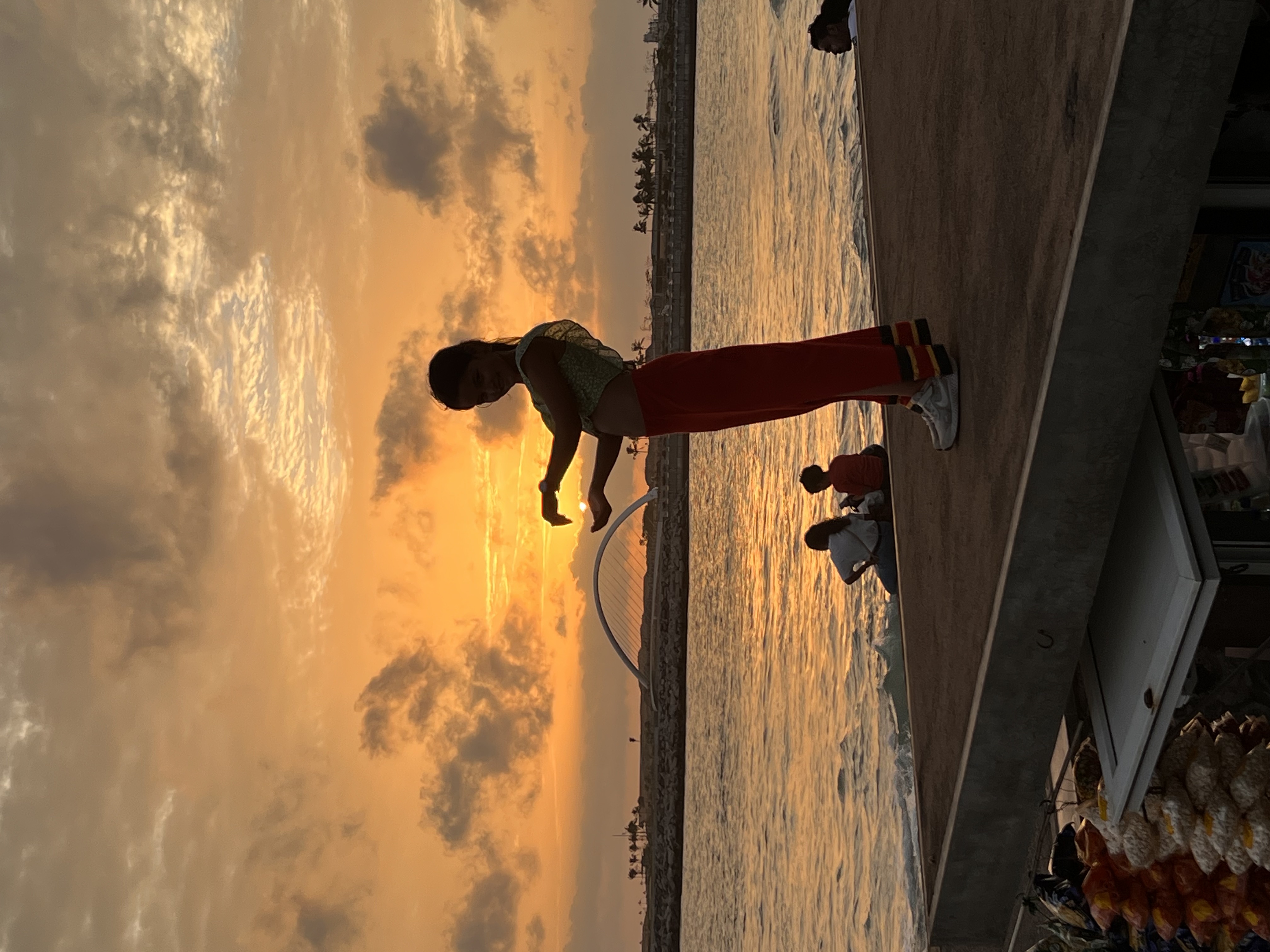
It grew busier as the sun set. Small food stalls, couples and families gathered around us. Afterwards, we walked back towards Dutch Hospital for the street-food festival.
STREET-FOOD FESTIVAL AT DUTCH HOSPITAL
On the way, a man in a suit, apparently heading home from work, asked where we were from and said how pleased he was to see tourists. When he heard Shamila was born here, he told us enthusiastically about a festival with dancing. He flagged down a tuk-tuk and arranged an exceptionally low fare. Before we knew it, we were following his enthusiasm towards an unfamiliar place across the lake.
It turned out to be Gangaramaya Temple, where we had already been that day. We decided against going in again. The children were hungry, so we continued to Dutch Hospital.
Then came the unwanted gem-shop stop. The driver pulled up outside a jewellery shop without asking. ‘Just one minute, sir.’ I hate that sort of situation. Sales tactics can be pushy, so do not feel obliged to buy anything. We have encountered this elsewhere too. You can remain calm, look briefly and leave, or decline to go in. Refusing may mean finding another tuk-tuk in a side street.
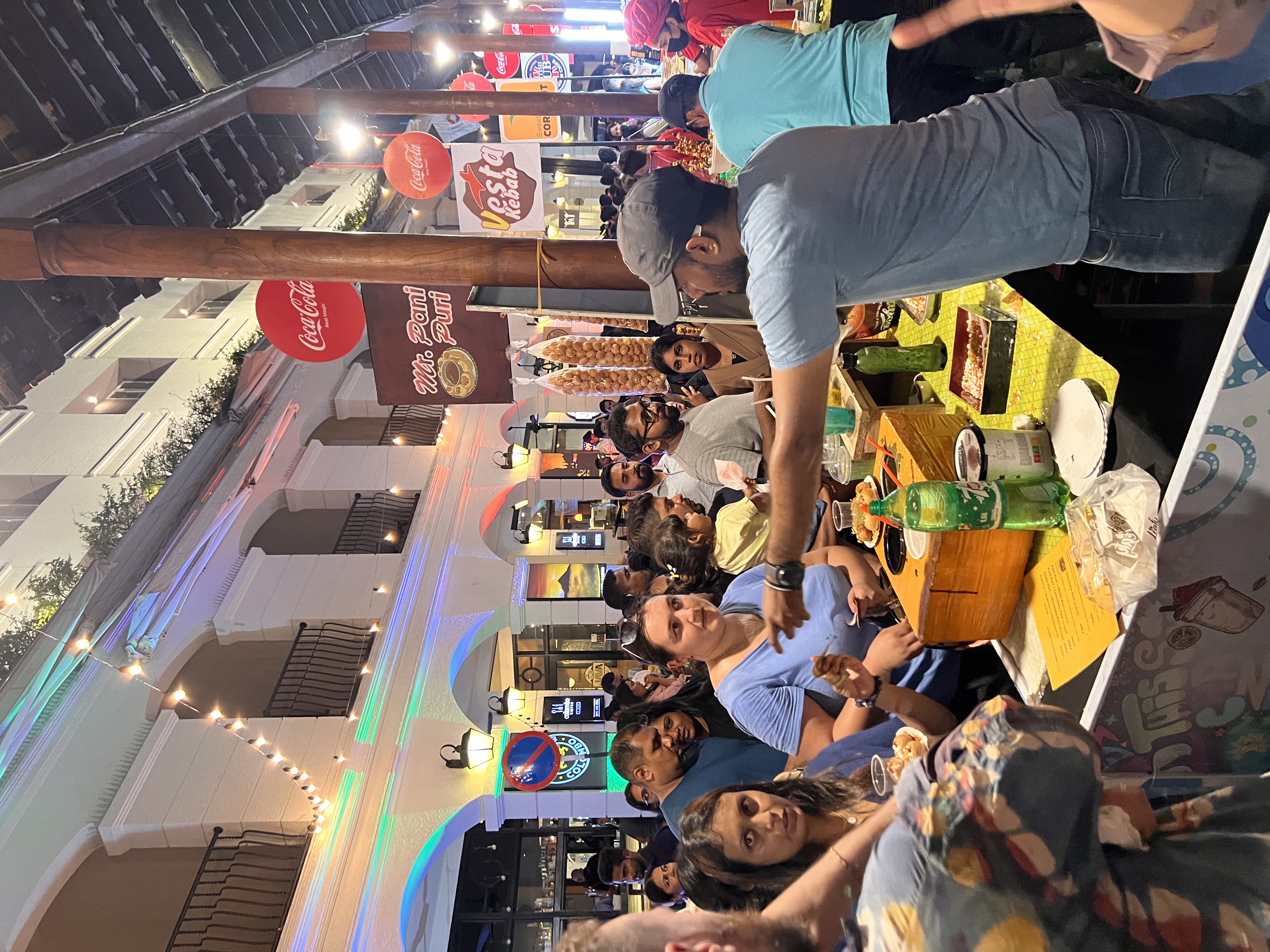
At Dutch Hospital, the festival was busy. The children browsed the stalls to choose something to eat: meat, vegetarian dishes, curries, sweets and even fish and chips. A live band played further along the street. Jaïra and Joëlla chose corn on the cob, which they had loved since our trip to Palestine, where it was sold on street corners.
We chose pani puri. Delicious! The crisp, hollow puris were filled with spiced potatoes, pulses and chutneys, with a tangy, spicy tamarind-and-mint liquid. We can find it in the Netherlands, but not easily, so we made the most of the chance.
After an evening of dancing, food and music, we found a tuk-tuk for the last ride of the day. We reached the hotel tired but happy. Tomorrow, we would leave for Negombo.
The girls had walked eighteen kilometres in a very hot Colombo without complaining. Balancing the day helped: something for us, something for them.