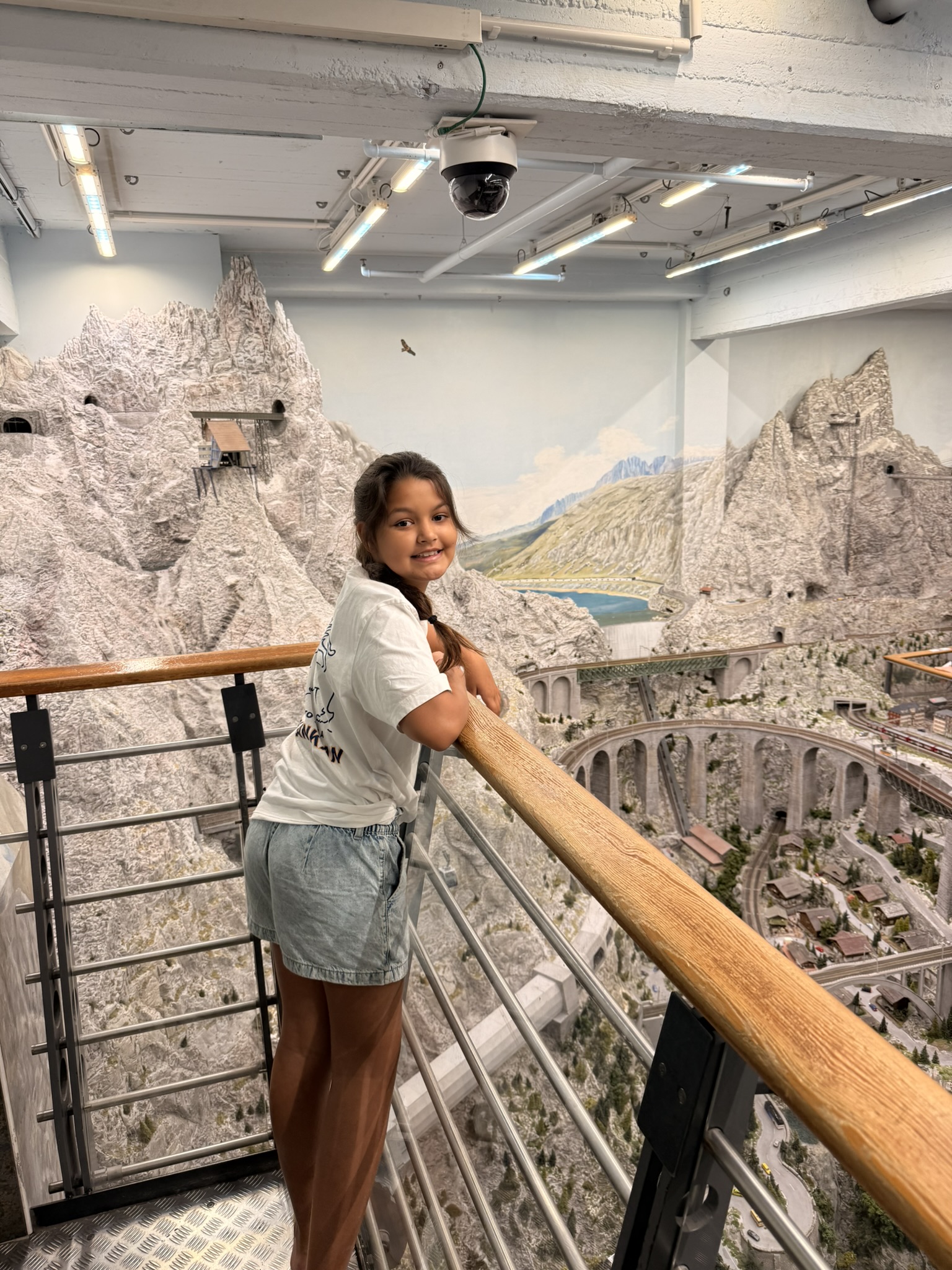
A weekend away · May 2026
Hamburg with children
The miniature world of Miniatur Wunderland, Speicherstadt and our hotel for the weekend.
Read about our Hamburg weekend → NL
Germany · Our trips
A city full of stories or a road trip past castles? Explore Germany through our own trips and choose what suits your family.
From Berlin with the family to a father-and-son trip past castles. Each trip has its own story, photos and practical experiences.
A weekend away · May 2026
The miniature world of Miniatur Wunderland, Speicherstadt and our hotel for the weekend.
Read about our Hamburg weekend →City break · Our own trip
Our full account of a long weekend in Berlin, including West Berlin, Tropical Islands and where we stayed.
Explore our city break →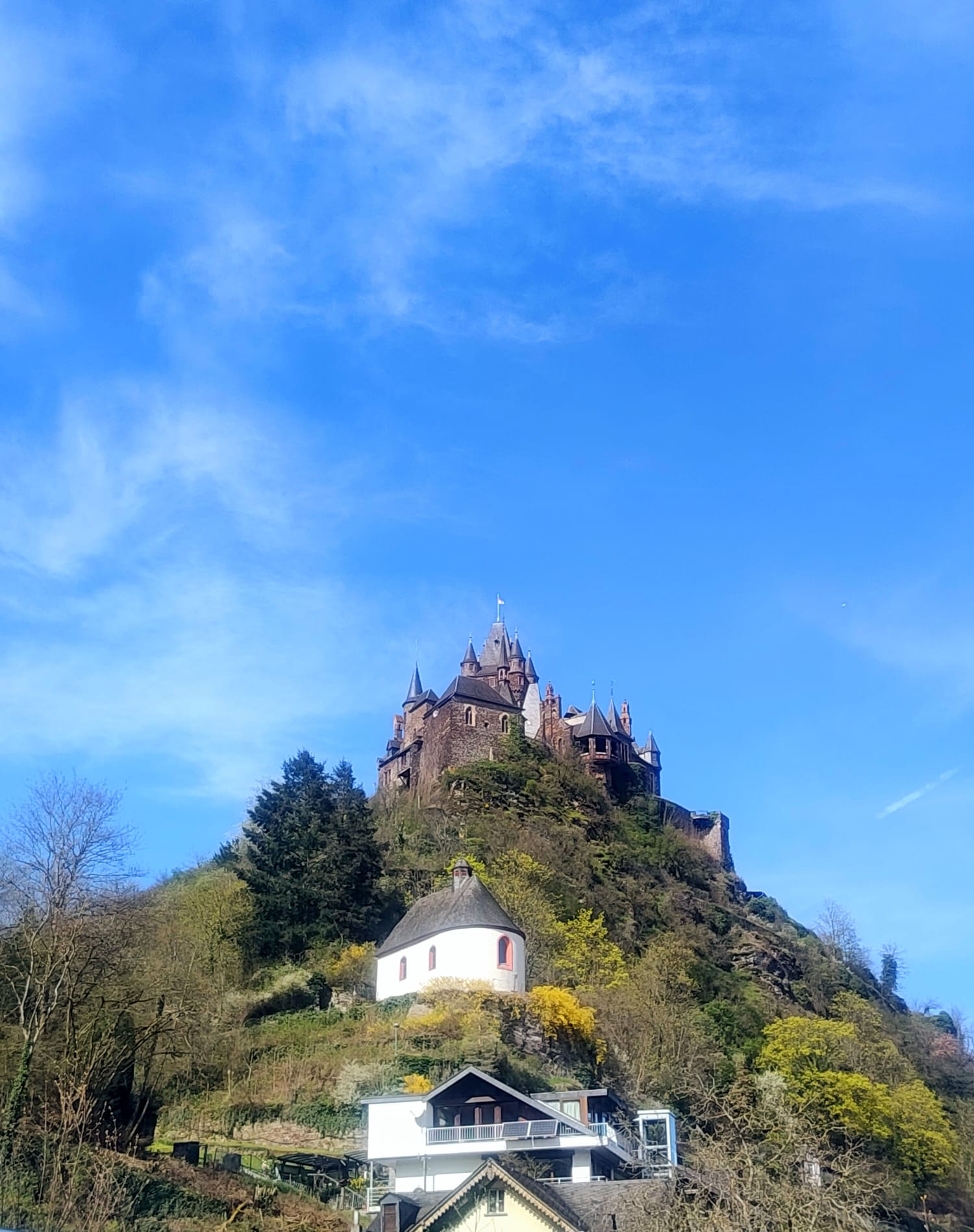
Road trip · Our own trip
A father-and-son trip along the Rhine, visiting castles and finding out what travelling by electric car was like.
See our castle road trip →Want to see more of our stops? Read the individual stories and see where Germany featured in our road trip to Sardinia.
Follow the route to Sardinia →From place to story
Choose a place that interests you. Open the story to read our full experience and see the photos.
Our full travel storyBerlin with children🇩🇪 Germany · City break
Our long weekend in Berlin, with the original stories and photos.
As well as being Germany’s capital, Berlin has an extraordinary history and a rich cultural life. It is a city of festivals, nightlife, museums and art exhibitions. Although things were rather different at the time of our visit, Berlin had more than enough for a memorable weekend. What was it like with children? Here is our experience.
Travel in 2020 looked different, sadly, but that did not mean there was nothing to discover. It was a good moment to rediscover and appreciate Europe. We normally backpacked with our daughters Lotus, eleven, Jaïra, four, and Joëlla, three, but this time we headed to Berlin for a long weekend.
Original travel account · 2020
The journey times, prices and coronavirus measures in this account relate to our trip at the time.
Getting to Berlin with children
Car or train? We chose to drive to Berlin, around 635 kilometres from Utrecht. Leaving early, as we did at 04.30, meant a journey of just under six hours. Nicely ahead of the holiday traffic! Intercity Berlin is a good alternative, taking you directly from Amsterdam to Berlin by train in just over six hours. You can also take the train from Utrecht. I will explain later why we chose the car!
How many days in Berlin with children?
There is so much to do in Berlin that you could easily spend a week here without getting bored. It is a very large city, with a centre in both the west and the east, so two full days is the minimum I would allow. We stayed for just three days; you could easily stay longer.
Choosing a good hotel
Berlin has distinct eastern and western areas. It is worth bearing that in mind when looking for a hotel. There is plenty of accommodation in both, and it is almost impossible to explore the city without using public transport. To put it rather bluntly, West Berlin felt wealthier to us, while East Berlin looked greyer and less luxurious.
For that reason, we chose a hotel in Berlin Mitte, roughly between the two. For us, NH Berlin Mitte was ideal. It was 300 metres from Checkpoint Charlie, with most sights within walking distance. If shopping interests you more, Upper Room Hotel Kurfürstendamm is worth considering. For East Berlin, you could look for a hotel around Alexanderplatz .
Our own experience · 2020 trip
Berlin Mitte
We chose the hotel near Checkpoint Charlie for its central location. Staying in Mitte meant we could explore part of the city on foot.
The advantage of leaving early is arriving relatively early too. As we could not yet check in at NH Berlin Mitte we drove to Kurfürstendamm first. We parked in one of the many garages for just a few euros. That was a great advantage in Berlin: parking was cheap and widely available. Driving around was easy, with broad roads and little traffic. During the coronavirus period, the car was a useful alternative to public transport.
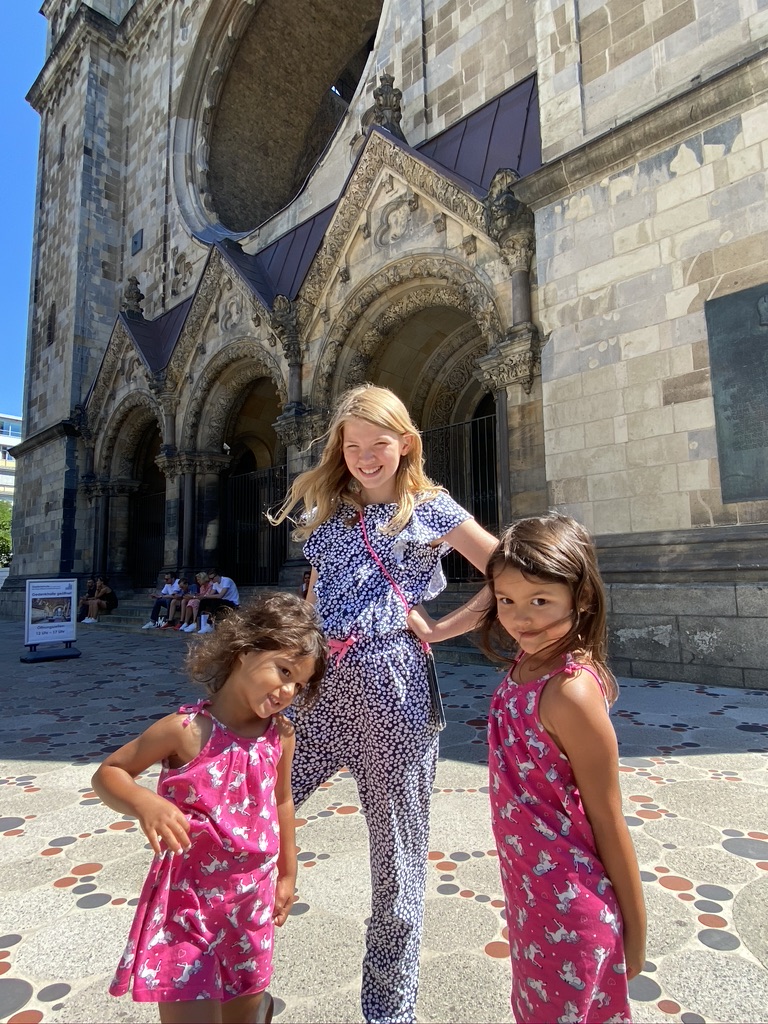
Kurfürstendamm is Berlin’s famous shopping street, inspired by the Champs-Élysées. Luxury brands of all kinds were represented, from fashion to cars. Halfway along stood the Kaiser Wilhelm Memorial Church, one of Berlin’s best-known landmarks. It was well worth visiting. The church was badly damaged by bombing in the Second World War, which made it all the more striking. Beside the historic tower stood a new octagonal bell tower. The contrast was enormous. The children found it fascinating.
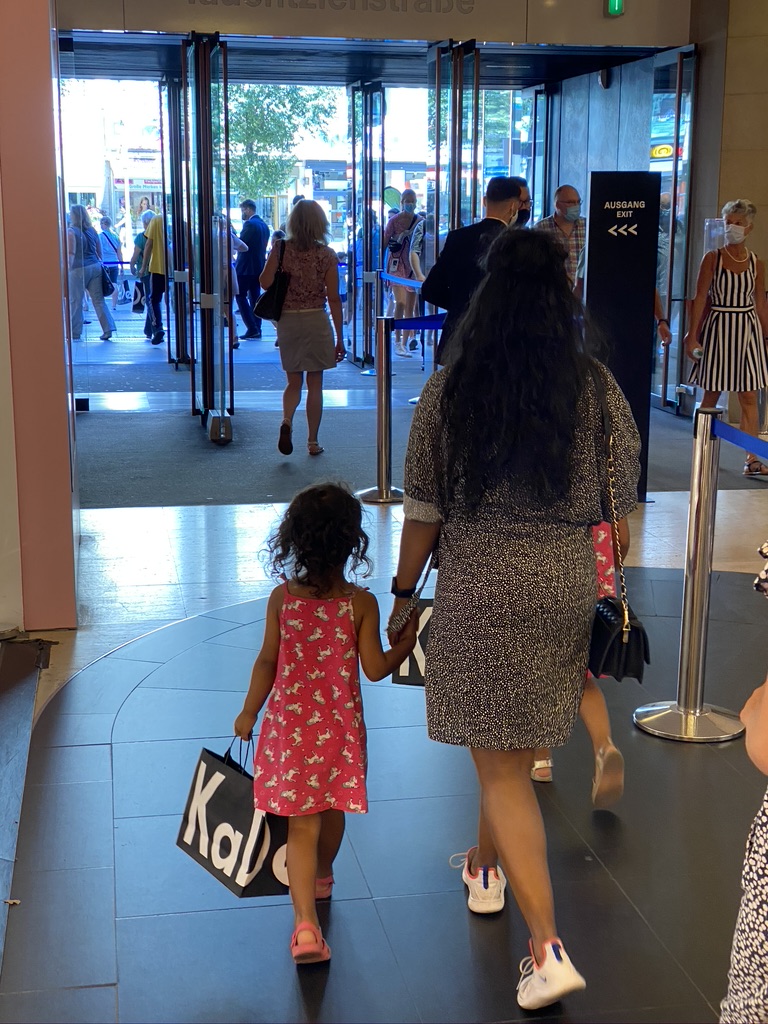
There were plenty of places to have a frankfurter or bratwurst for lunch: cheap, typically German and worth trying. The children might enjoy it too. A little further on was the prestigious KaDeWe department store, whose name stands for Kaufhaus des Westens. It was a symbol of capitalism before, during and after the Wall. The store was enormous; it would have been easy to spend hours shopping there. Its 60,000 square metres held everything from designer clothes to toys. Shopping makes you hungry, and there were plenty of restaurants too. With children, do not miss the fourth floor: a toy department on a scale we no longer knew in the Netherlands. It was huge, with just about everything imaginable. For my children, that may have been the best half-hour of the day.
There were plenty of other shops nearby too. Alongside the international chains were dozens of restaurants and cafés for coffee and cake. Berlin’s Zoologischer Garten was in this area as well. We skipped the zoo on this trip, but I would recommend it. Berlin has two zoos, one in the west and one in the east, as you might have guessed. The Zoologischer Garten is among the oldest in the world. Its age and charm make a walk around worthwhile in itself. It is also known for the variety of animal species it keeps.
Berlin Mitte
Shopping with children can be tricky, so we try to keep it to a few hours. At the end of the afternoon, we drove to our hotel in Berlin Mitte. It took about ten minutes to reach the hotel on Leipziger Straße. A beautiful hotel in an even better location. As backpackers, we prefer attractive, small and inexpensive hotels with the children. This one was neither small nor our usual sort of place, but it was inexpensive: despite its four stars, we paid just €253 for two nights for all five of us. That gave us a lovely family room with a balcony and an excellent breakfast. The NH hotel was around 400 metres from Checkpoint Charlie, 800 metres from Unter den Linden, 900 metres from Potsdamer Platz and 1,200 metres from the Brandenburg Gate. The famous Fernsehturm was a little further away, at 2.3 kilometres. If you are interested, you can book a room through Booking.com.
After checking in and letting the children rest in the room, we walked to Checkpoint Charlie. This famous little hut was a border checkpoint between the American and Soviet sectors. The hut there today is a replica. Few places in Berlin make it so easy to imagine the days of the Wall. A strip of cobblestones in the road marks its former course. Looking down Zimmerstraße, on the corner by Checkpoint Charlie, showed how close the Wall had stood to people’s homes. Very impressive. Of course, we took the standard tourist photograph behind the sandbags at the checkpoint. Our eldest daughter was eleven, so she could understand more about what the Wall meant.
There were two other places worth visiting beside Checkpoint Charlie. First, Museum Haus am Checkpoint Charlie, devoted to the Berlin Wall and the Cold War. It used images to show that dark period clearly. The second, often overlooked, was the Black Box on the only undeveloped plot nearby. Entry was very inexpensive, and its exhibition of images, audio and information panels took us back in time. I took my eleven-year-old daughter inside. Even a visit of less than twenty minutes left quite an impression. She found it particularly striking because they had recently studied the Berlin Wall at school.
Eating out in Berlin with children. A favourite moment for parents of young children! Other parents will hardly need me to explain that it can sometimes be a challenge. It is no different for us. For our first evening, we chose the Hard Rock Café. The reason was simple: we find one almost everywhere we travel. The menu was familiar, and the children wanted to browse the shop afterwards. Burgers and chips, then, with no grumbling from tired children.
Almost everything was closed in Berlin on Sunday. A lovely opportunity to get up later, take a long city walk or visit the zoo. For anyone spending a Sunday here with small children, we recommended heading out of Berlin. The reason was simple: Tropical Islands was around seventy kilometres away. Before leaving the city, we stopped at the East Side Gallery, a surviving section of the Wall painted by 118 artists. Absolutely worth seeing!
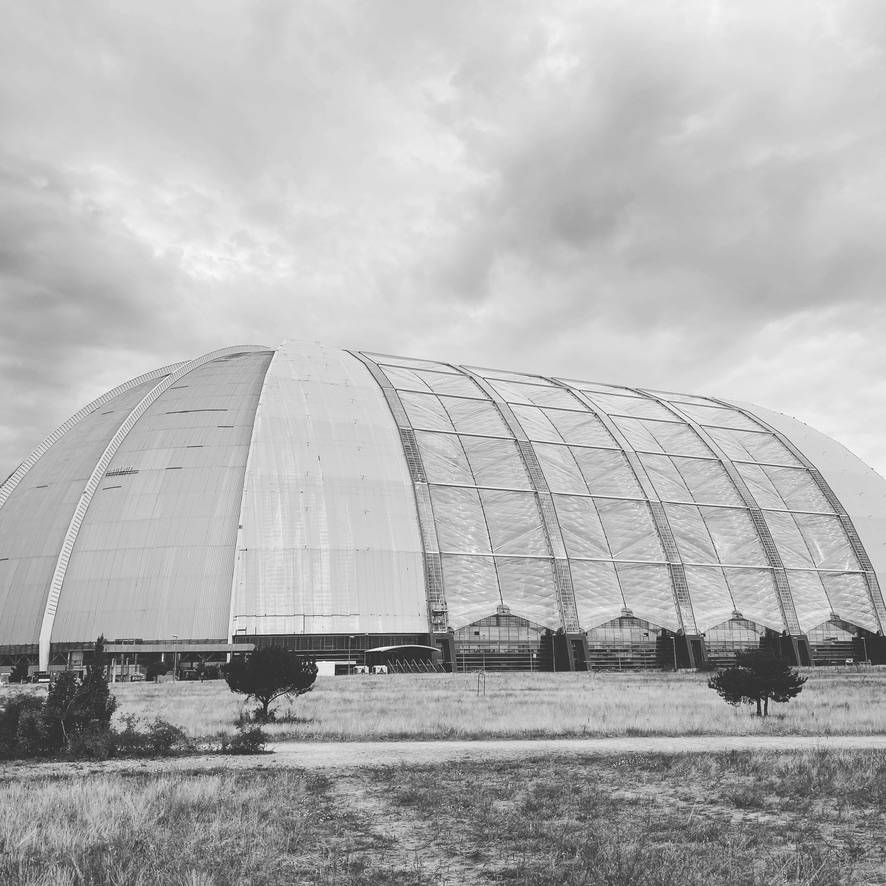
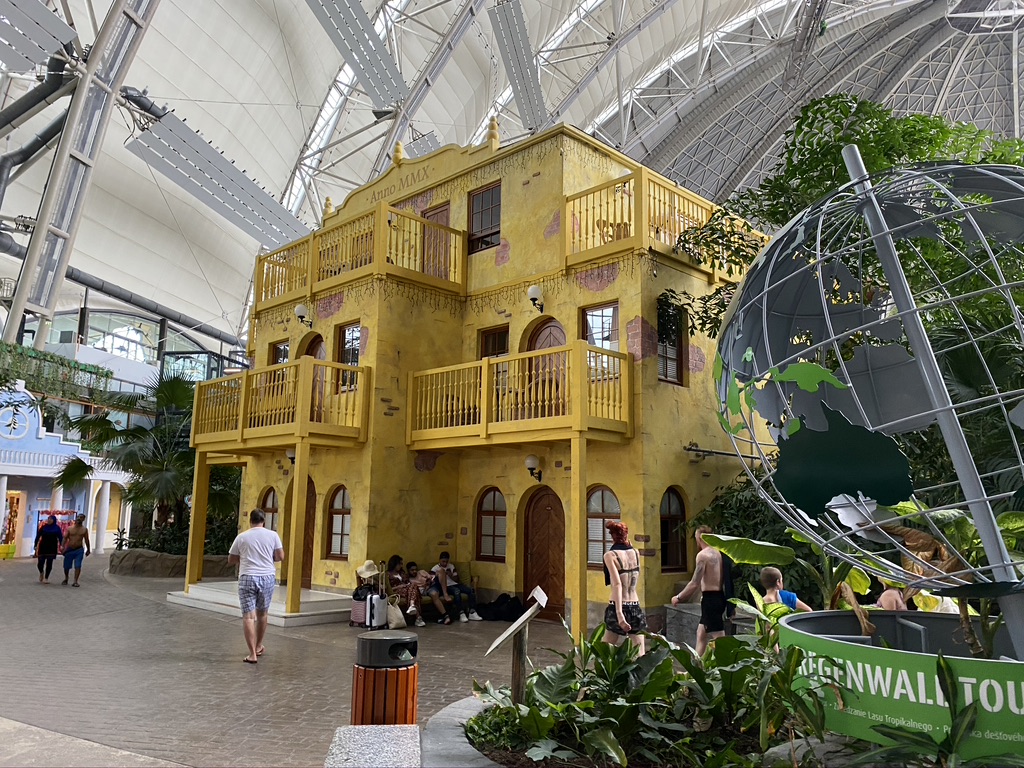
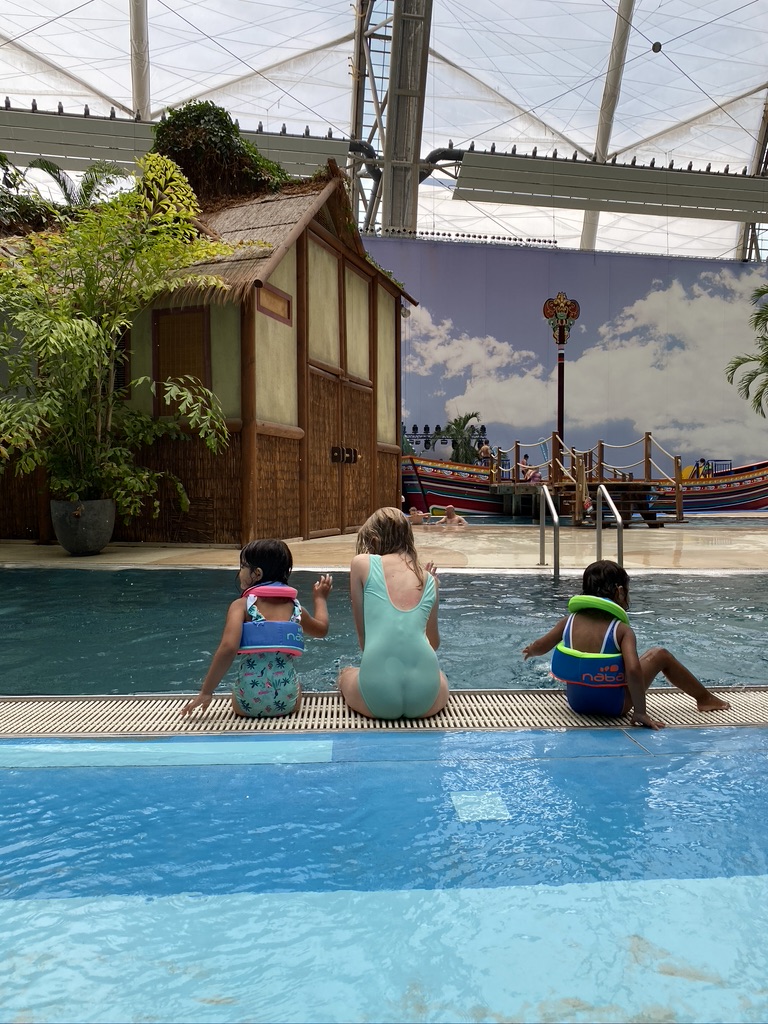
Then we drove to Tropical Islands, reaching the impressive swimming complex in less than an hour. Believe us, it was well worth it. Tropical Islands occupied a former airship hangar, an enormous building measuring 360 metres long, 210 metres wide and 107 metres high. The swimming complex was so large that visitors could stay overnight in cabins or tents. It was unlike most pools we had seen, with several different areas. There was even a rainforest with flamingos and parrots. Further along was a sandy beach. You could use one of the many loungers or put your towel straight on the sand. From the beach, you walked into the pool, where there were plenty of slides for younger children too.
Beside the beach was a lagoon with warmer water, rapids and waterfalls. It really did feel tropical. Outside was another large pool, with a substantial white-water ride, slides and whirlpools. There was something for everyone. Besides all the pools, there was a large indoor playground for younger children. Once they had finished swimming, they could play there. We could easily spend a whole day here, which made it a good alternative when Berlin’s shops were closed.
An evening walk in Berlin
After a day of swimming, we had a little rest at the hotel. I bet the children will shut their eyes on the drive back! As evening fell, we started looking for a good restaurant.
We always combine that with a walk. Potsdamer Platz was an easy walk from the hotel, a busy and famous Berlin square. The war had reduced this area to rubble, leaving an empty expanse. The Wall had run through it too. After the Wall fell, the area became an enormous building site.
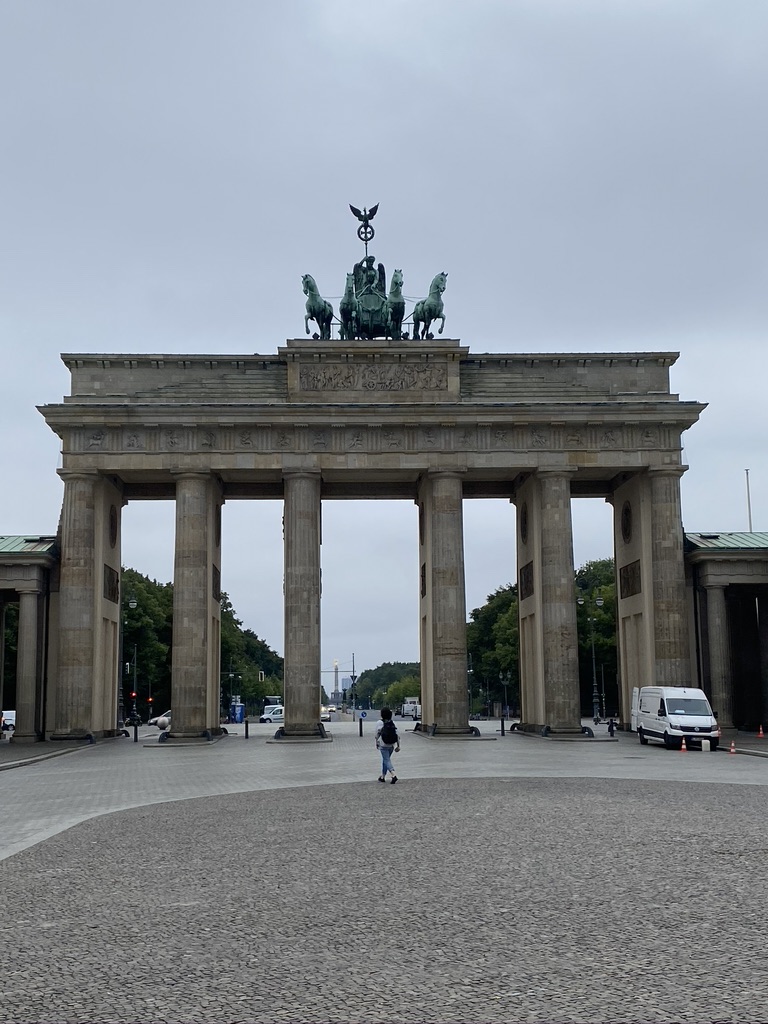
The Sony Center was here, full of shops and places to eat, along with LEGO Discovery for children. It was only a short walk from Potsdamer Platz to the Brandenburg Gate. On the way, we passed the imposing Holocaust Memorial. Its 2,710 concrete blocks varied in height. Walking between them could feel disorientating and isolating, evoking the persecution of Jewish people under the Nazi regime.
Beside the Brandenburg Gate stood the Reichstag, Germany’s parliament building.
Like much of Berlin, it had been bombed. Its glass dome, open to visitors, contrasted with the imposing historic building. From the Reichstag, we walked straight onto Unter den Linden, where it was easy to find a restaurant or a delicious ice cream. The avenue ran from the Brandenburg Gate towards Alexanderplatz. After about 800 metres, we crossed Friedrichstraße, another major shopping street. That was our route back to the hotel. A lovely evening walk, taking in plenty of sights without the huge crowds.
For our last day with the children in Berlin, we booked a vintage tour to see more of the city. Our guide was expecting us at Berlin Cathedral at eleven, leaving plenty of time to walk there after breakfast. The cathedral was impressively large. It was not as old as it might look, though: the present building was constructed between 1894 and 1905.
The cathedral stood on Museum Island in the River Spree. This old part of Berlin was full of museums. Museum Island is a UNESCO World Heritage Site, which was easy to understand. At the time, several museums had recently reopened or were still being restored. Beside the cathedral stood the Altes Museum, which had also served as a backdrop for large gatherings during the Nazi period. It had survived both that period and the GDR.
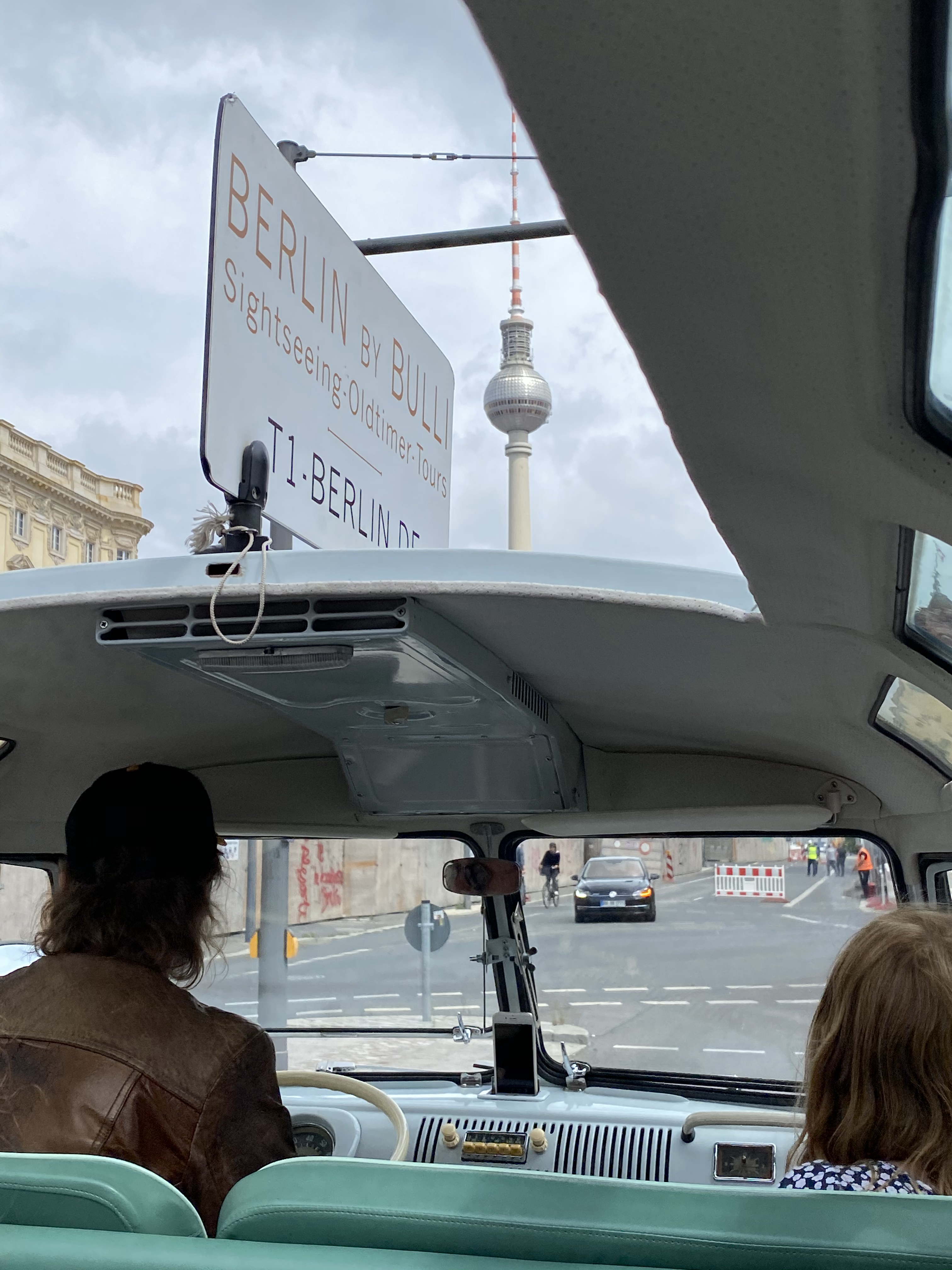
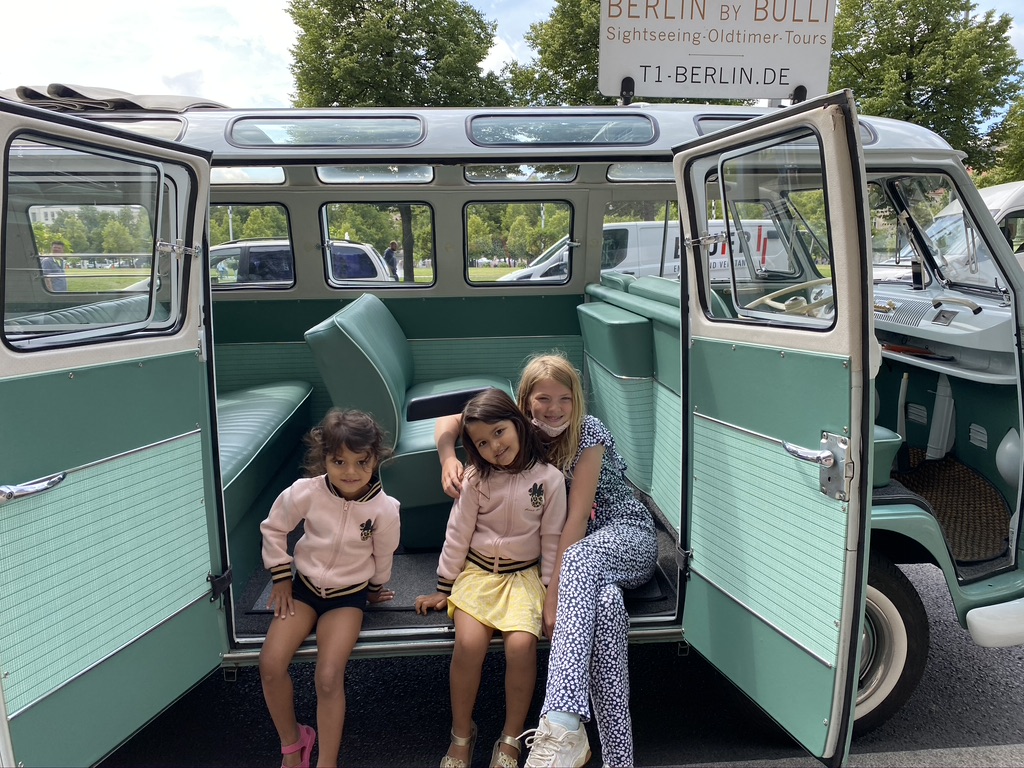
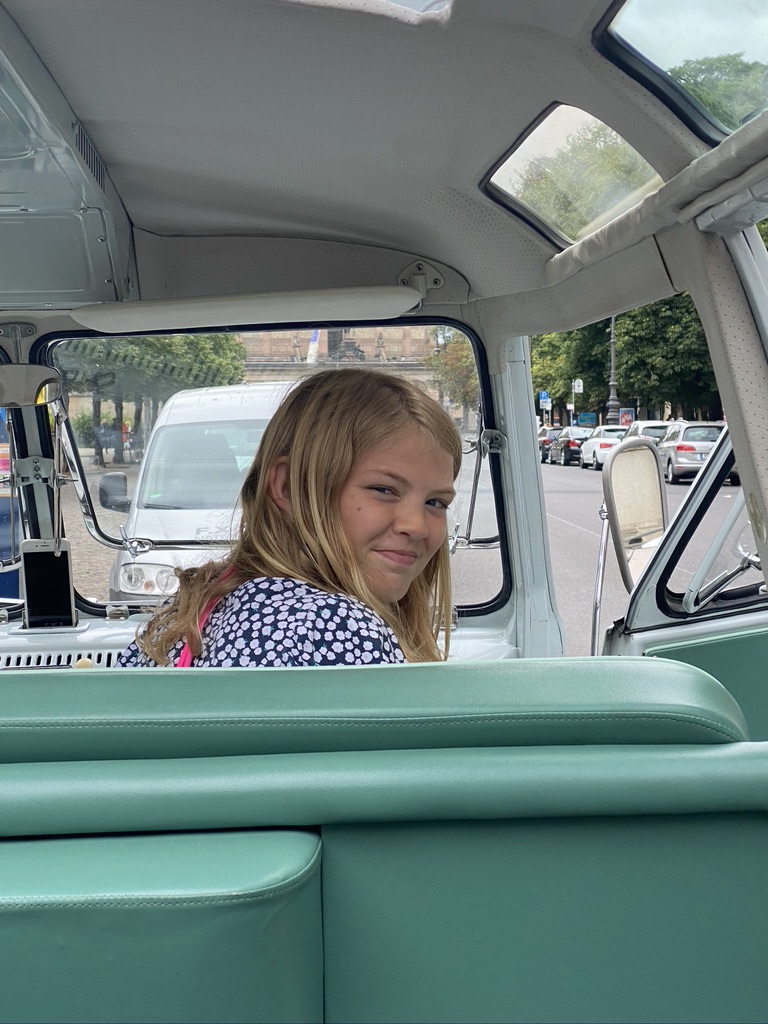
Our guide arrived exactly on time in his Volkswagen Samba bus, our transport for a two-hour drive around Berlin. Everyone knows those VW vans, and what a lovely way to explore with children! I would recommend the tour: a private drive through Berlin, hearing the stories behind its museums, squares and streets. Inevitably, we heard about the city before, during and after the Second World War. We drove through both east and west. Our guide told the story of the Wall beautifully. He was from East Berlin and had witnessed its fall.
Driving through Berlin in this classic van gave us a real sense of how the city had changed. I would recommend it. We booked the tour here, through GetYourGuide. What made it especially good was the guide’s use of photographs. He had made a lovely book with clear images, turning it into a game for the children to find the buildings shown in them.
After the two-hour tour, which actually lasted two and a half hours, we were dropped back at the cathedral. From there, it was a short walk to the Fernsehturm. This 368-metre television tower, around two and a half times the height of our Euromast, gave visitors a wonderful view. The children found it extraordinary. Looking out from the Fernsehturm really showed how large Berlin was. The tower stood at Alexanderplatz, a large square surrounded by shops. Behind it was a railway station and the Alexa shopping centre, with plenty to browse.
I also wrote this article for WeAreTravellers. Read the original Dutch article.
 Our full travel storyA German road trip: a father-and-son journey past castles and beautiful landscapes
I am making this special road trip with my father, a father-and-son journey that has been on our list for a long time. My father has always loved Germany and its castles, so we decided to explore them together on a drive through the country.
We chose to begin in Cochem, a place that means a lot to both of us. My parents often brought me to this town on the Moselle as a child. It seemed a fitting place to start exploring more of Germany. In our electric BMW iX1, we were ready for a comfortable journey past some of the country’s castles and landscapes.
After a short stop in Maasbree to fully charge the car, we crossed the border into Germany. Our first destination was the town of Cochem on the Moselle, a drive of around two hours. We did not get out in Cochem this time, but wanted to include it on our route because of what it meant to us.
Cochem is known for its half-timbered houses, narrow streets and, above all, the imposing Reichsburg Cochem, a medieval castle towering above the town. Its origins date to the eleventh century, and it offers a wide view of the Moselle valley. Cochem is full of childhood memories for me. My parents brought me here often, which made it a fitting place to begin our road trip through Germany.
If you visit Cochem, the castle is worth seeing, as is a walk through the old streets. They give a good introduction to the region’s history and culture.
Website: Reichsburg Cochem
Admission price: €8 for adults and €4.50 for children aged 5–17
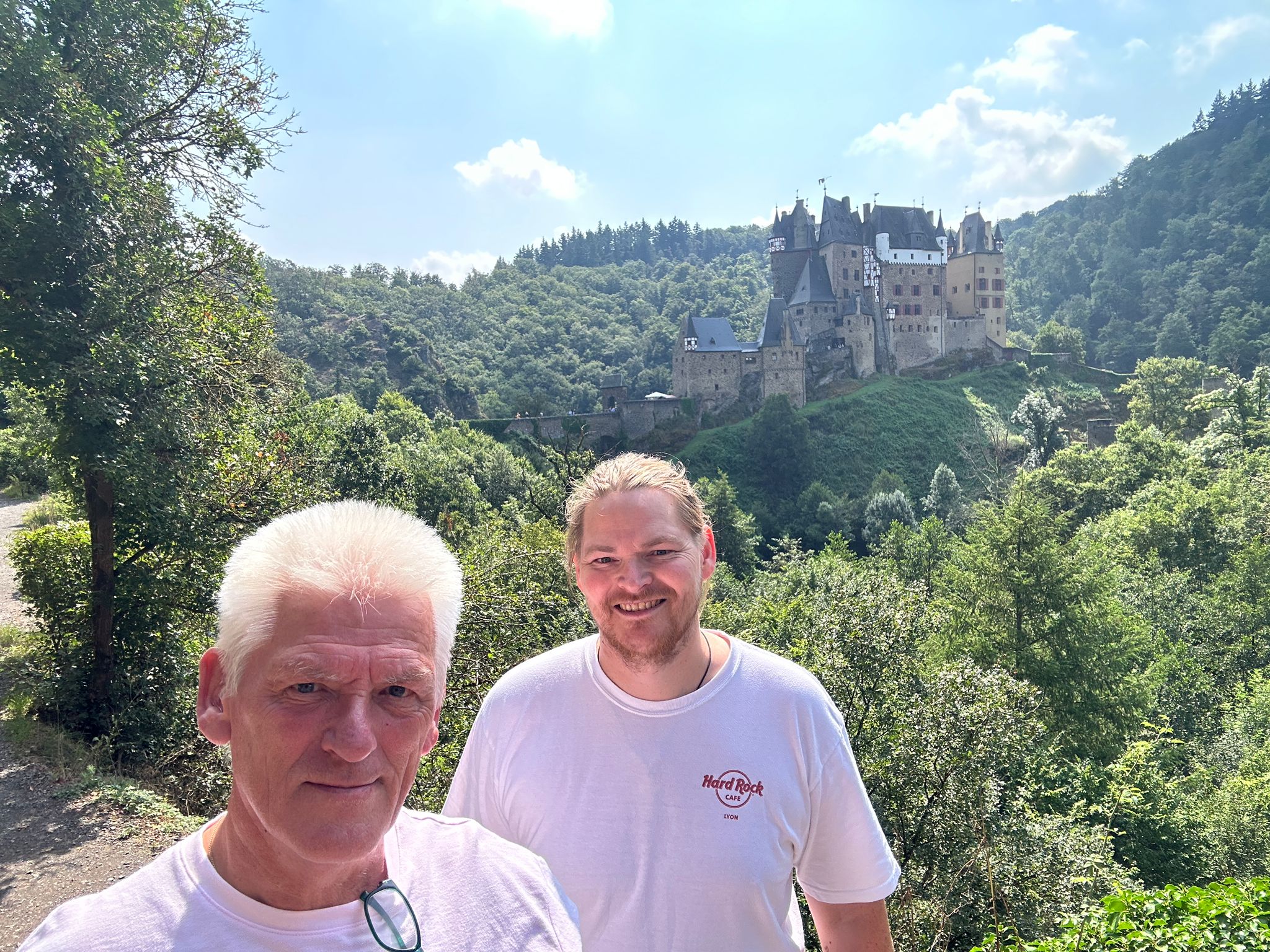
After driving through Cochem, we continued to Burg Eltz, one of Germany’s best-known castles, in a secluded woodland setting. The forty-minute drive took us along winding roads and through dense woods. We parked in the car park, where only cash was accepted. From there, we walked for about twenty minutes along a forest path to the castle. We only admired the outside this time, but the sight of Burg Eltz was impressive enough. Its towers and rooftops rising above the trees made it one of the day’s highlights.
Website: Burg Eltz
Admission price: Admission to the castle was €14 for adults and €10 for children aged 6–16.
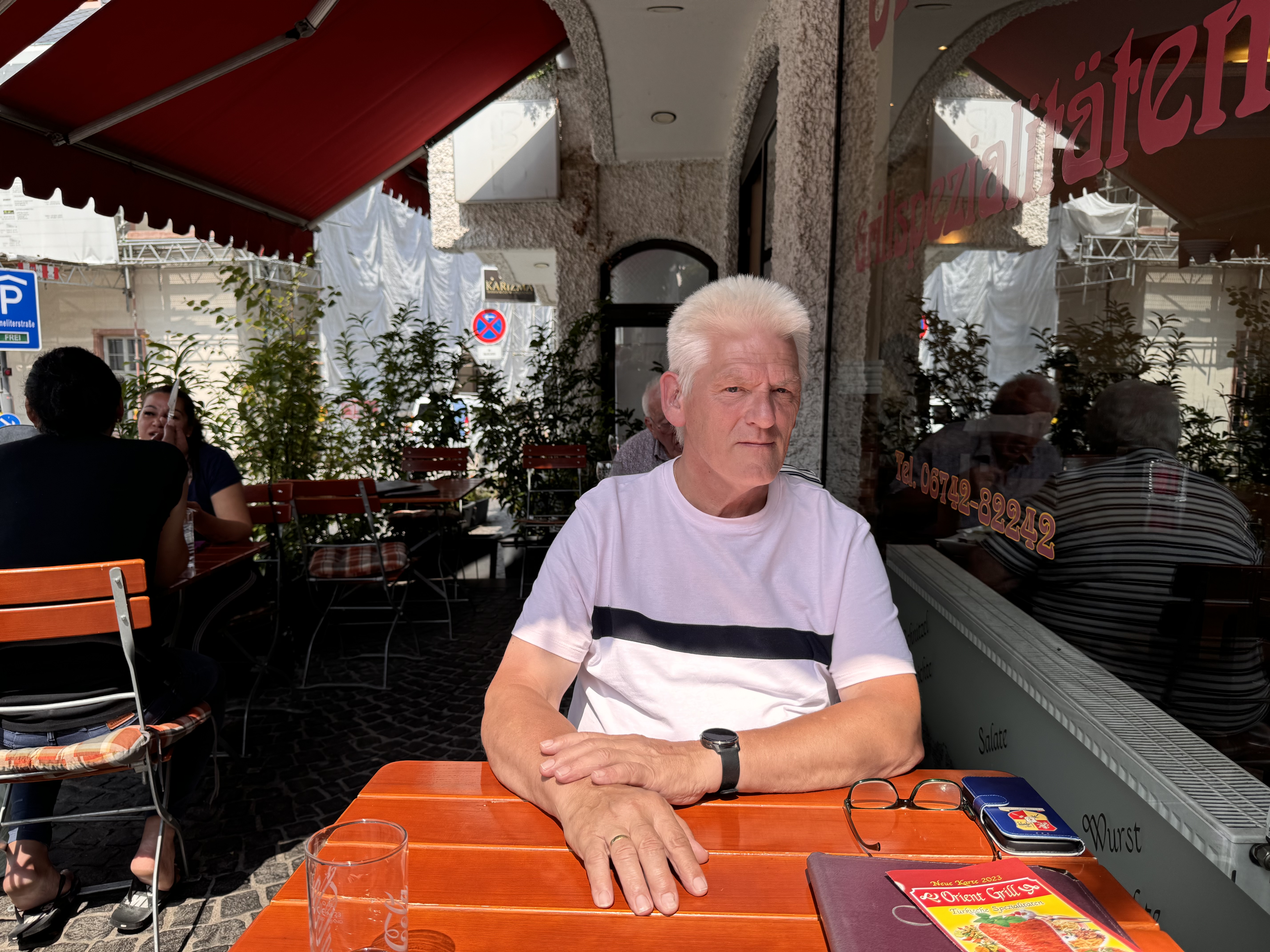
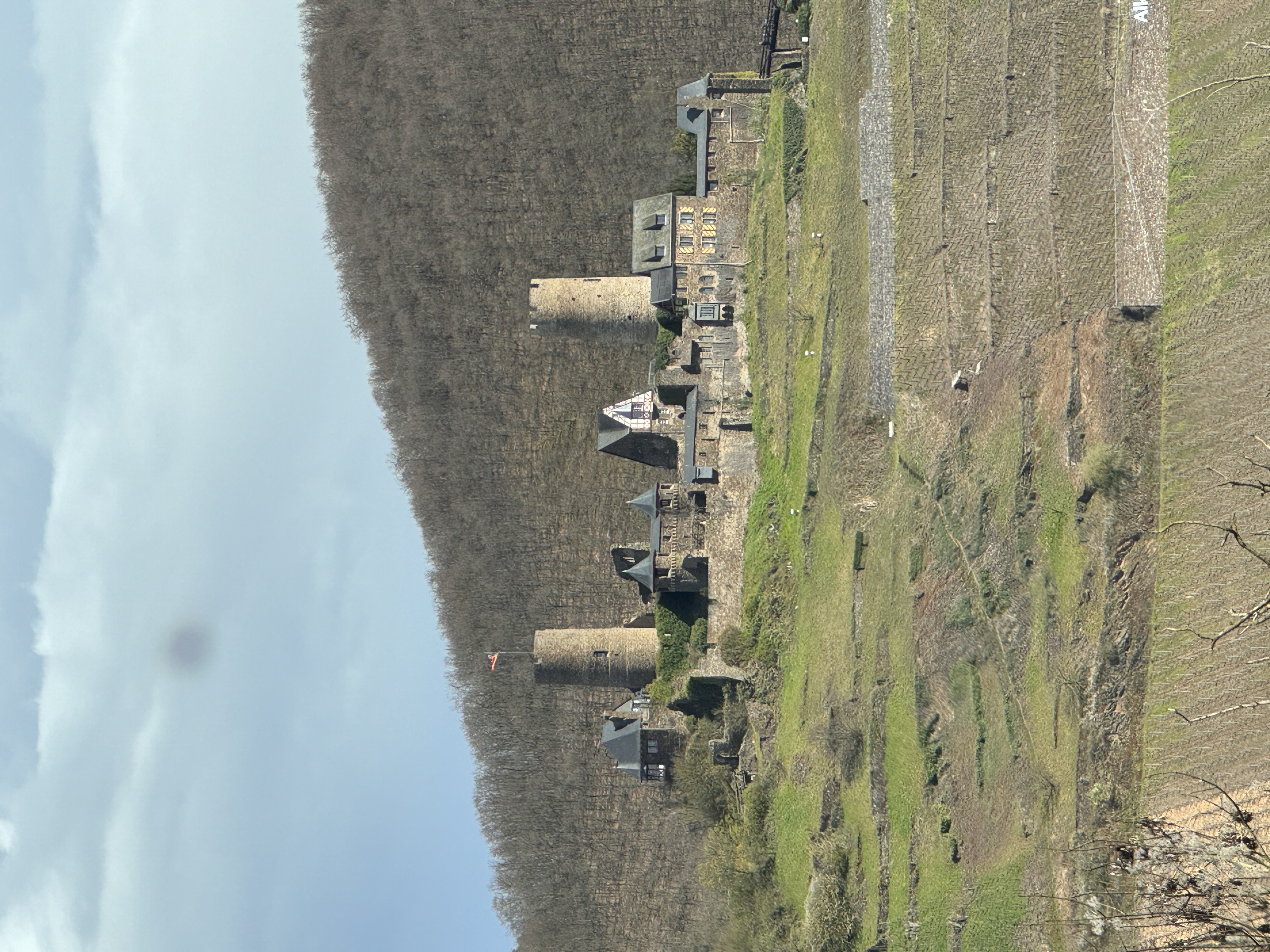
After Burg Eltz, we continued towards Burg Thurant near Alken. Around twenty minutes from Burg Eltz, it was smaller but still impressive. Built in the thirteenth century, Burg Thurant overlooks the Moselle and surrounding vineyards. After a short visit, we continued along the L 207, a forest road through the hills towards Boppard , about half an hour away. We stopped for lunch in this town on the Rhine and chose Orient-Grill, a Turkish place in the centre at Oberstraße 142, 56154 Boppard. While we enjoyed our freshly prepared meal, we used the town’s charging facilities to recharge the car for the next stage.
Website: Burg Thurant
Admission price: €4 for adults and €2 for children aged 6–14
With the BMW iX1 fully charged, we continued along the Rhine towards Mainz. This route is known as the Rhine Castle Routebecause of the many castles along the river. Each has its own character and history. These are some highlights:
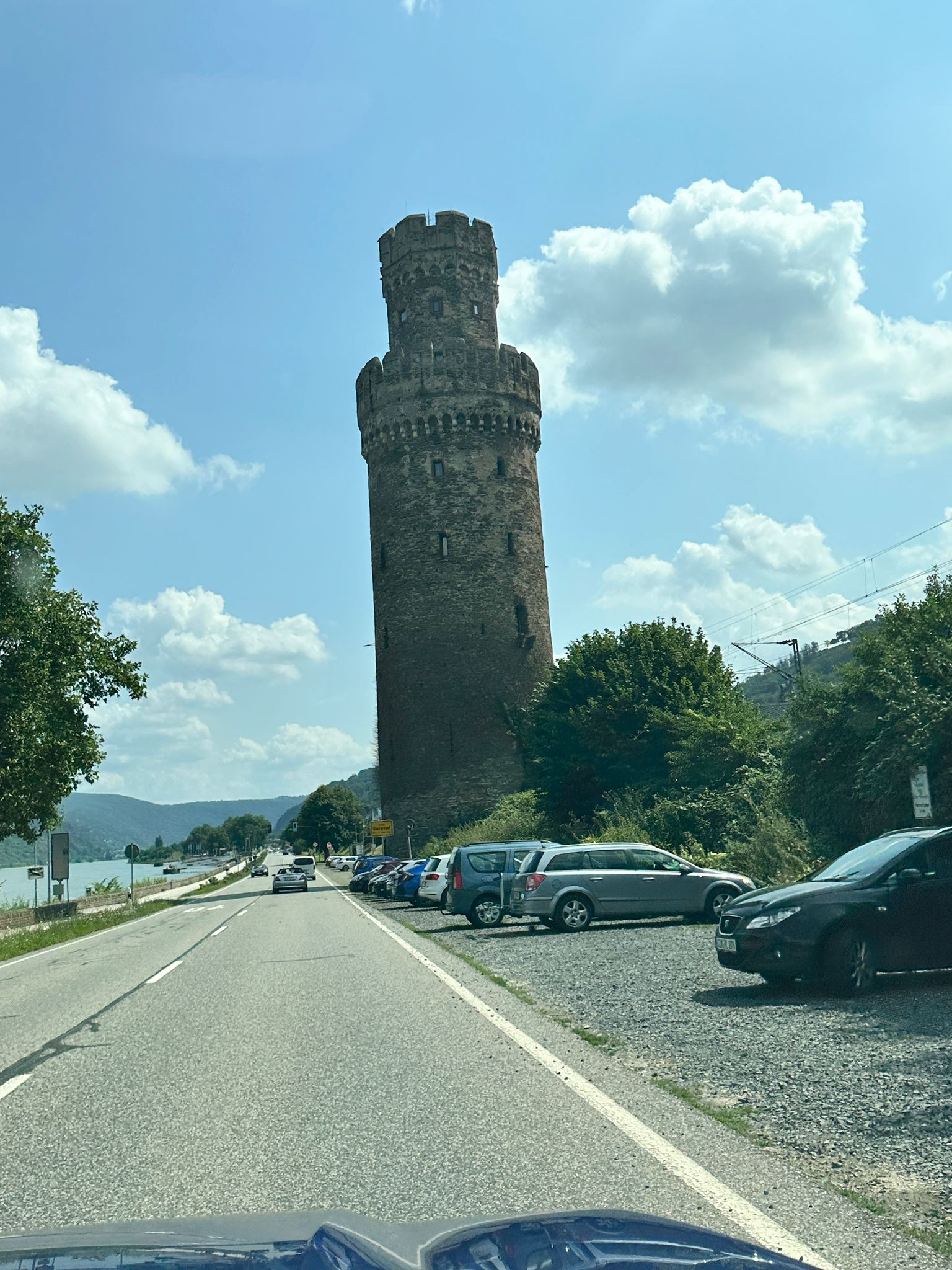
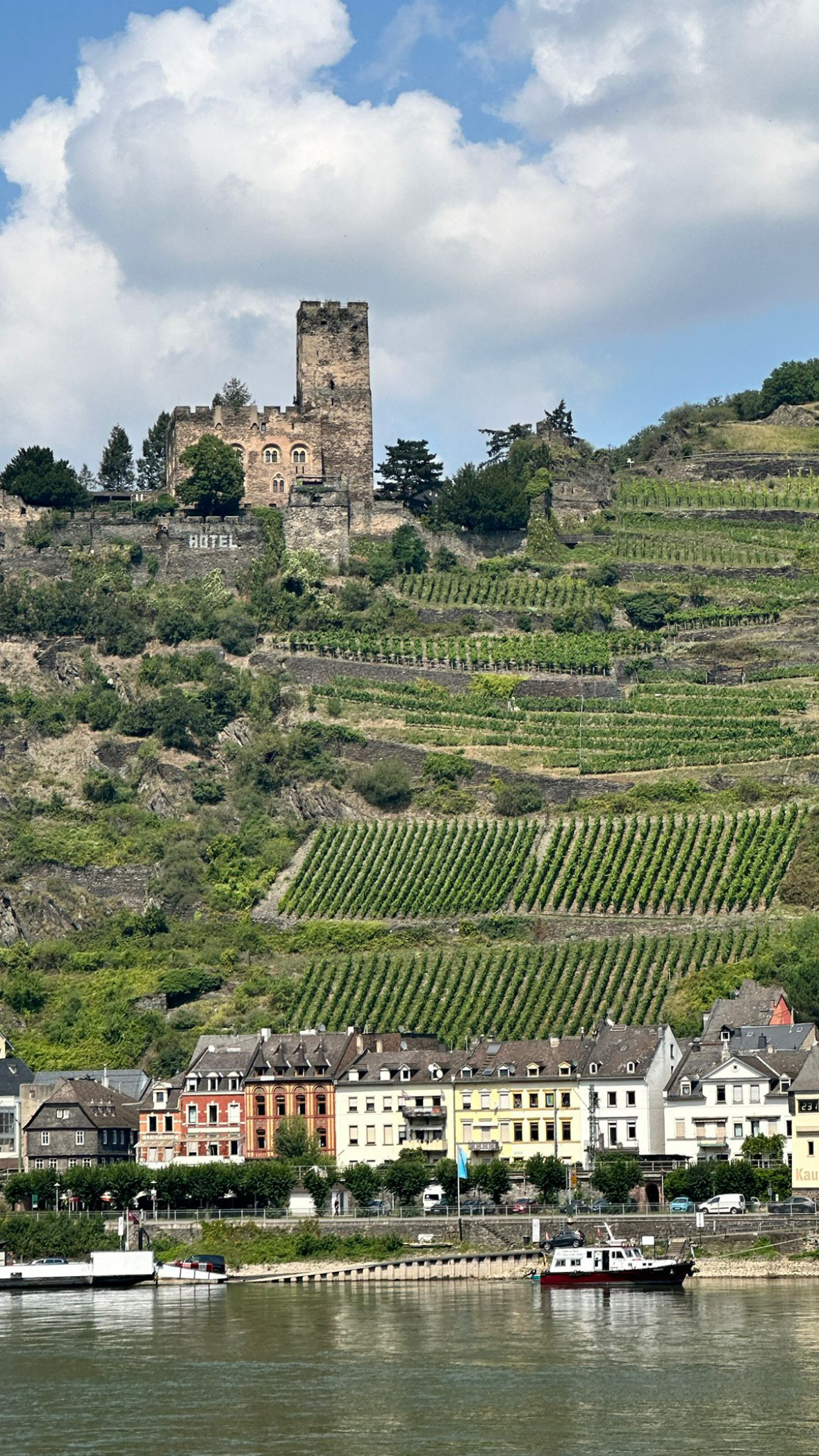
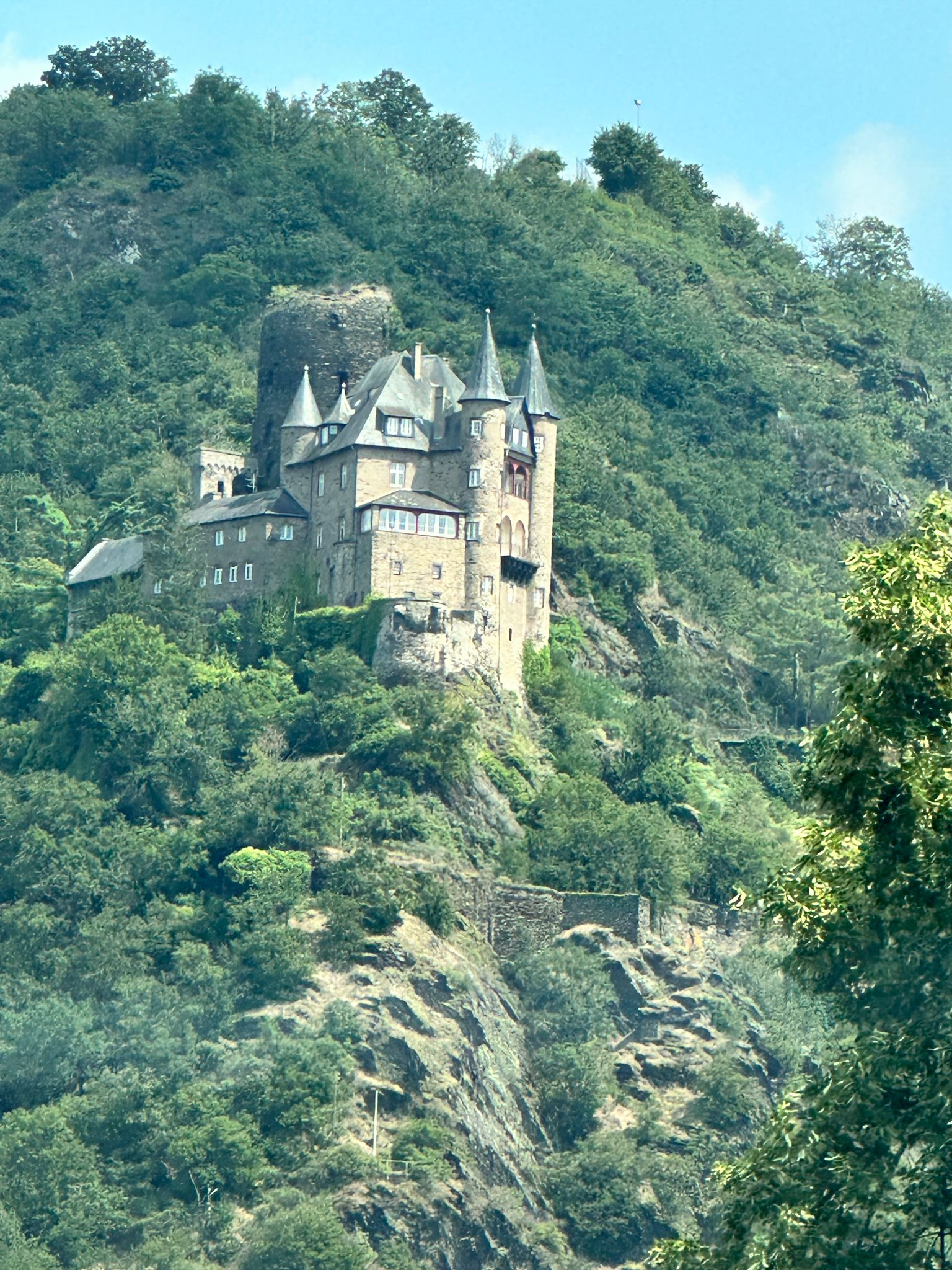
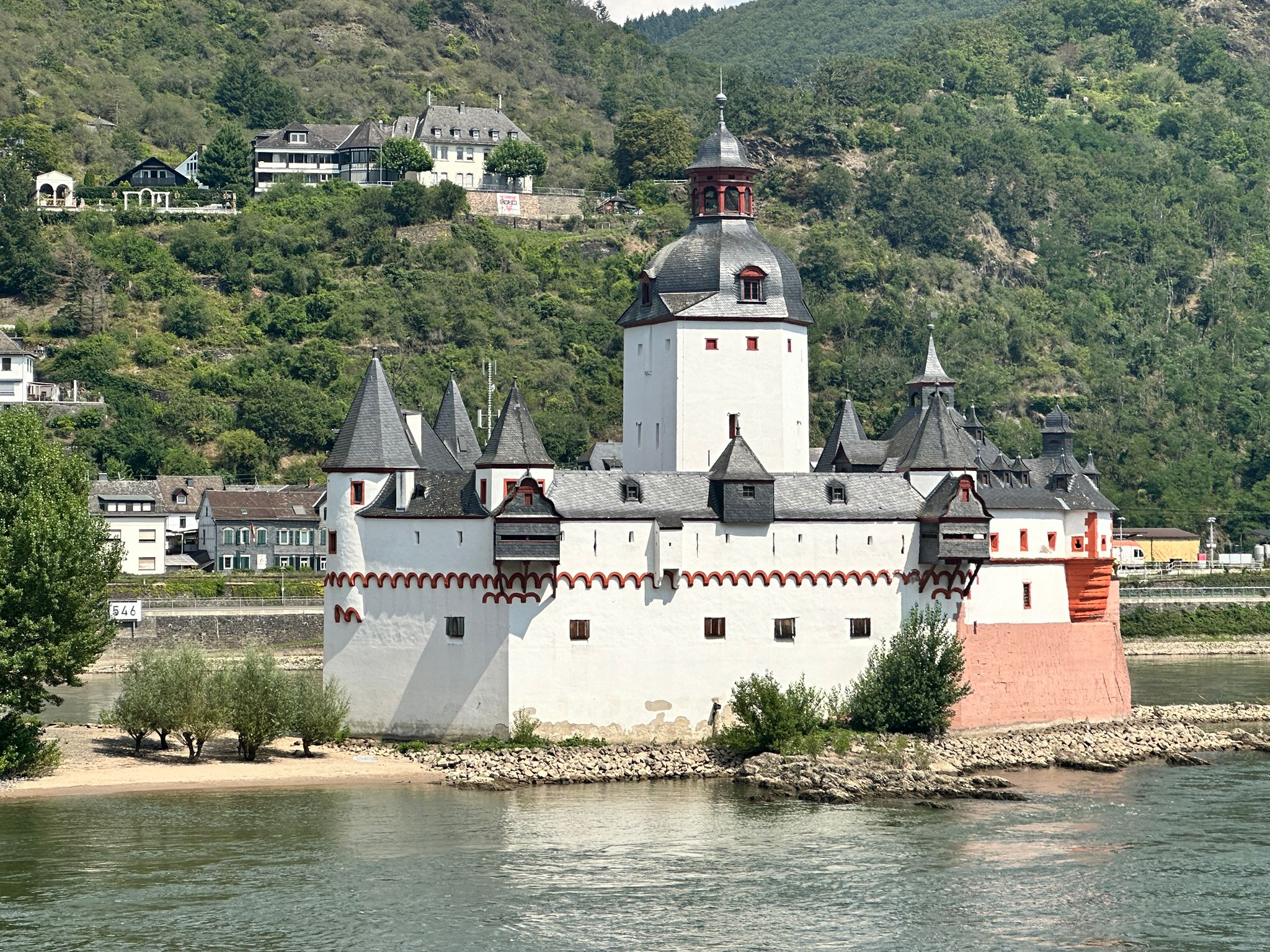
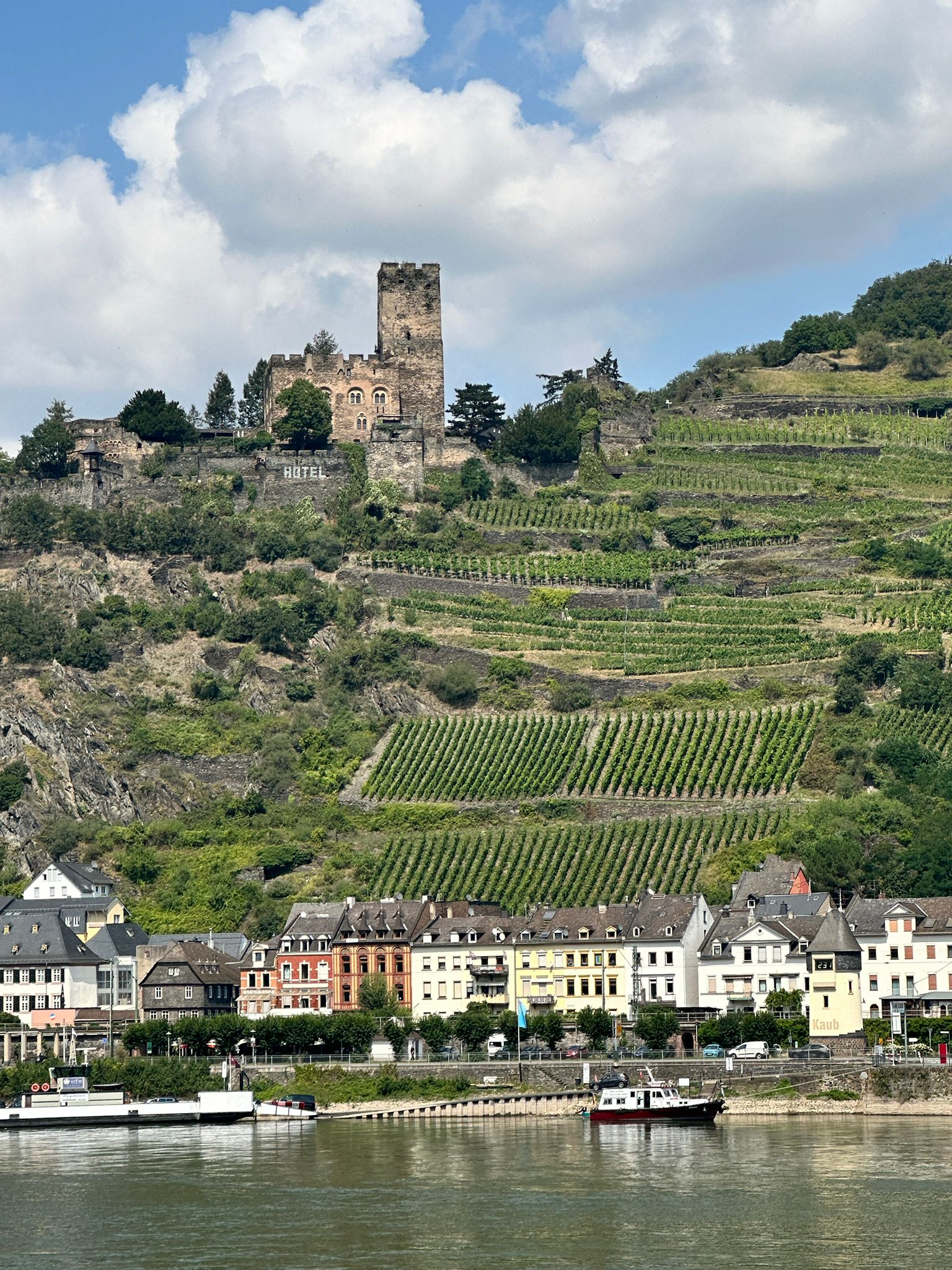
Burg Stahleck: This castle in Bacharach, now a youth hostel, overlooks the Rhine and is a fine example of medieval fortifications.
Admission price: Free access to the courtyard.
Pfalzgrafenstein: A striking castle on a small island in the Rhine near Kaub, formerly a toll station for passing ships.
Admission price: €4.50 for adults and €2.50 for children.
Burg Rheinstein: This fourteenth-century castle on a steep rock is among the well-preserved castles along the Rhine, with gardens and an impressive interior.
Admission price: €7 for adults and €5 for children aged 6–14.
Burg Sooneck: In the UNESCO-listed Upper Middle Rhine Valley, this castle overlooks the river and surrounding vineyards.
Admission price: €5 for adults and €3 for children aged 6–14.
The drive past these castles took about an hour and a half, eventually bringing us to Mainz, a lively city where the Rhine and Main meet.
After a short stop in Mainz, we continued to the famous Heidelberg Castle. The drive to Heidelberg took about an hour through attractive countryside. On arrival, we saw the castle’s imposing outline on the hillside above the city, overlooking the Neckar valley.
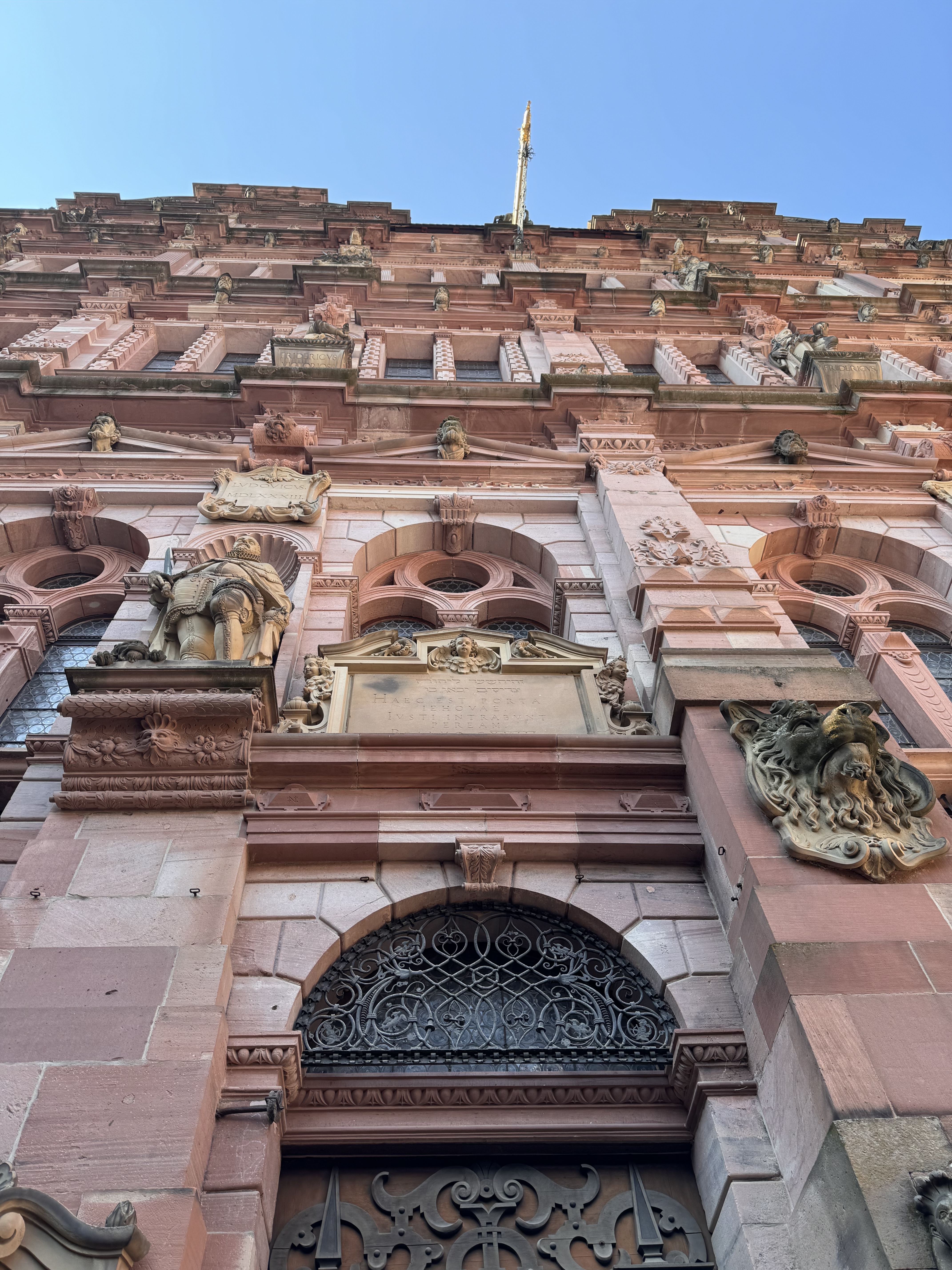
Heidelberg Castle is one of Germany’s most famous ruins. It was once among Europe’s largest and most luxurious castles. Even as a ruin, it draws many visitors. The complex is enormous, with the remains of grand halls and the Great Heidelberg Tun, one of the world’s largest wine barrels.
There are several ways to reach the castle. Parking is available nearby. On foot, you can take the long, steep climb or the staircase of around three hundred steps leading up to its gates. However you arrive, there is plenty of history and architecture to explore.
Website: Heidelberg Castle
Admission price: €9 for adults and €4.50 for children aged 6–14
After Heidelberg Castle, we drove to our final destination for the day: Stuttgart. The drive took around an hour and a half through southern Germany. We chose Stuttgart for its convenient location and the sights in the city.
Our overnight accommodation was ACHAT Hotel Stuttgart Zuffenhausen, a convenient stop when travelling by electric car. It had a charging point, allowing us to recharge the BMW iX1 after our day out. It was also close to the famous Porsche Museum, making it a useful choice for car enthusiasts.
After checking in, we explored nearby and had a good dinner before turning in. Our first day had taken us past several German castles and through beautiful countryside. The electric BMW iX1 had made it a comfortable journey. We were looking forward to seeing more of Stuttgart and its surroundings.
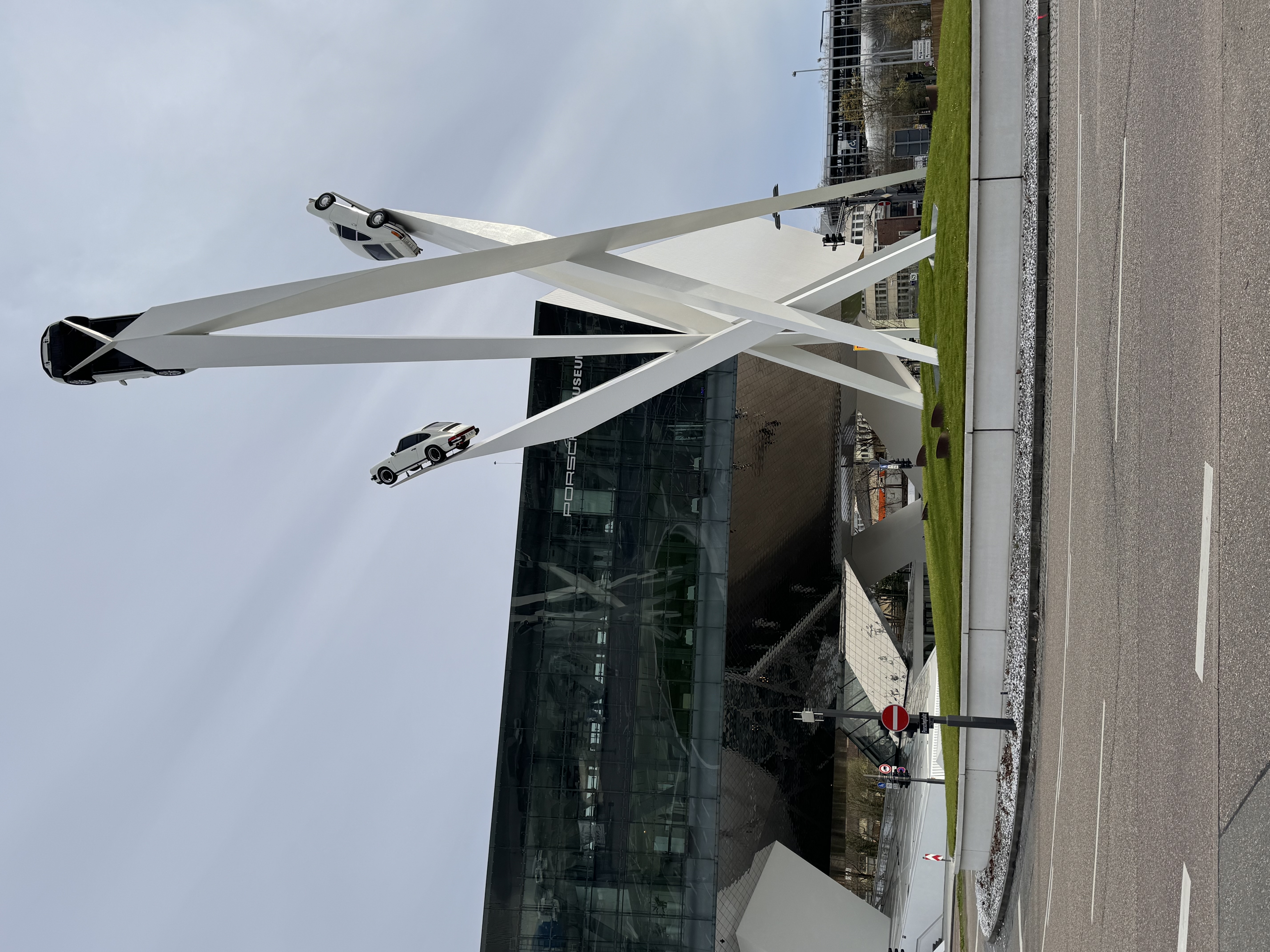
Things to do in Stuttgart
If you have time to explore Stuttgart, these sights and activities are worth considering:
Porsche Museum: For car enthusiasts, this museum traces Porsche’s history through its best-known models.
Website: Porsche Museum
Mercedes-Benz Museum: Another option for car enthusiasts, covering Mercedes-Benz history from its earliest cars to more recent innovations.
Website: Mercedes-Benz Museum
Schlossplatz: Stuttgart’s central square, surrounded by buildings including the New Palace and Old Palace. A pleasant place for a walk.
Wilhelma Zoological and Botanical Gardens: A combined zoo and botanical garden, and one of Stuttgart’s popular attractions.
Königstraße: Stuttgart’s main shopping street, with shops, restaurants and places to watch the world go by.
Weissenhof Estate: An estate of modernist buildings designed by leading twentieth-century architects, including Le Corbusier.
Website: Weissenhof Estate
Stuttgart Television Tower: Visit the Fernsehturm for a panoramic view of Stuttgart and the surrounding region.
Website: Stuttgart Television Tower
La Bamboo: For Sinhalese cooking in Stuttgart, our account recommended La Bamboo, serving Sri Lankan dishes.
Stuttgart offered plenty to explore, from history and culture to technology and architecture. We enjoyed spending time here after our day on the road.
 Our full travel storyGermany road trip, day 2: from Stuttgart to Austria
After a good night’s sleep at ACHAT Hotel Stuttgart Zuffenhausen we began our second day with a walk through central Stuttgart. We started at the main station, Stuttgart Hauptbahnhof, with its imposing façade and modern facilities. From there, we walked to Königstraße, the main shopping street, with its shops, cafés and busy atmosphere.
We also decided to walk past Stuttgart’s Old Castle , now a museum and cultural centre. We admired the historic buildings and surrounding gardens. Our walk continued to Stuttgart Market Hall, an indoor market with local specialities and colourful stalls. The walk gave us a good feel for Stuttgart before continuing to the castles on our itinerary.
After exploring Stuttgart, we drove to our first destination of the day, Lichtenstein Castle. After a short stop in town to charge the car and have breakfast, we set off for the castle, around sixty kilometres and an hour’s drive away.
Stop 1: Lichtenstein Castle, approximately 60 km, around one hour
Our first stop of the day was
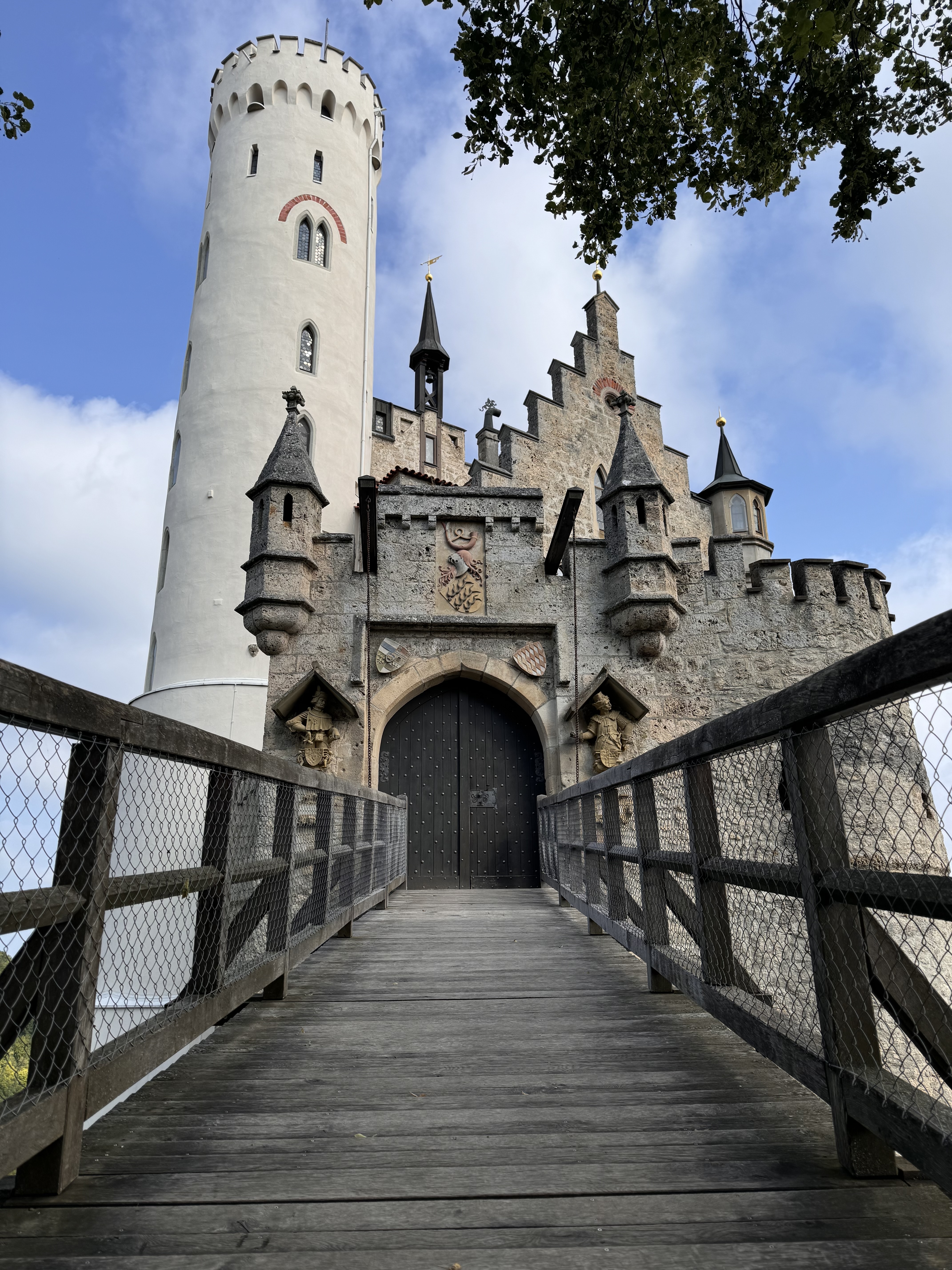
Lichtenstein Castle, around sixty kilometres and an hour from Stuttgart. Known as Württemberg’s fairy-tale castle, it stands on a steep rock overlooking the surrounding woodland and valleys.
Count Wilhelm von Urach had Lichtenstein Castle built in the nineteenth century, inspired by Wilhelm Hauff’s novel Lichtenstein. It is a striking example of Gothic Revival architecture, inside and out.
A guided tour cost more, but access to the courtyard was available for €4. That was a way to see the castle close up without taking the full tour. Inside were historic rooms and elaborate architecture.
Website: Lichtenstein Castle
Admission price: €10 for adults and €7 for children aged 6–17. Courtyard admission was €4.
After Lichtenstein Castle, we drove to
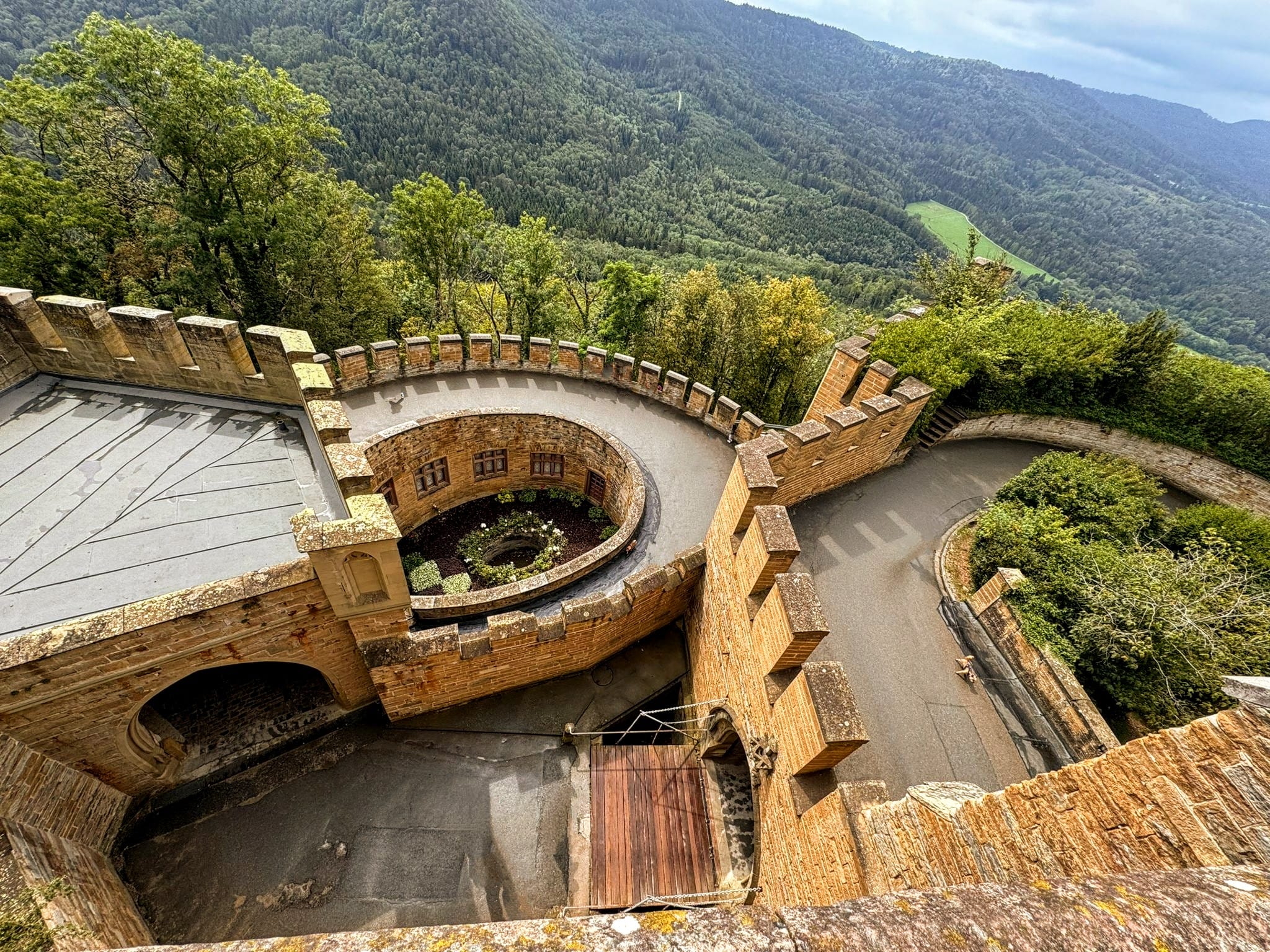
Hohenzollern Castle, around forty-five kilometres away,
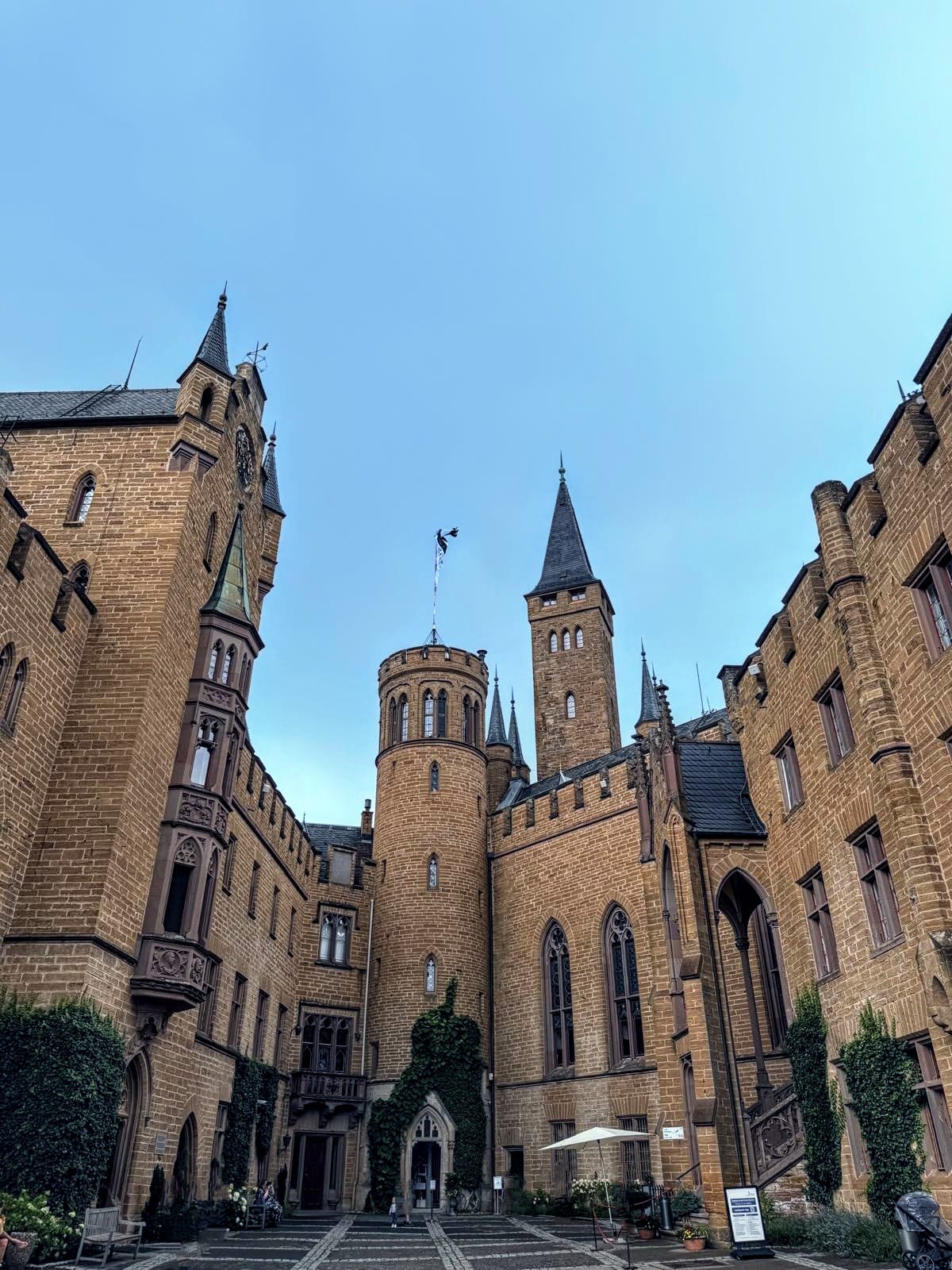
a drive of about forty-five minutes. Hohenzollern Castle stands high on Mount Hohenzollern. It is the ancestral seat of the Hohenzollern dynasty, whose members included Prussian kings and German emperors.
The present castle is the third built on this site and dates from the nineteenth century. Its Gothic Revival architecture includes towers, battlements and richly furnished rooms. During the tour, we learned about the dynasty and saw works of art, crown jewels and other historic objects. The castle also overlooked the Swabian Jura.
Website: Hohenzollern Castle
Admission price: €23 for adults and €10 for children aged 6–17
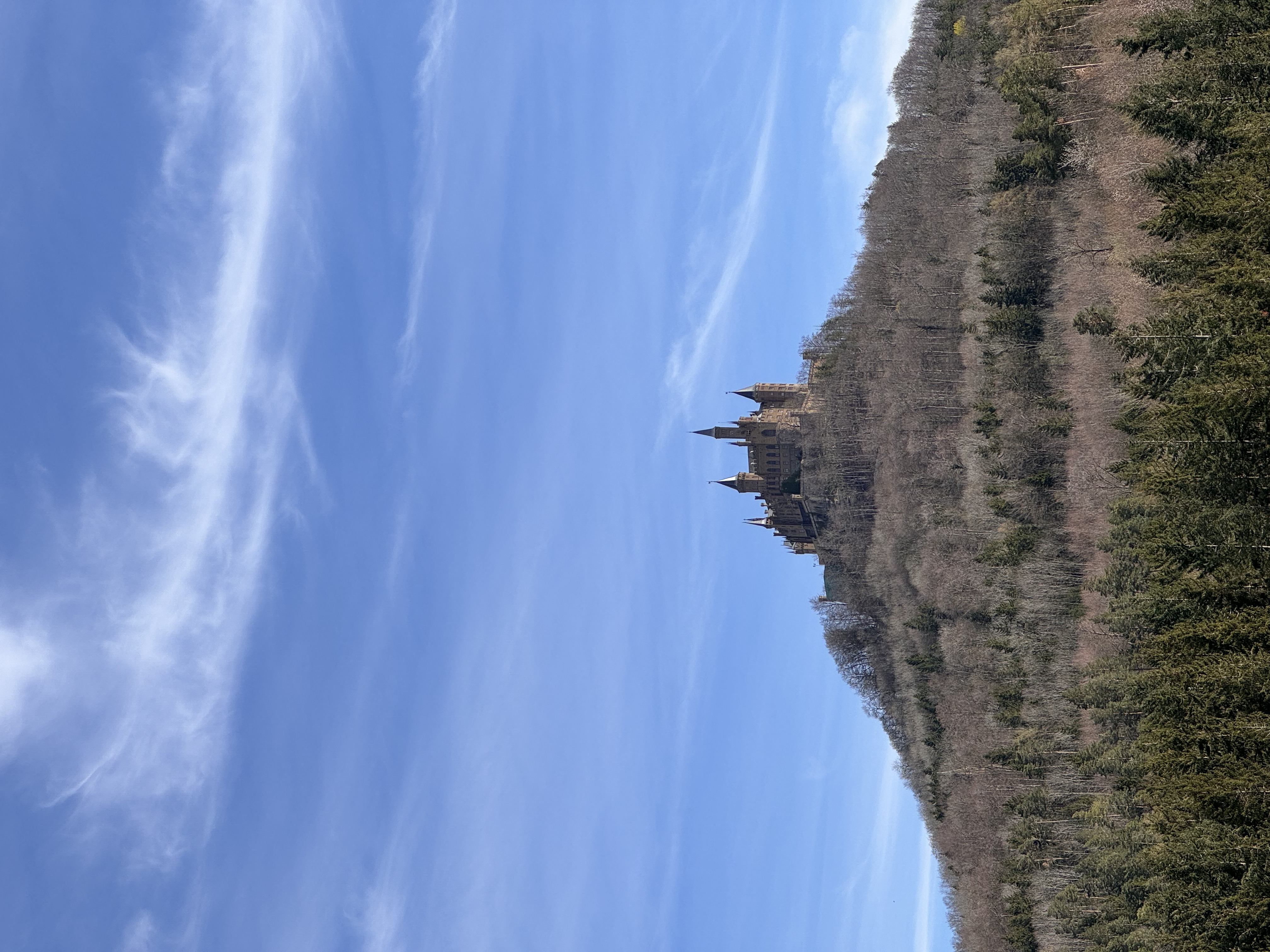
After Hohenzollern Castle, we continued to Sigmaringen Castle, around thirty kilometres and half an hour away. We stopped here for lunch and to learn about the castle’s history. It stands on a cliff above the Danube and is closely associated with the Hohenzollern-Sigmaringen branch of the dynasty.
Sigmaringen Castle has a complex history connected to European conflicts and political developments. We explored its halls and rooms, decorated with art, antiques and historic objects, and looked out over the Danube and the town.
Website: Sigmaringen Castle
Admission price: €12 for adults and €8 for children aged 6–15 for a full guided tour.
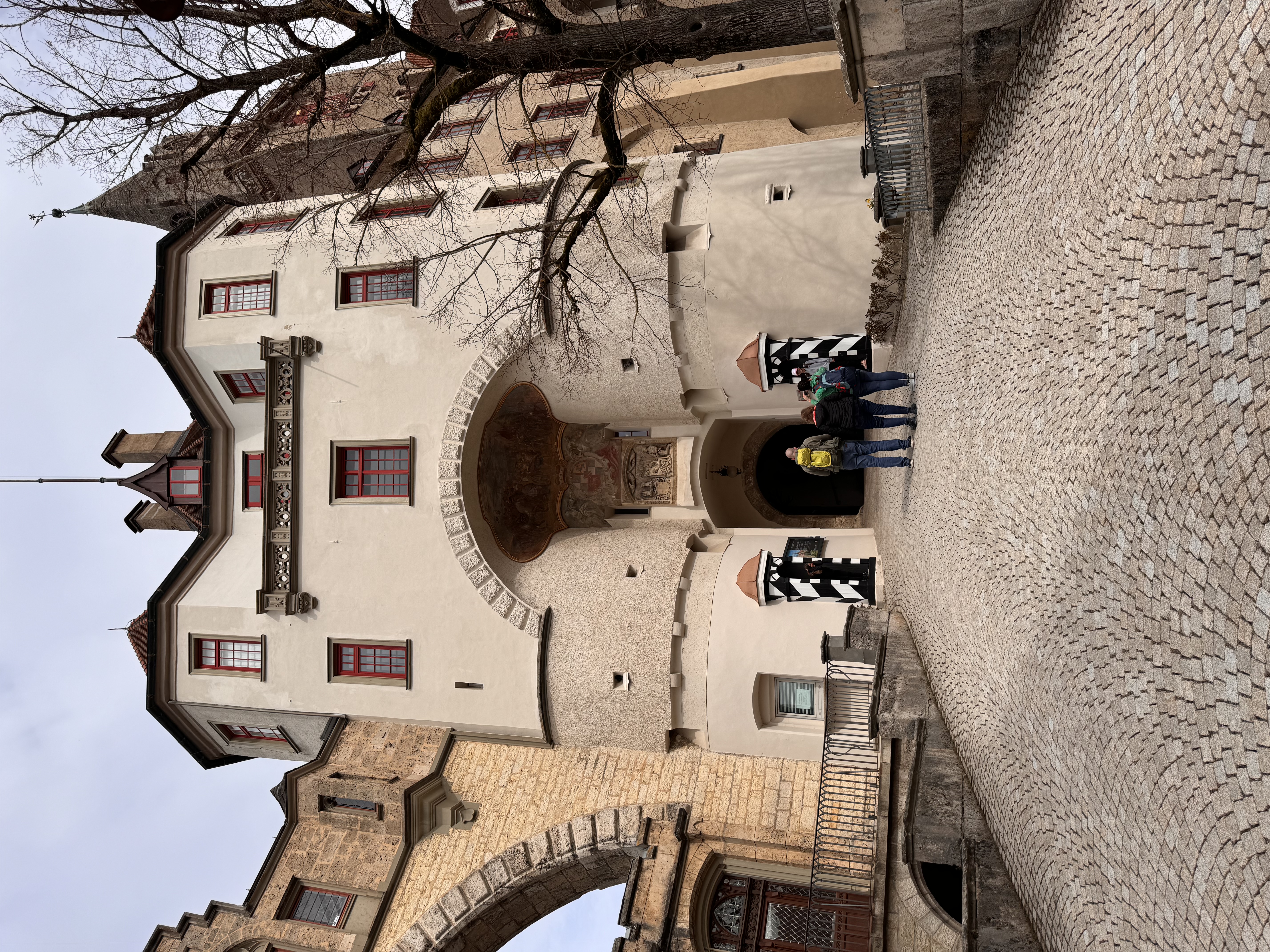
After Sigmaringen Castle, we headed towards Füssen, around 110 kilometres and an hour and a half away.
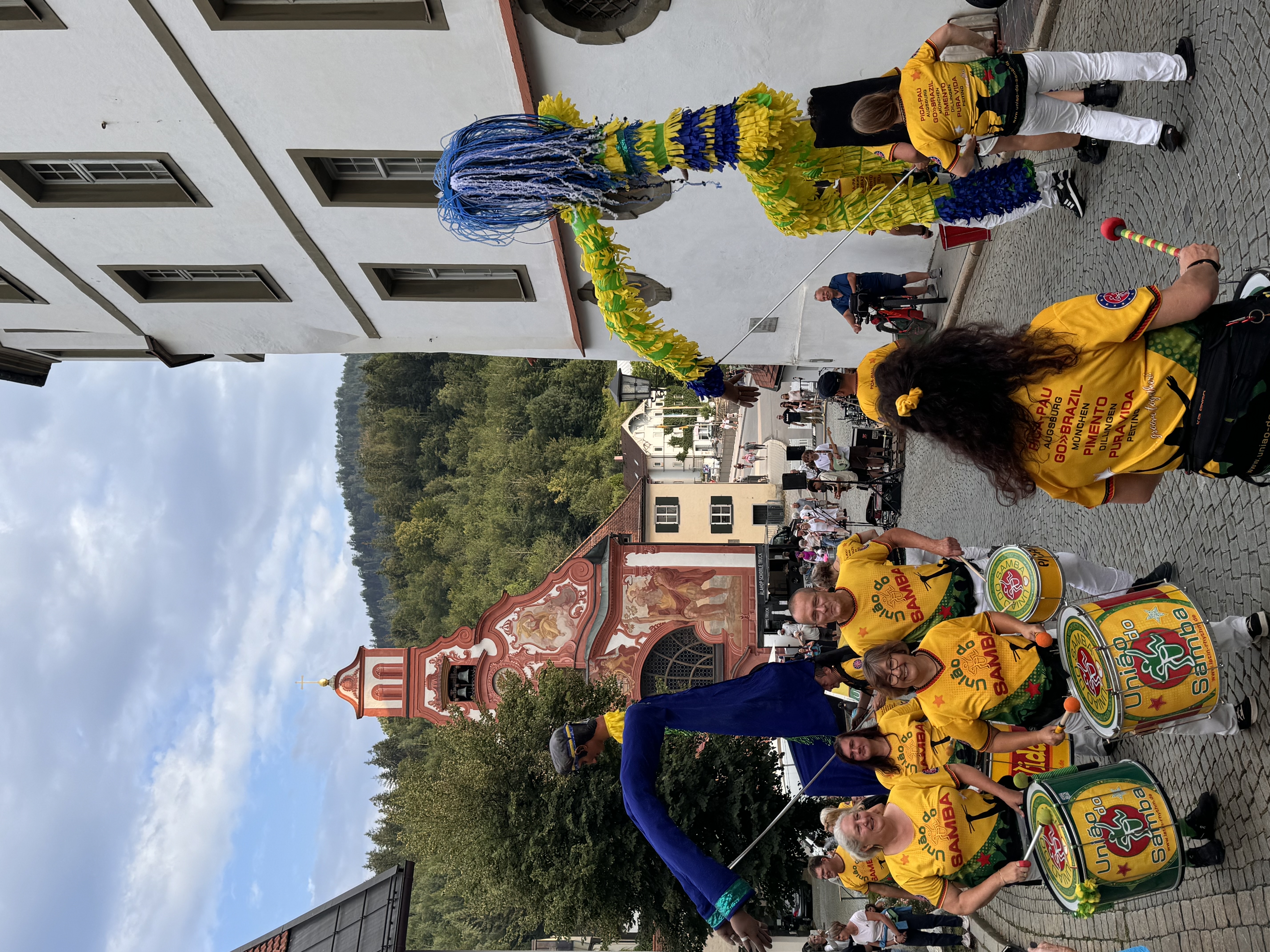
We arrived at around 19.00 and found a festival taking place in the town. There were people everywhere, with music, market stalls and performances. We saw medieval knights and ladies, stilt walkers and a Brazilian brass band marching through the streets. We enjoyed the festivities and had a delicious ice cream. A memorable evening.
We parked in one of the narrowest garages we had ever seen, giving us one last adventure that day.
Final destination: Alpenhotel Ammerwald, approximately 30 km, around 30 minutes
After our day out, we continued to our hotel in Austria, Alpenhotel Ammerwald, around thirty kilometres and half an hour from Füssen. The hotel was surrounded by nature, well away from the crowds. The building was largely made of wood, giving it a warm atmosphere. We could also recharge the BMW iX1 free of charge.
We enjoyed the peace of the Alps and got ready for the next day of our road trip.
 Our full travel storyGermany road trip, day 3: remarkable castles
After a quiet night at Alpenhotel Ammerwald, where we enjoyed
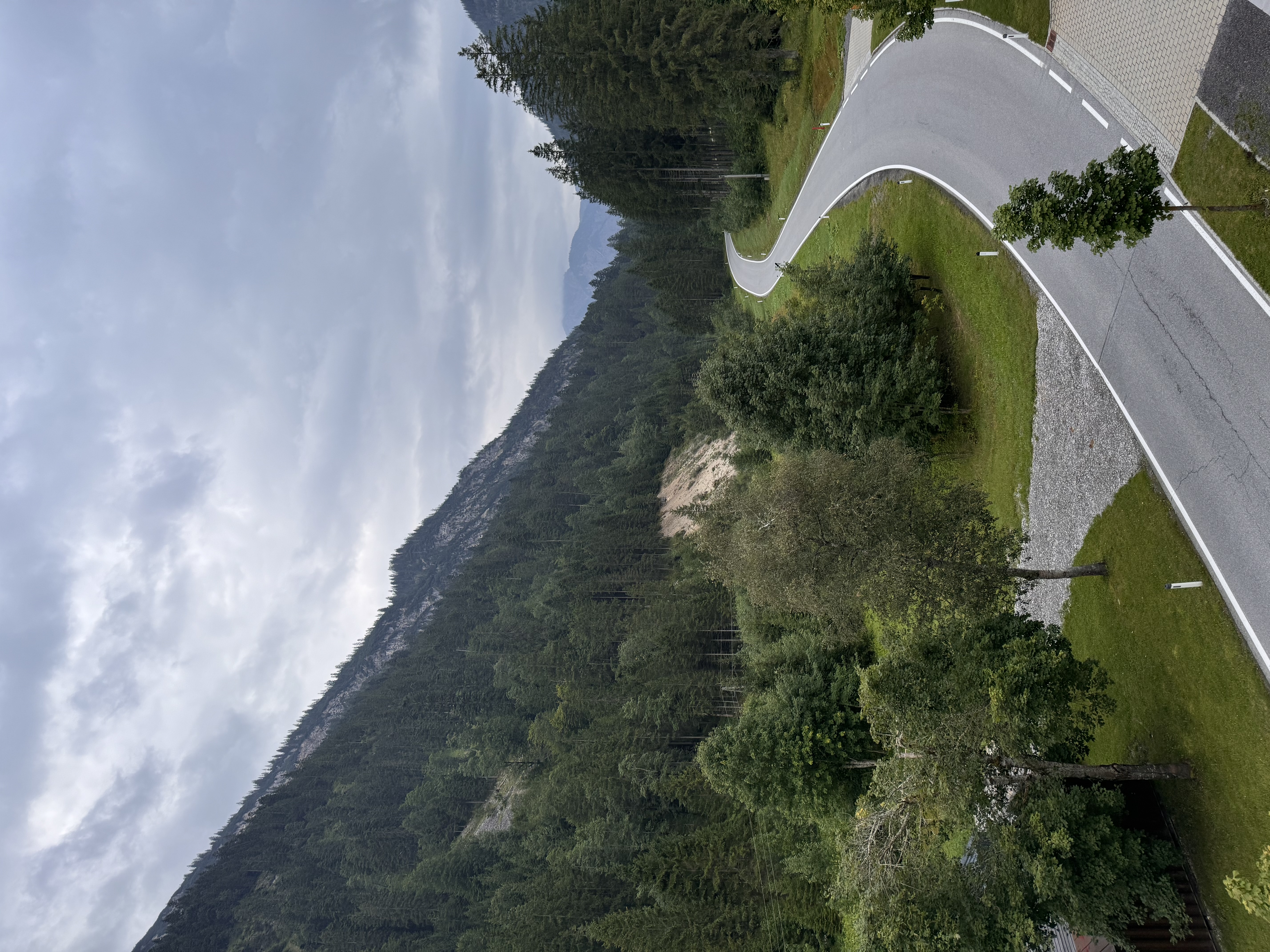
the generous breakfast, pool and modern gym, we were up early for another day on the road. The Alpenhotel was in a beautiful, quiet setting. Breakfast was excellent, with fresh rolls, local specialities and plenty of choice.
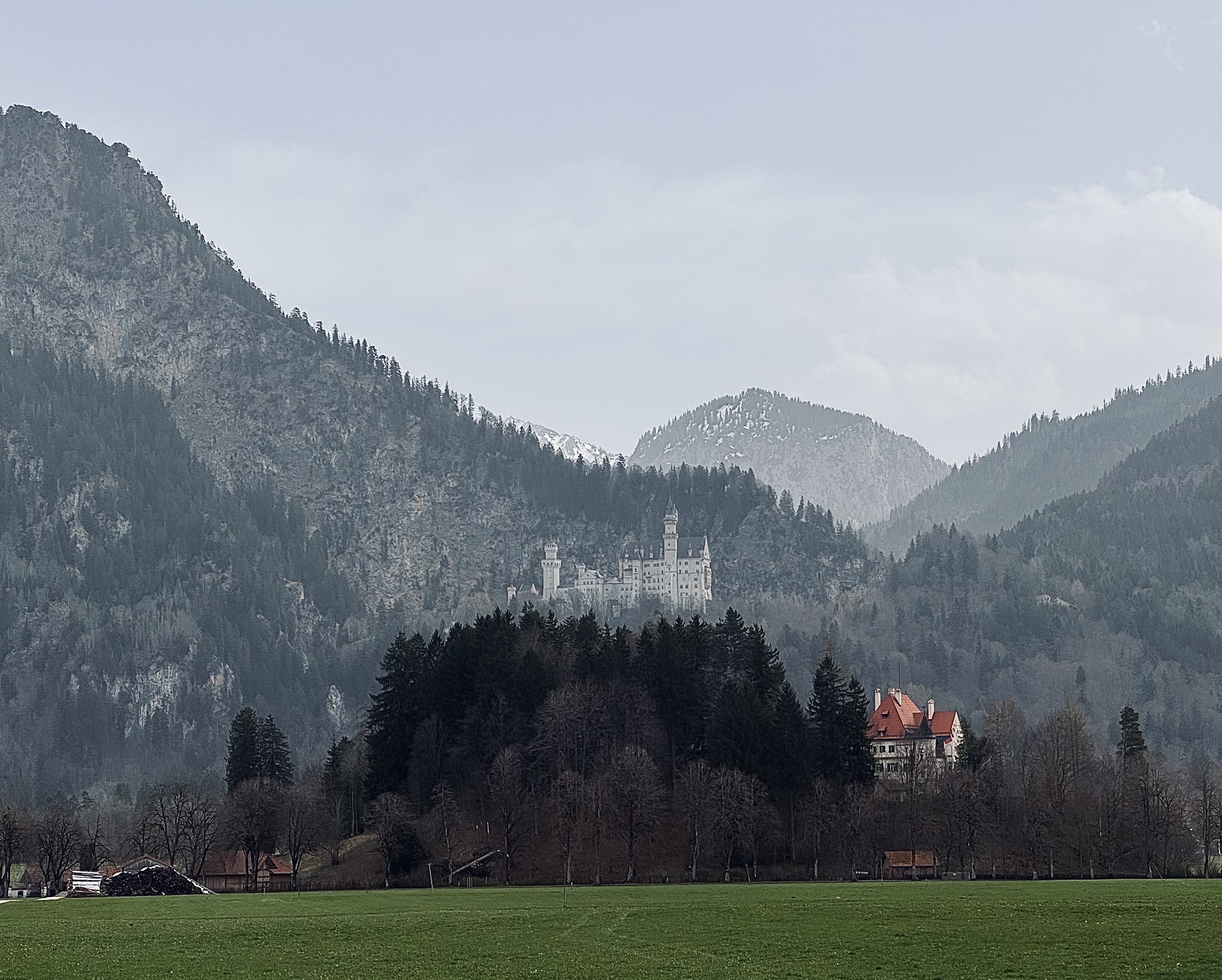
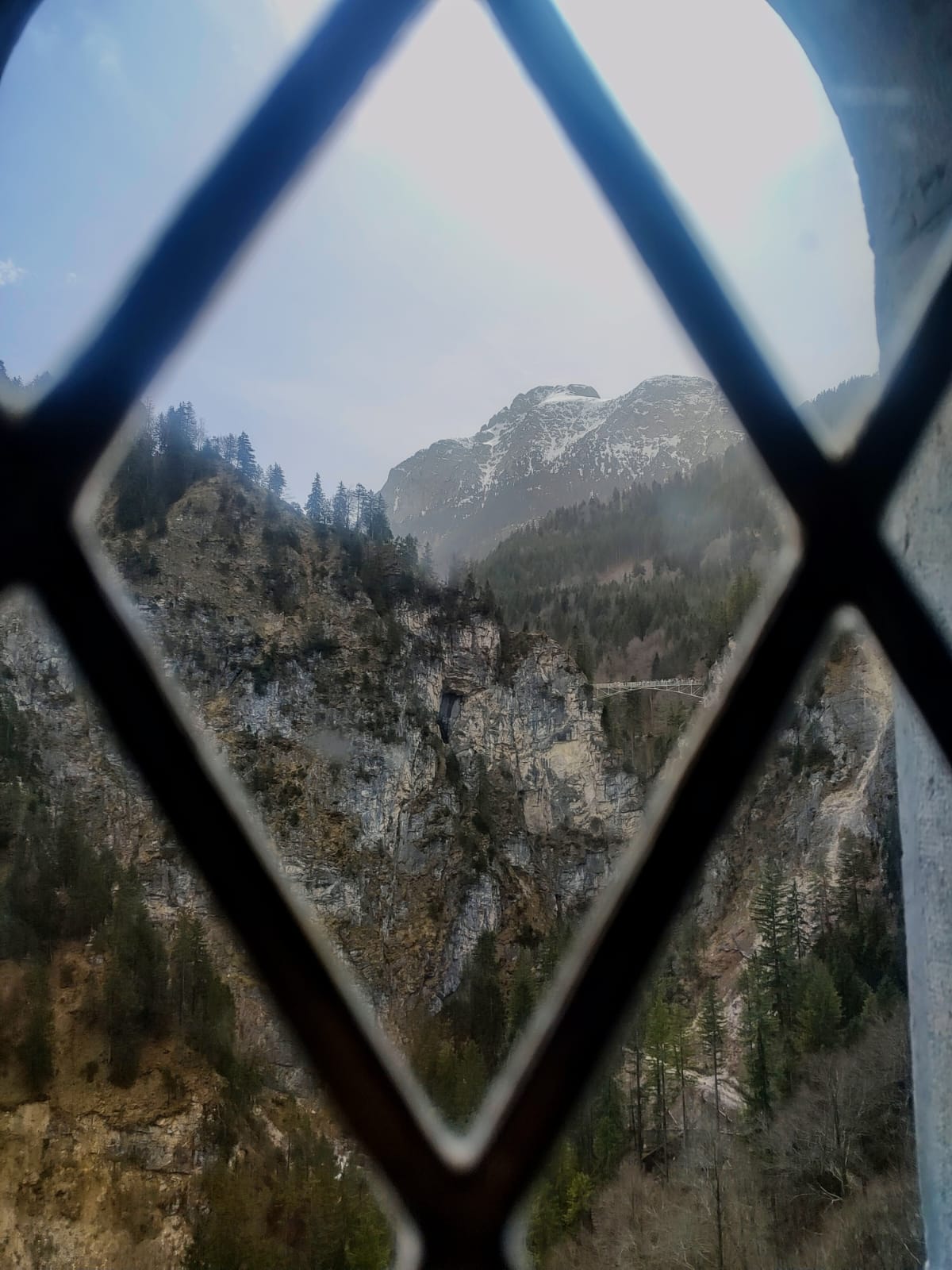
Our first destination was Neuschwanstein Castle, one of the world’s best-known castles. We left early for our 09.05 guided tour in German. Reaching the castle meant a walk of over an hour, quite a challenge for my father, who was almost seventy. I respected his determination and energy. A horse-drawn carriage was available too, but we chose to walk and enjoy the surroundings.
Neuschwanstein Castle was around eighty kilometres and an hour’s drive from the Alpenhotel. Built for King Ludwig II of Bavaria, the castle is famous for its romantic appearance. Construction began in 1869 as Ludwig’s private retreat, inspired by medieval castles and Richard Wagner’s operas. It was never fully completed: Ludwig died in 1886 before the work was finished. It has since become one of Germany’s best-known visitor attractions.
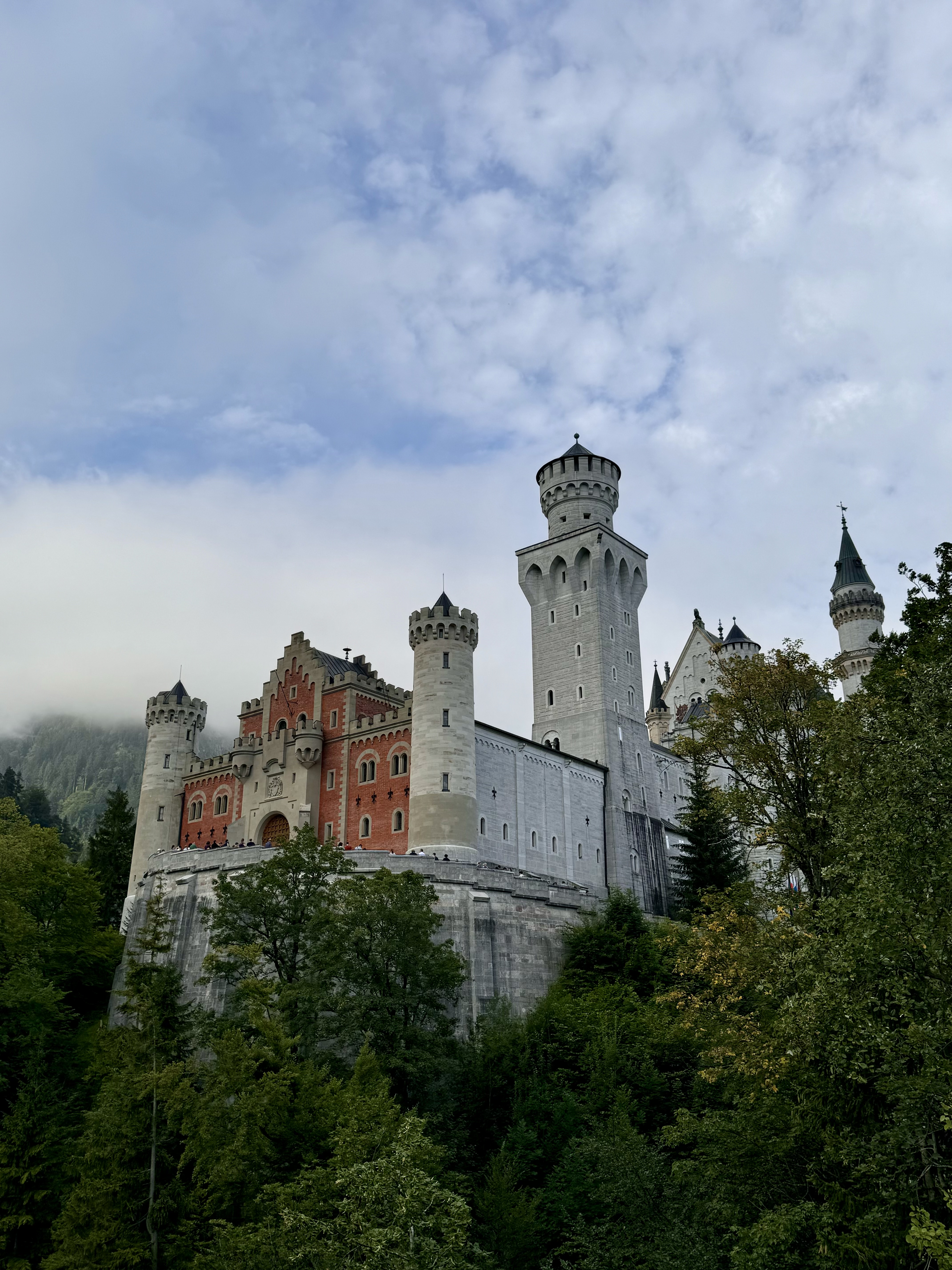
Neuschwanstein combines elaborate historic architecture with rooms that were never completed. The throne room was among its most impressive spaces, with a vaulted ceiling and colourful paintings of religious and mythological scenes. Its design reflected Ludwig’s fascination with religion, history and the arts.
Other completed rooms, including the grand hall, were striking too. The hall
had an ornate ceiling and richly decorated walls. The king’s bedroom, with its intricate artworks and elaborate bed, reflected Ludwig II’s personal tastes.
Ludwig II, sometimes called the Dream King, was fascinated by art and culture and deeply admired Richard Wagner’s music and drama. Born in 1845, he ruled Bavaria from 1864 until his mysterious death in 1886. He often withdrew from public life and devoted his energies to his imaginative castles. Historical and legendary figures inspired him, and he imagined himself as a romantic hero. On 13 June 1886, he was found dead in Lake Starnberg near Berg Castle, along with his doctor. The circumstances of their deaths remain the subject of debate.
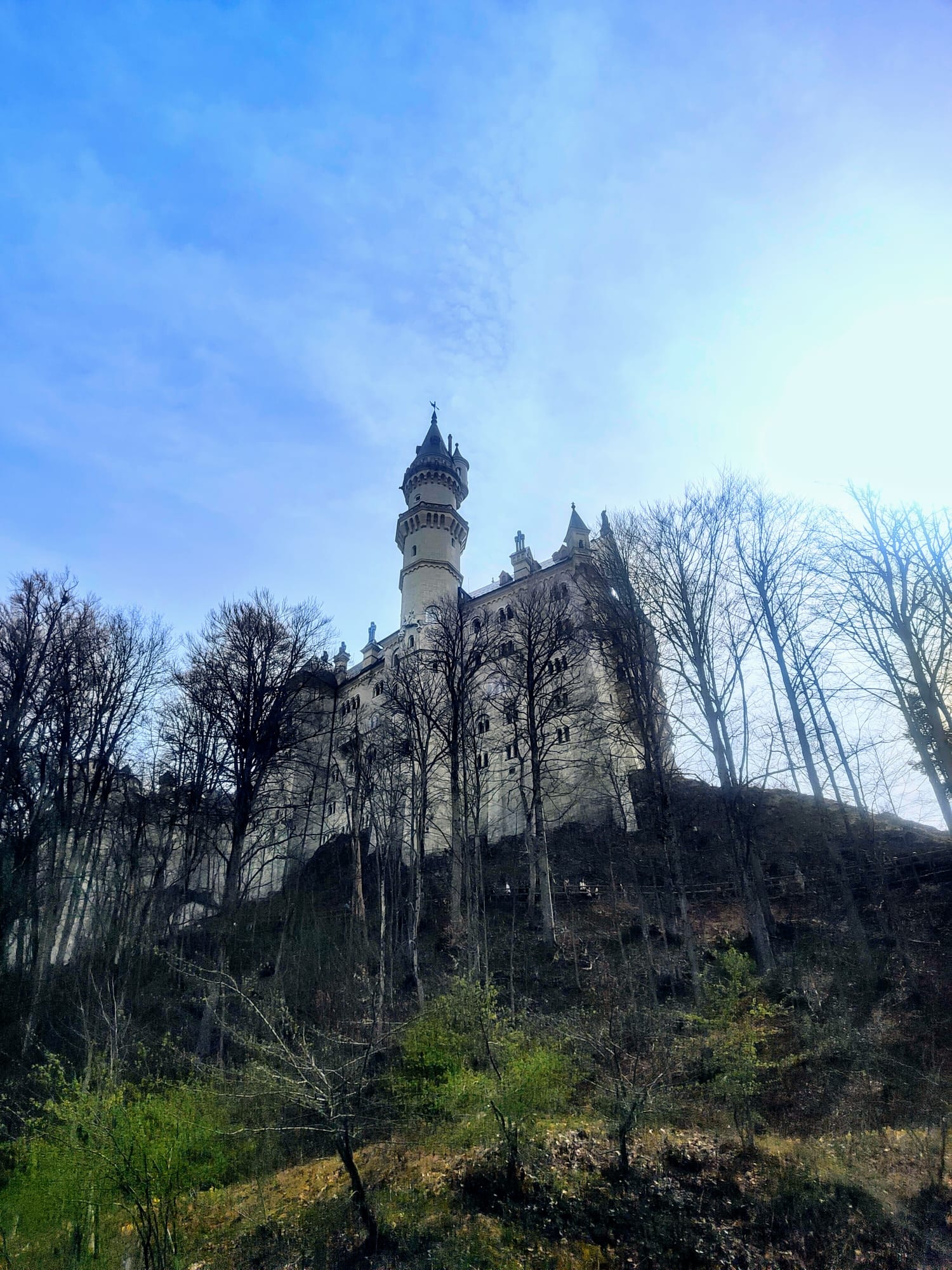
Neuschwanstein’s hillside setting overlooks mountains and lakes. Its romantic appearance and history have made it one of the most photographed castles in the world.
Website: Neuschwanstein Castle
Admission price: €15 for adults, €13 for students and €7 for children aged 6–18. The guided tour was included.
After an hour and a half’s drive, we reached Munich and found on-street charging for the car. We began exploring with a walk to Marienplatz, in the heart of the city.
Marienplatz
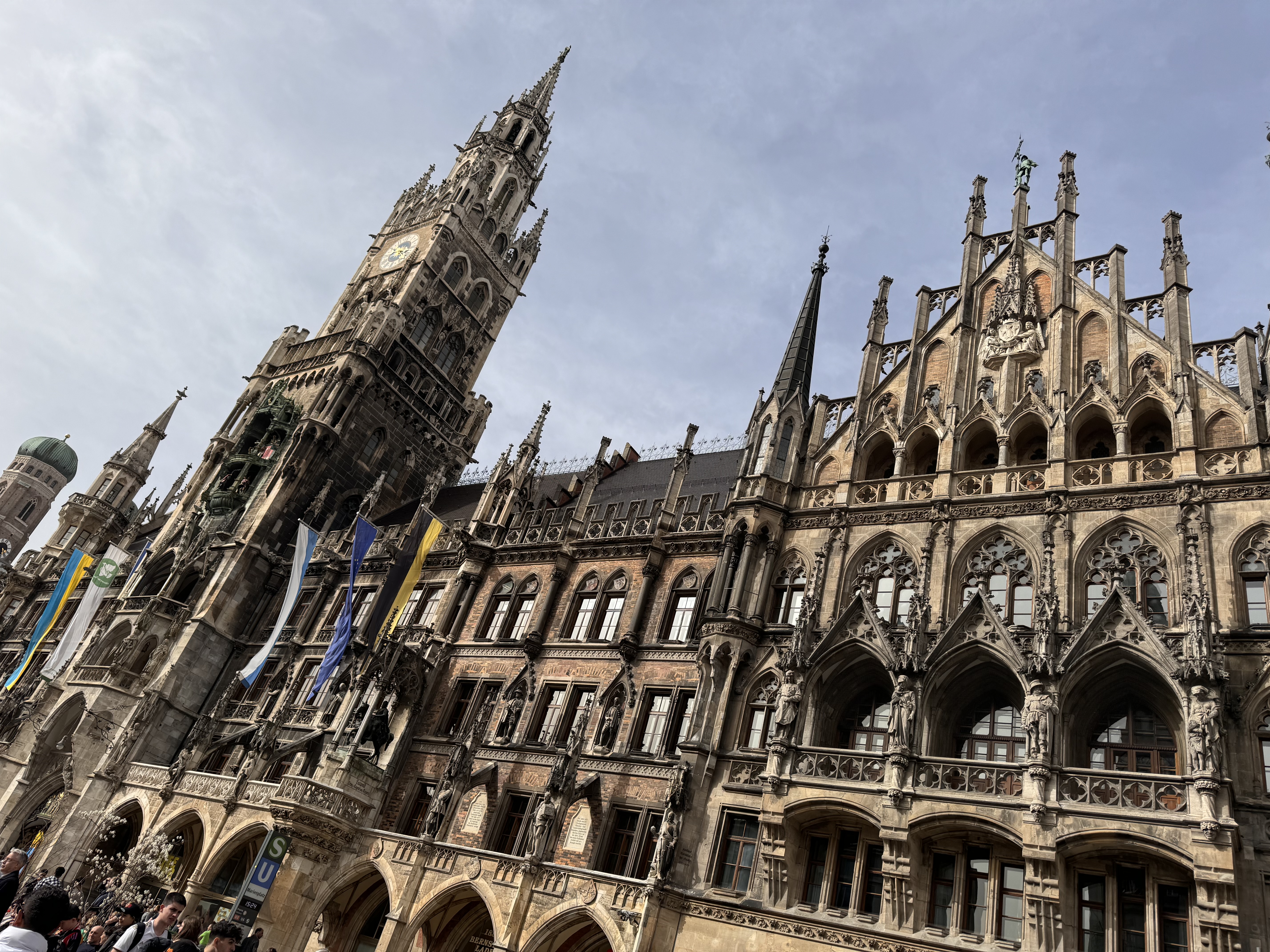
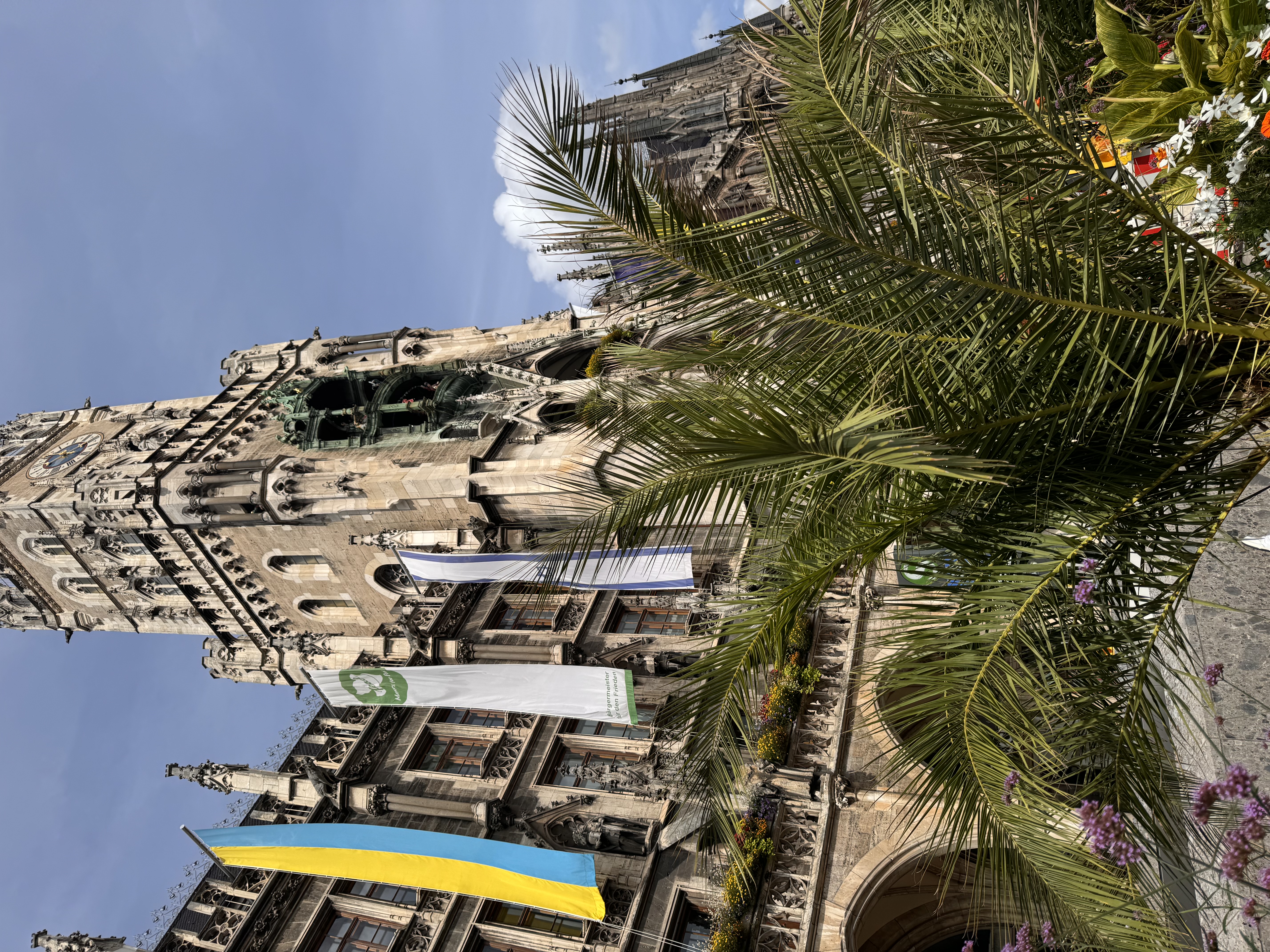
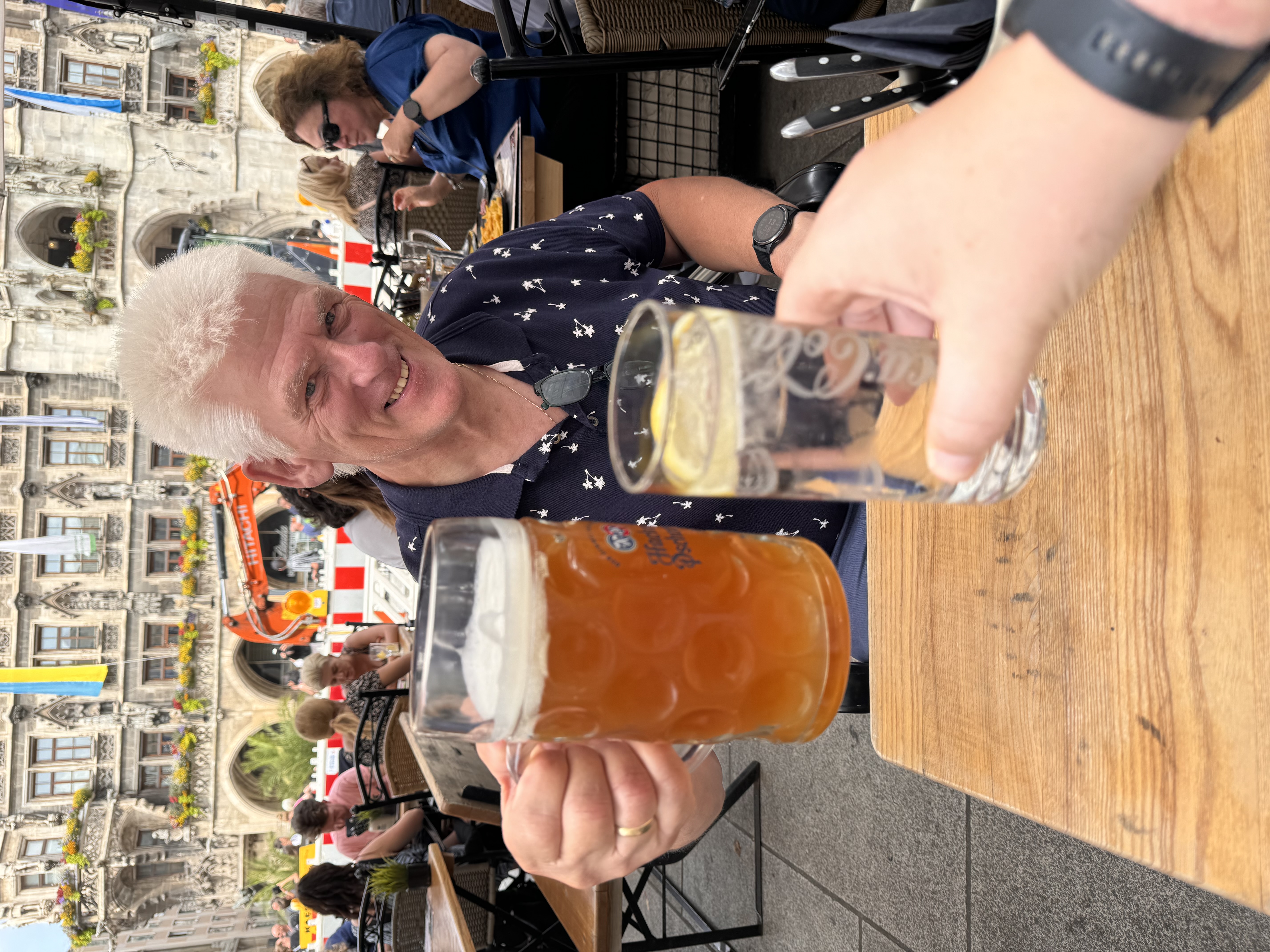
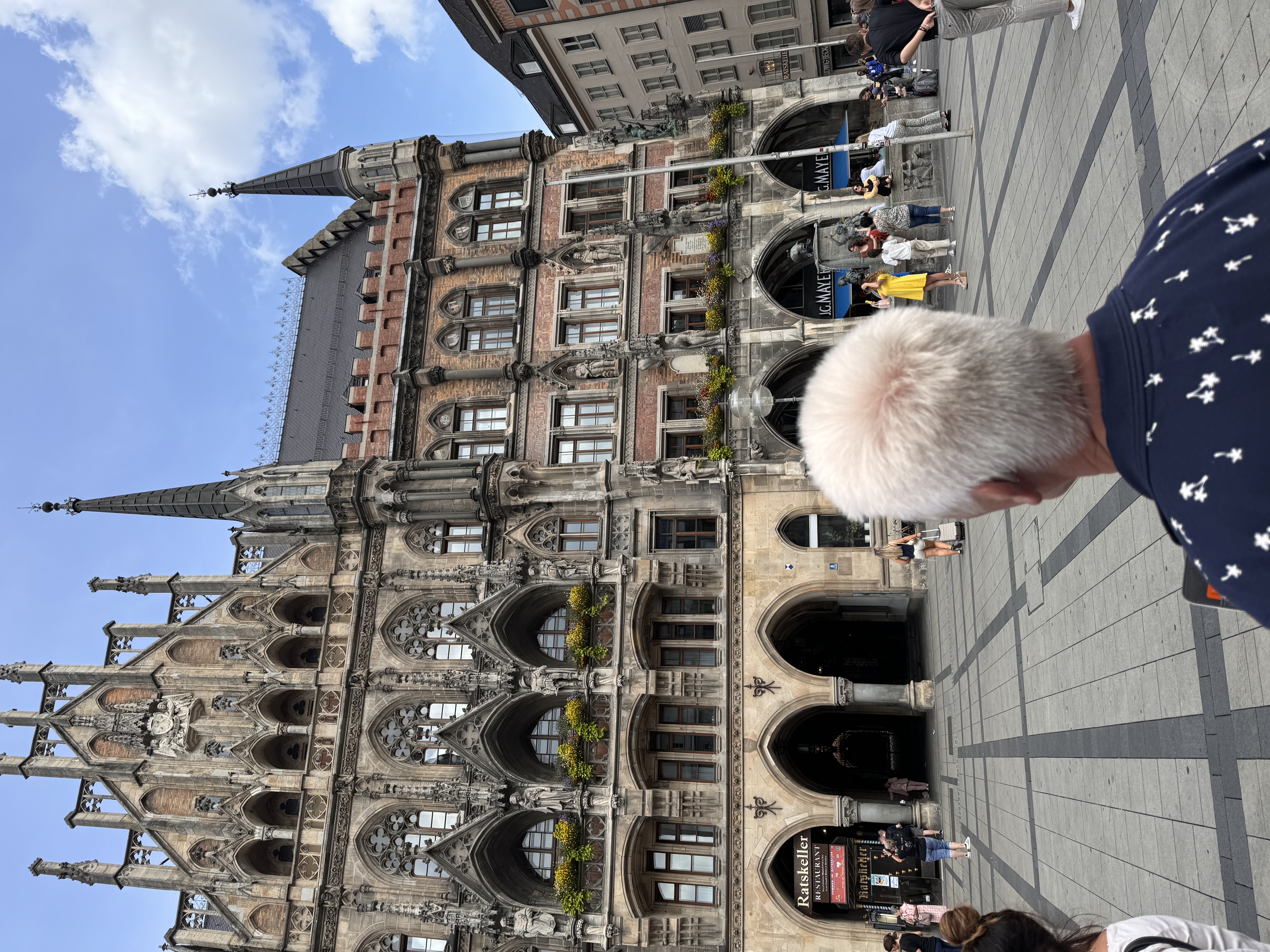
Marienplatz is Munich’s central square. It takes its name from the Mariensäule, the column topped by a statue of the Virgin Mary. The Gothic Revival New Town Hall dominates the square, with its famous Glockenspiel clock depicting historical scenes and figures. Around the square were cafés and shops, where we could stop and enjoy the atmosphere.
Frauenkirche
The Frauenkirche, or Cathedral of Our Lady, is one of
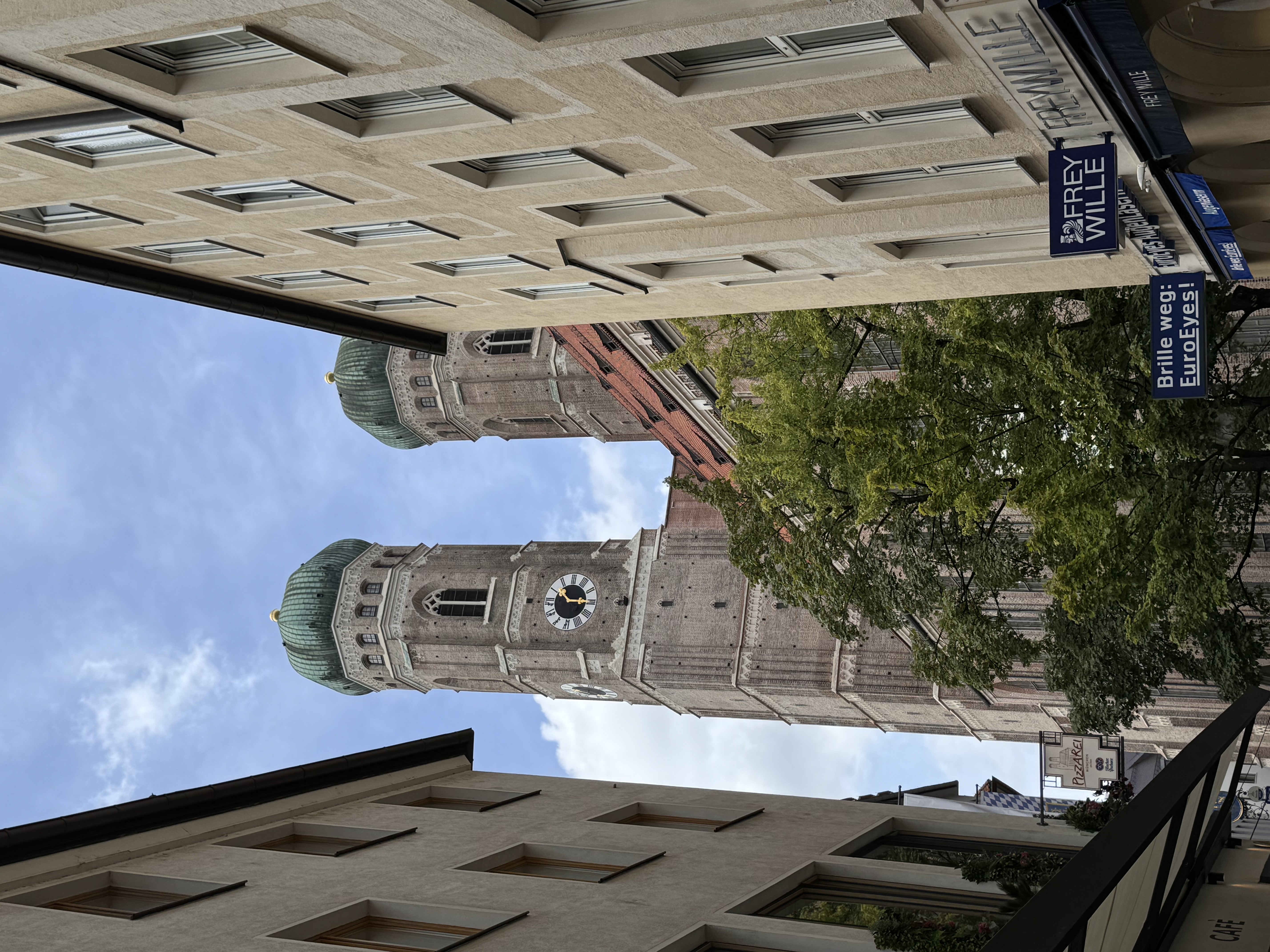
Munich’s best-known landmarks. Its two large towers with green domes are a familiar part of the skyline. Construction began in 1468 and was completed in 1488. Inside were broad, relatively plain spaces and stained-glass windows, along with the memorial to the Bavarian ruler LudwigIV.
St Peter’s Church, or Peterskirche
Near Marienplatz, Munich’s oldest church has a tower overlooking the city and an elaborate Baroque interior.
Website: Peterskirche
St Michael’s Church, or Michaelskirche
This large Renaissance church has an impressive interior and historic tombs.
Website: Michaelskirche
Heilig-Geist-Kirche
The Heilig-Geist-Kirche is a historic church near the market. Its interior has elaborate frescoes and an impressive altar. We appreciated the quiet inside after the busy streets.
Website: Heilig-Geist-Kirche
Theatinerkirche St Kajetan
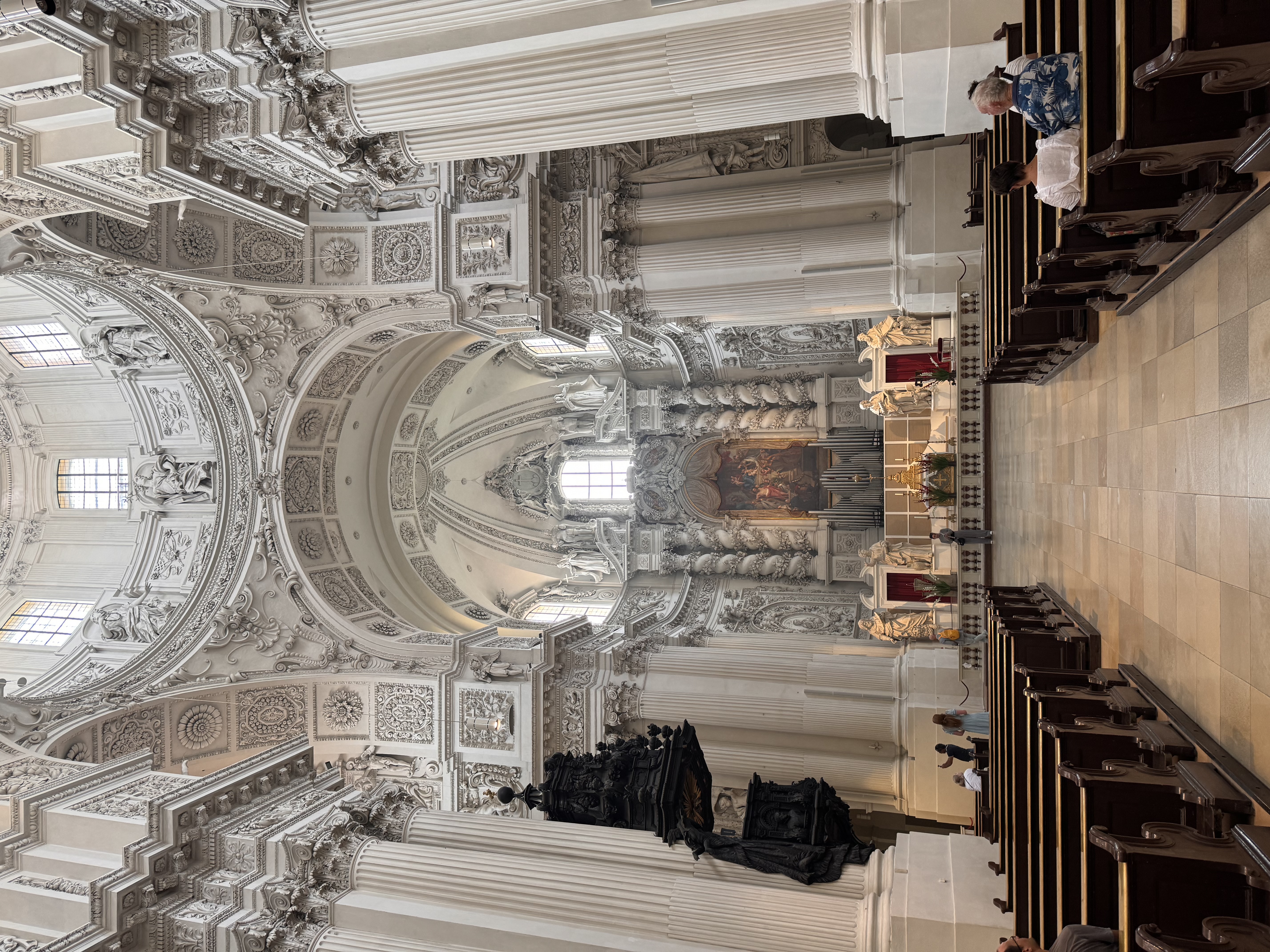
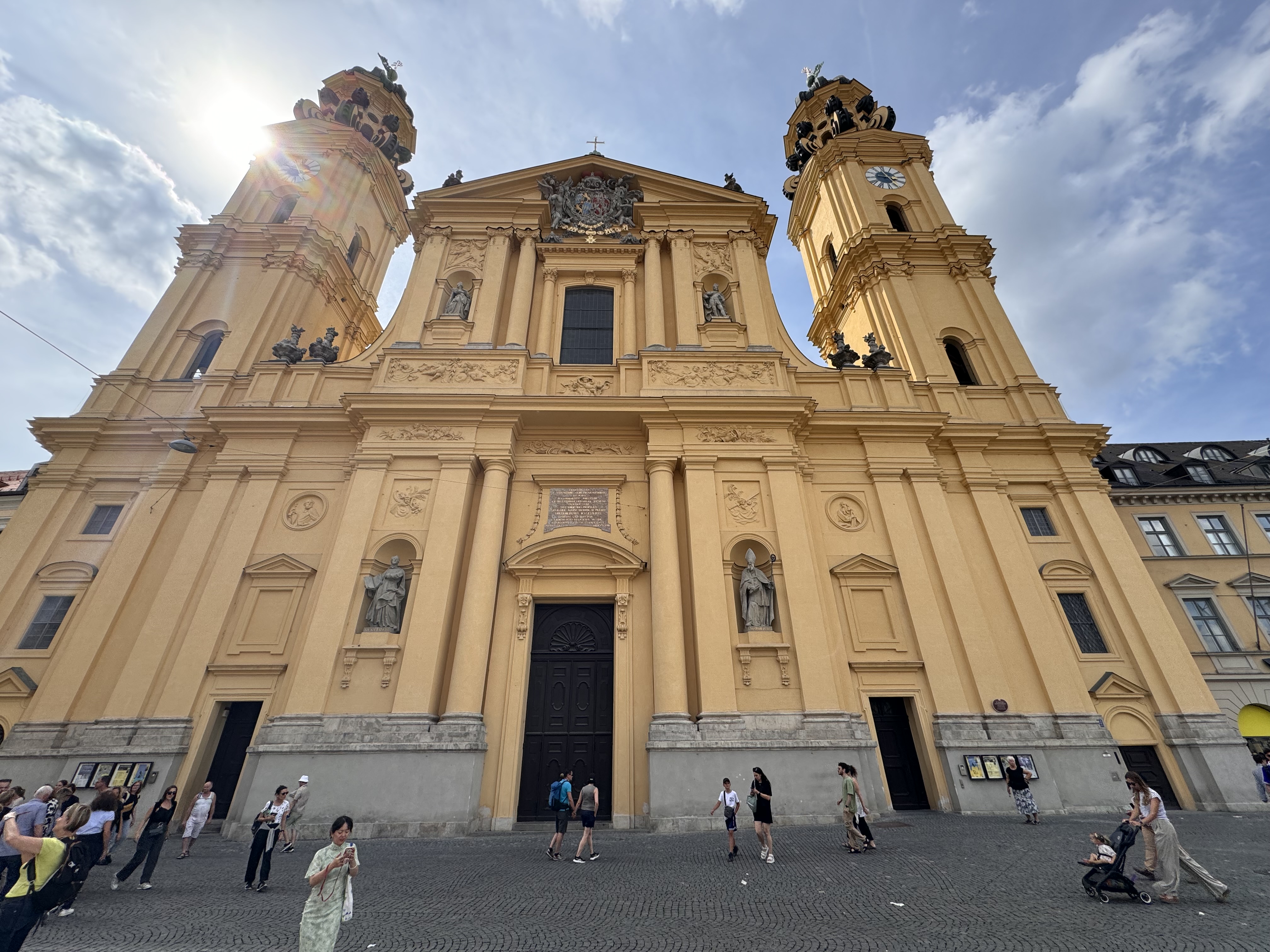
The Theatinerkirche is a Baroque church commissioned in the seventeenth century and designed initially by the Italian architect Agostino Barelli. Beyond its yellow façade is an ornate white interior with elaborate stuccowork.
Website: Theatinerkirche
History and wartime bombing
Munich was founded in the twelfth century and developed into an important centre for art and culture. Bombing in the Second World War damaged much of the city and destroyed many historic buildings. Extensive reconstruction and restoration brought many of its landmarks back.
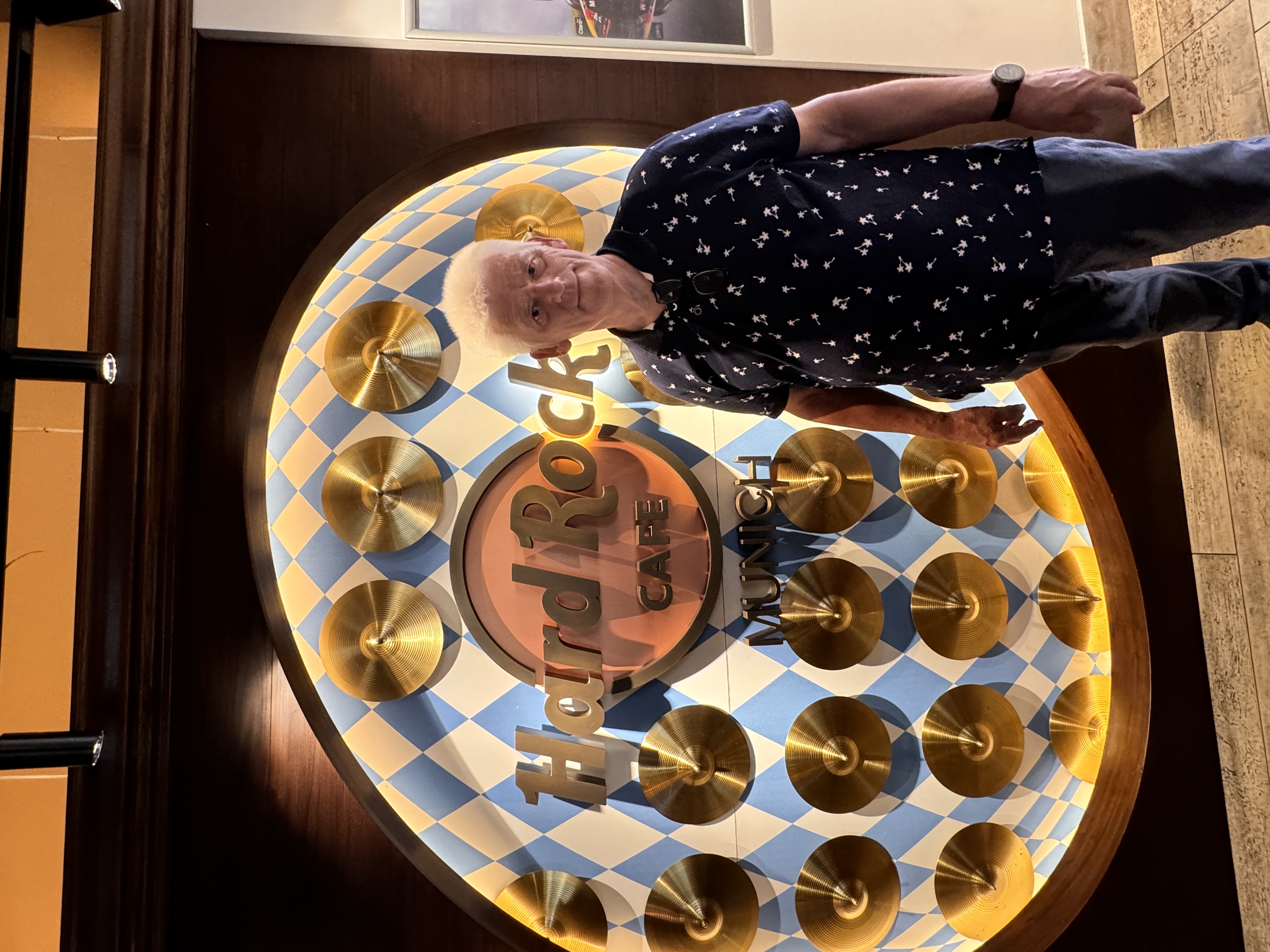
After exploring the city and having a good meal at the Hard Rock Café, we returned to our H2 Hotel Munich. It gave us a comfortable, modern base for our time in Munich. After a busy day, we were ready to relax and rest.
Things to do in Munich
1. Marienplatz: Explore the centre of Munich, watch the Glockenspiel and enjoy the square.
Website: Marienplatz
English Garden: Walk through the large city park, visit the Chinese Tower and stop for a drink in a beer garden.
Website: English Garden
Nymphenburg Palace: Explore the Baroque palace and its extensive gardens.
Website: Nymphenburg Palace
Deutsches Museum: Explore the technical museum and its extensive collection.
Website: Deutsches Museum
BMW Museum: Find out about the history and development of BMW.
Website: BMW Museum
Viktualienmarkt: Visit the busy market for fresh produce and local specialities.
Website: Viktualienmarkt
StPeter’s Church, or Peterskirche: Climb the tower for a view over the city.
Website: Peterskirche
StMichael’s Church, or Michaelskirche: Explore the Renaissance church.
Website: Michaelskirche
Heilig-Geist-Kirche: See the church’s Baroque decoration and enjoy its quiet atmosphere.
Website: Heilig-Geist-Kirche
Theatinerkirche St Kajetan: Admire the white stuccowork of this Baroque church.
Website: Theatinerkirche
We were looking forward to another day exploring this city!
 Our full travel storyGermany road trip, day 4: Eagle’s Nest
Germany road trip, day 4: Munich to the Kehlsteinhaus and on to Salzburg
We left the H2 Hotel Munich, which had been a useful base for exploring the city. Its central location and free parking made it easy to head out by car. We had a generous breakfast before leaving. The hotel had been a comfortable place to stay, with modern facilities.
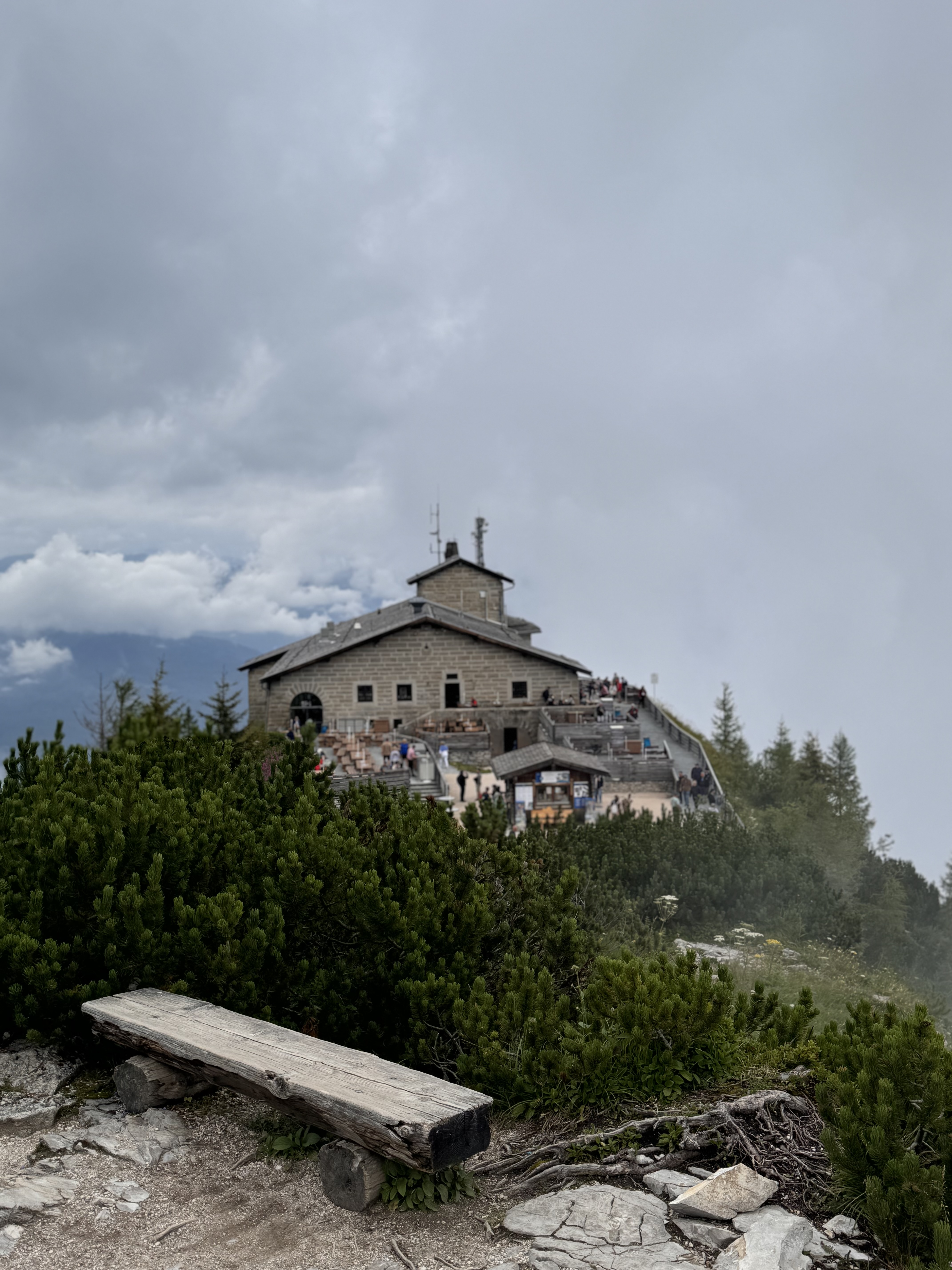
Our first destination was the Kehlsteinhaus, better known as the Eagle’s Nest. At 1,834 metres, it overlooked the Bavarian Alps and surrounding countryside.
The history of the Kehlsteinhaus
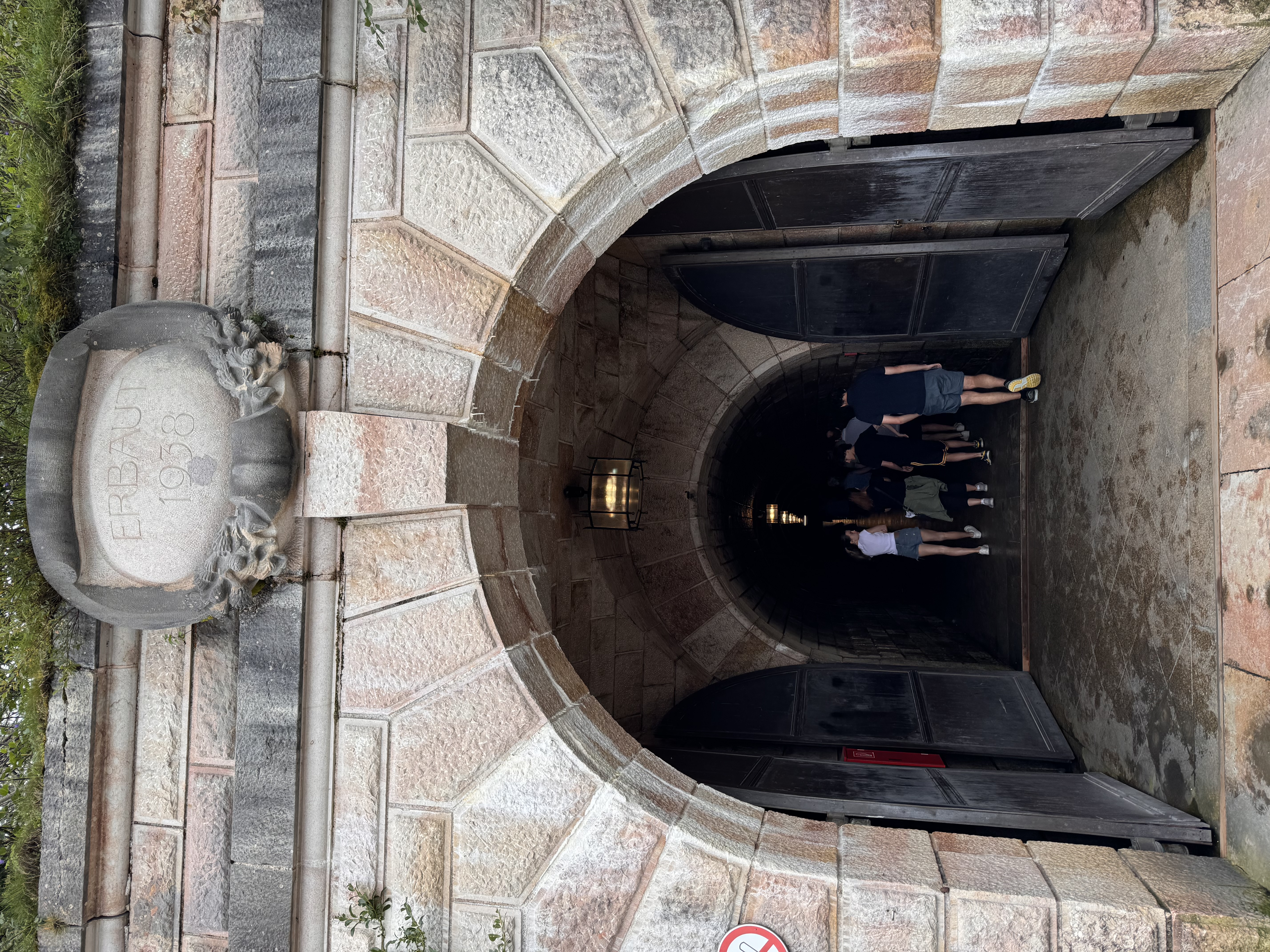
The Kehlsteinhaus was completed in 1938 as a reception building for the Nazi regime. It was not a present for Hitler’s fiftieth birthday.
Hitler rarely visited the Kehlsteinhaus. After the war, the American occupying forces took it over. It later became a visitor attraction and restaurant. Its history belongs in the wider context of the Nazi regime and the Second World War.
Our visit
At the base, we boarded the special shuttlebus. The journey took about fifteen minutes along a narrow road closed to general traffic. It wound up the mountainside, climbing almost a thousand metres. Built in the 1930 s, the access road was an impressive engineering project.
At the upper bus stop, we walked into a long tunnel cut through the mountain. It led to the original lift, which took us124metres up through the rock. We emerged in the former Nazi reception building, which was a restaurant and viewpoint at the time of our visit.
At the top
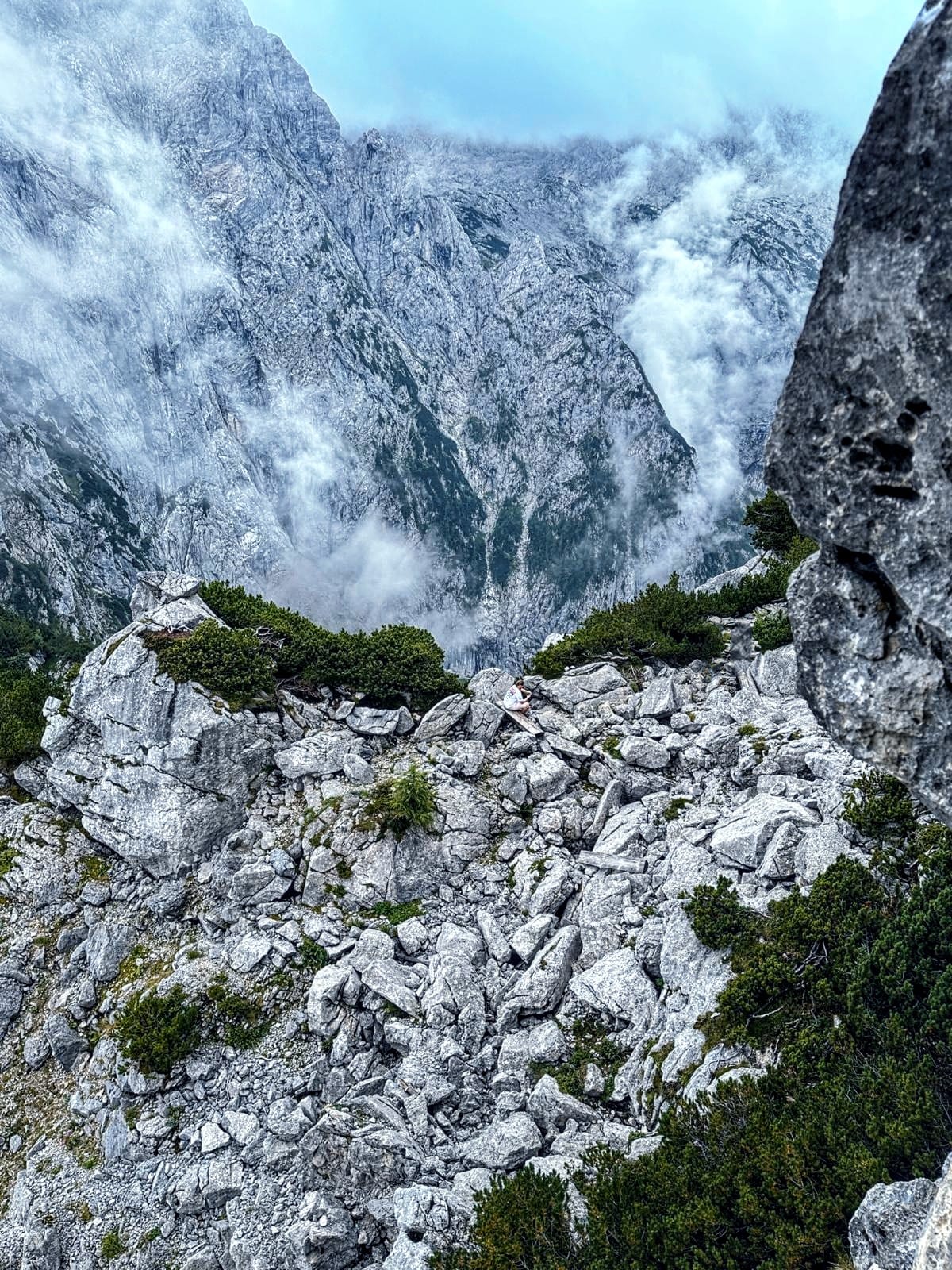
The interior did not particularly stand out to us, but the view
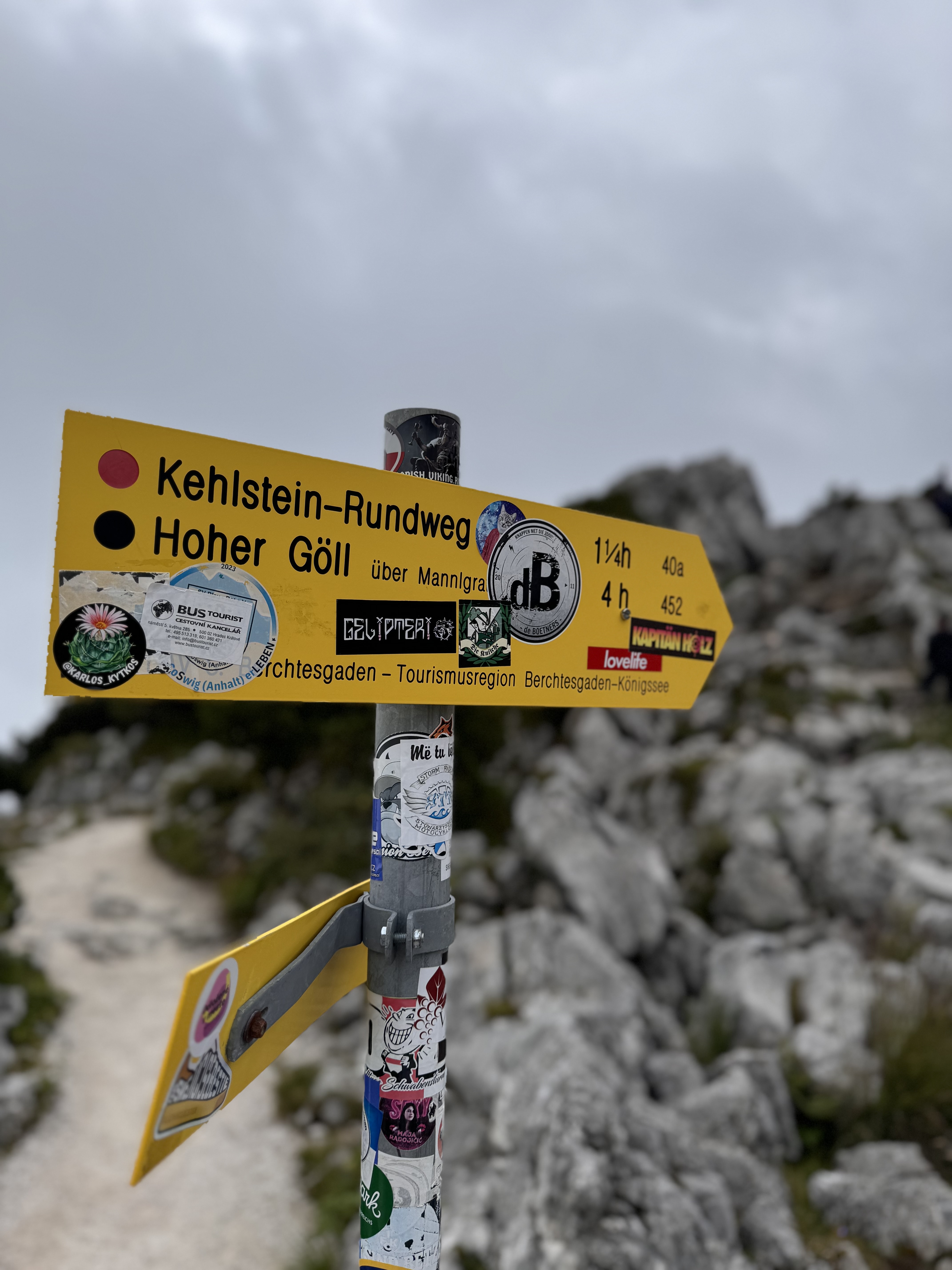
from the Eagle’s Nest was remarkable. Mountains and valleys spread out around us, with Alpine peaks along the horizon.
At the time of our visit, paths led to viewpoints around the mountain. They varied in difficulty and offered views of the surrounding countryside. We enjoyed the fresh mountain air and the walk.
The combination of the building’s history and the Alpine views made this a memorable stop for us.
Website and admission
Website: Eagle’s Nest
Admission: we recorded approximately €16 per adult for the shuttlebus and access at the time of our trip. Check the official website for the current closure and any future reopening information.
After our visit to the Eagle’s Nest, we left
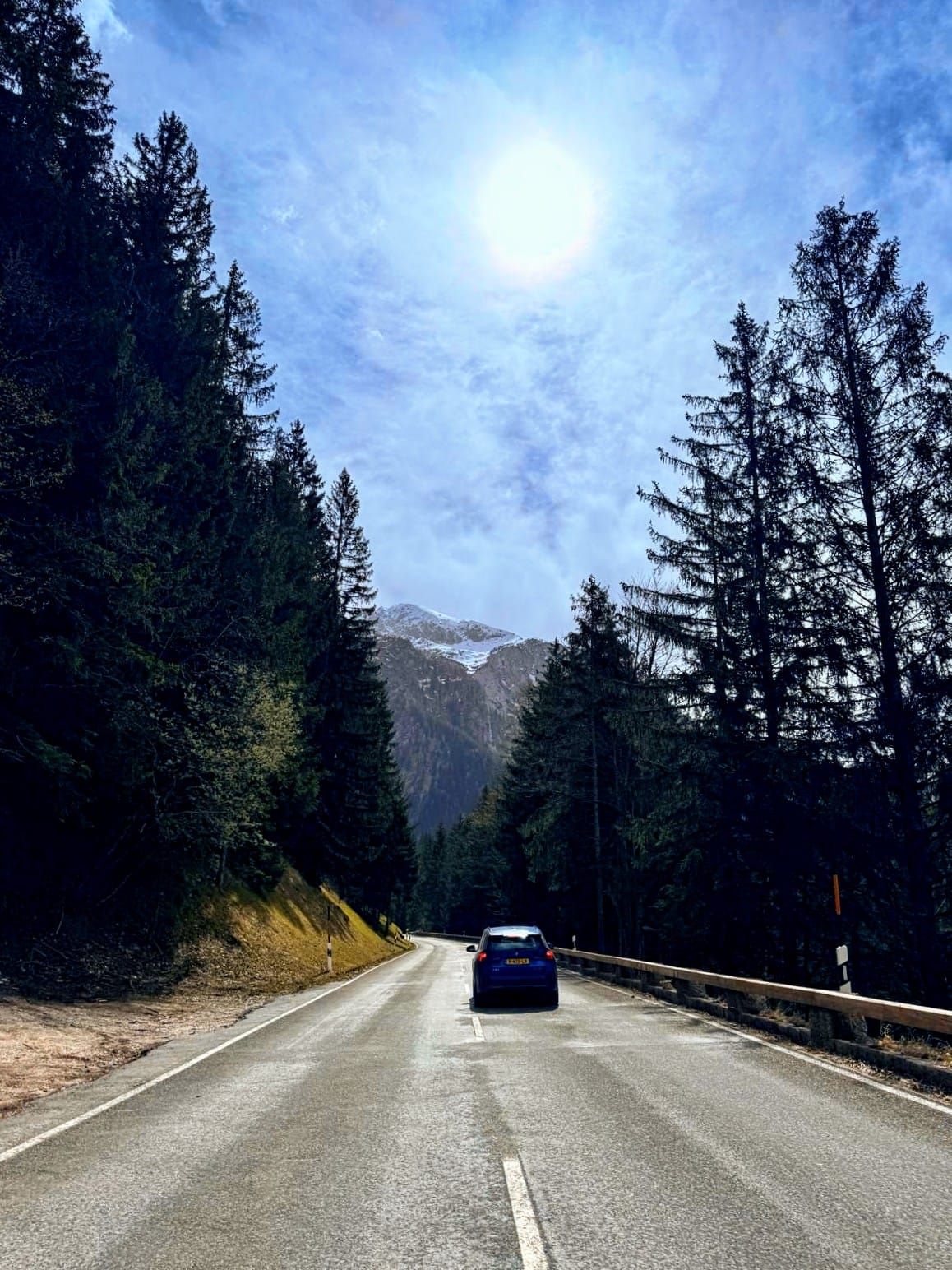
and got back into the car. Our second stop took us along the Panorama Strasse through the Alps. We drove past mountain meadows, blue lakes and high peaks. The sky was clear, with a fresh mountain breeze.
The Panorama Strasse, also known as the Berchtesgaden Panorama Route, offered views of the Bavarian and Austrian mountains. There were places to stop, take photographs and look out over the meadows, lakes and peaks.
We stopped regularly to look around and take photographs. The scenery changed as we rounded the bends and reached new viewpoints.
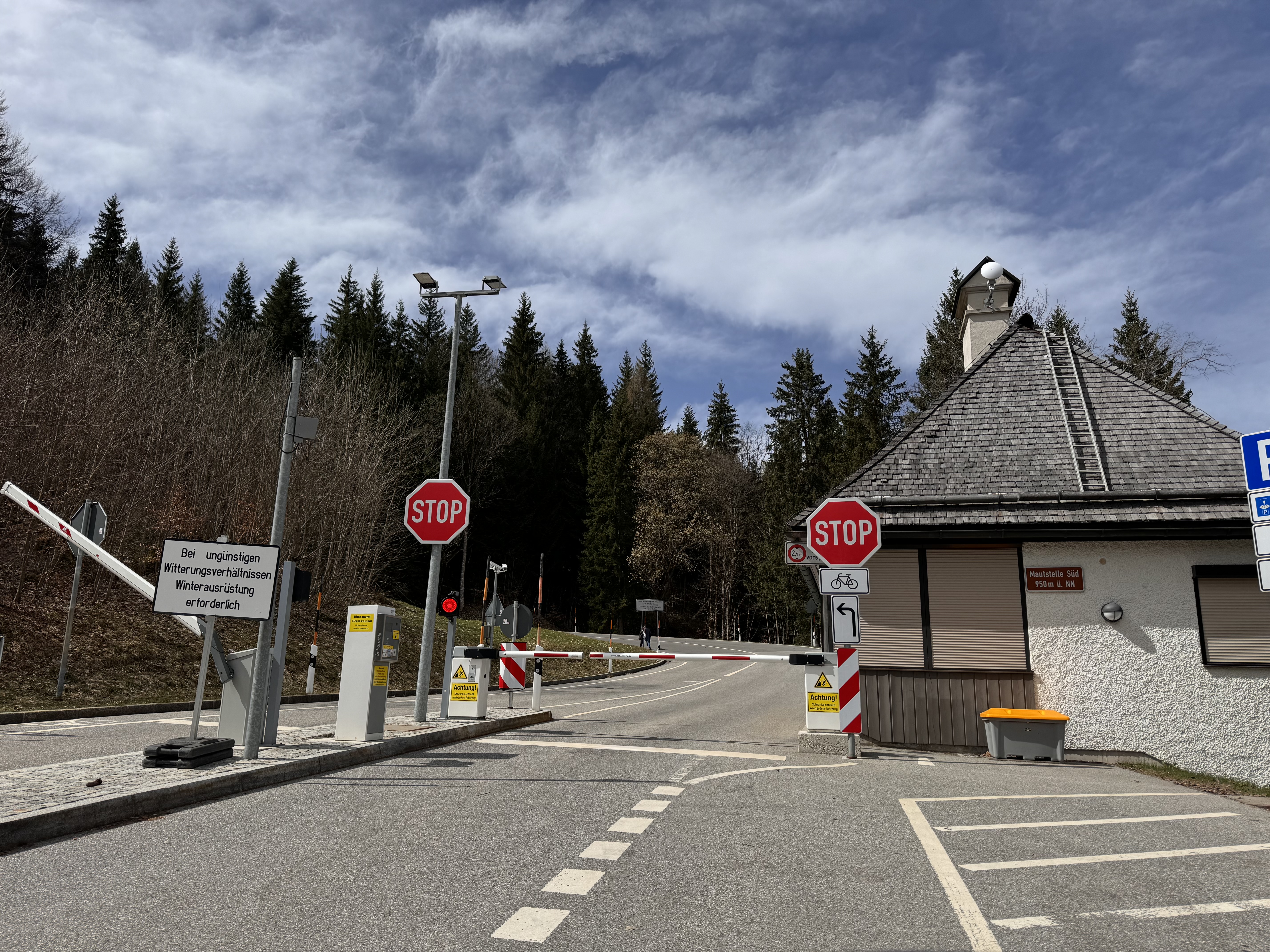
Some mountain roads charge a toll. Our original account recorded prices of around €5–€10 in the Berchtesgaden area, depending on the vehicle and route. Check current details with Berchtesgaden Tourism .
As we drove on, the outline of Salzburg appeared ahead. We were leaving the broad Alpine landscapes for a city full of culture and history.
Salzburg is known as Wolfgang Amadeus Mozart’s birthplace and as a setting for the film The Sound of Music. It combines Baroque buildings with mountain scenery and a rich cultural life.
Sights in Salzburg
Hohensalzburg Fortress
Hohensalzburg Fortress towers above the city, with views over Salzburg and the surrounding mountains. It is one of Europe’s well-preserved medieval fortresses.
Website: Hohensalzburg Fortress
Mozart’s birthplace
This historic building on Getreidegasse is where Wolfgang Amadeus Mozart was born. Its museum explores the composer’s life.
Website: Mozart’s birthplace
Mirabell Palace and Gardens
This Baroque palace has gardens known for their formal layout and colourful flowerbeds.
Website: Mirabell Palace
Getreidegasse
This historic shopping street has boutiques and traditional buildings, as well as Mozart’s birthplace.
Website: Getreidegasse
Salzburg Cathedral
Salzburg Cathedral is an imposing example of Baroque architecture, with a long history.
Website: Salzburg Cathedral
StPeter’s Abbey
One of the oldest abbeys in the German-speaking world, with a historic cemetery and Baroque library.
Website: St Peter’s Abbey
Hellbrunn Palace
Hellbrunn Palace is known for its fountains, park and gardens.
Website: Hellbrunn Palace
Salzburg Museum
This museum explores the history, art and culture of Salzburg and its surrounding region.
Website: Salzburg Museum
Mozarteum
This music institution is associated with studying and performing Mozart’s music, with concerts and lectures.
Website: Mozarteum
Kapuzinerberg
Walk up the Kapuzinerberg for a view of the city and surrounding mountains.
Website: Kapuzinerberg
After our day of culture and mountain views, we returned to Munich for a final dinner. It was our last day on this trip, and we enjoyed a meal at a local restaurant.
Two separate stays · Cologne 2017
Alongside our travel stories, these are two hotels where we stayed on separate visits to Cologne.
15–17 April 2017 · two nights
We stayed at the Wasserturm hotel in Cologne. Our two-night booking cost €234.90.
The hotel is now called Wasserturm Hotel Cologne, Curio Collection by Hilton. Its current name and facilities reflect the updated hotel; our stay was in 2017.
14–15 October 2017 · one night
On another visit to Cologne, we spent one night at Black Hotels Köln. Our booking cost €116.64.
The current official website presents it as Black Hotels Cologne, in Ehrenfeld.
These amounts are the totals of our historical bookings. Current prices and availability may differ.